The short version
- The Federal Reserve increased its benchmark interest rate to 3.9%, reflecting a broader economic shift toward higher inflation and faster growth rather than isolated policy adjustments.
- Long-term borrowing costs, including mortgage rates, remain elevated due to structural factors such as massive AI infrastructure investment and persistent supply chain bottlenecks.
- Political leaders criticize the rate hike, but economists argue that current fiscal policies and global conflicts are driving up costs regardless of central bank actions.
The Federal Reserve moved on Wednesday to raise its benchmark interest rate to 3.9%, a decision that underscores a fundamental transformation in the American economy. This adjustment marks a clear departure from the nearly fifteen-year period following the Great Recession, which was characterized by low inflation and cheap borrowing costs. Analysts indicate that this change is not merely a temporary fluctuation but rather the establishment of a new economic regime where higher prices and interest rates are the norm.
The primary driver behind this shift is a collision between robust consumer and business spending and persistent supply-side constraints. Unlike the post-2008 era, where demand was weak and businesses hoarded cash due to a lack of investment opportunities, the current landscape features aggressive capital deployment. Large technology firms are leveraging accumulated reserves and new debt to construct extensive data center networks for artificial intelligence infrastructure. This surge in investment is competing for limited resources, including specialized labor and electronic components, thereby exerting upward pressure on costs.
Global geopolitical tensions further complicate the economic picture. Conflicts such as the war in Iran have contributed to elevated oil and gas prices, adding another layer of inflationary pressure. These external shocks interact with domestic demand to create a sticky inflation environment that resists traditional cooling measures. Consequently, the low-interest-rate deals that defined the 2010s, including mortgage rates dipping into the single digits, are no longer available to consumers.
Long-term borrowing costs have risen independently of the Federal Reserve's short-term rate adjustments. The yield on the ten-year Treasury bond exceeded five percent earlier this year, a level not seen since 2023. This trend reflects investor expectations that inflation will remain elevated for an extended period. As investors demand higher returns to compensate for inflation risk, mortgage rates have followed suit, with the average thirty-year rate reaching 6.95% recently. These figures represent the highest levels in more than eighteen months, significantly impacting housing affordability.
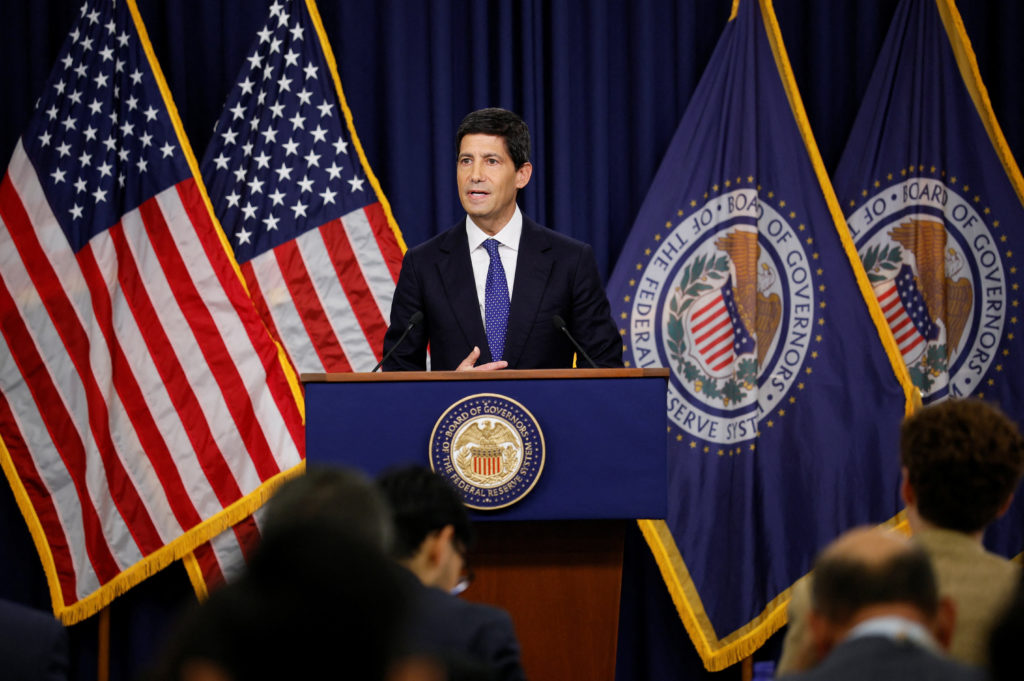
Federal Reserve Chairman Kevin Warsh highlighted this structural change during a speech at the Jackson Hole conference last month. He noted that the previous assumption of abundant idle capital and slow growth has been replaced by ever-expanding pools of investment flowing into AI-related infrastructure. This shift suggests that the economy is returning to a pre-2008 dynamic where strong investment opportunities drive up the cost of capital, rather than the post-crisis stagnation that characterized much of the previous decade.
Despite the economic expansion, the benefits are unevenly distributed. Economists describe the current growth as imbalanced, relying heavily on spending by wealthier consumers who have benefited from rising stock prices linked to AI optimism. Meanwhile, average wage growth has failed to keep pace with inflation for five consecutive months. Surveys indicate that many Americans continue to struggle with affordability, making cost of living a central concern heading into the midterm elections.
Political reactions to the rate hike have been sharp, with President Donald Trump criticizing the decision on social media and arguing that rates should be near one percent. However, experts point out a contradiction between these political desires and current policy outcomes. Policies associated with the administration, including military engagements that drive up energy prices, contribute directly to the inflationary pressures that necessitate higher interest rates.
Elizabeth Pancotti of the Groundwork Collaborative emphasized that political rhetoric cannot override market realities. When inflation persists due to fiscal and geopolitical factors, investors will continue to demand higher yields on government bonds. This dynamic ensures that borrowing costs remain elevated regardless of presidential preferences. The Federal Reserve's action is viewed by some economists as a reassuring sign of institutional independence, acting in accordance with economic data rather than political pressure.
Looking ahead, the economy appears poised for continued growth, with forecasts suggesting an annualized rate of three percent for the third quarter. However, this expansion comes at a higher cost to borrowers and consumers. The era of easy money has ended, replaced by a more volatile and expensive financial environment shaped by technological investment, global instability, and structural supply constraints.
As the Federal Reserve navigates this new landscape, its decisions will likely continue to reflect the tension between supporting growth and controlling inflation. The interplay between private sector investment in AI and public sector fiscal deficits creates a complex backdrop for monetary policy. Consumers and businesses must now adapt to an economic reality where capital is scarcer and more expensive than it has been for nearly two decades.
Sources behind this briefing
Go to the original reporting
- PBS NewsHour↗Federal Reserve rate hike reflects new world of sticky inflation and faster growth

