The short version
- Federal prosecutors in Los Angeles have charged six lawful permanent residents with making false statements on naturalization applications related to voter registration.
- The arrests coincide with a rejected Department of Justice lawsuit seeking to invalidate approximately 20,000 ballots in California ahead of the midterm elections.
- Critics and legal experts argue the timing and methodology undermine election integrity, while officials note that noncitizen voting is exceptionally rare and often stems from administrative confusion.
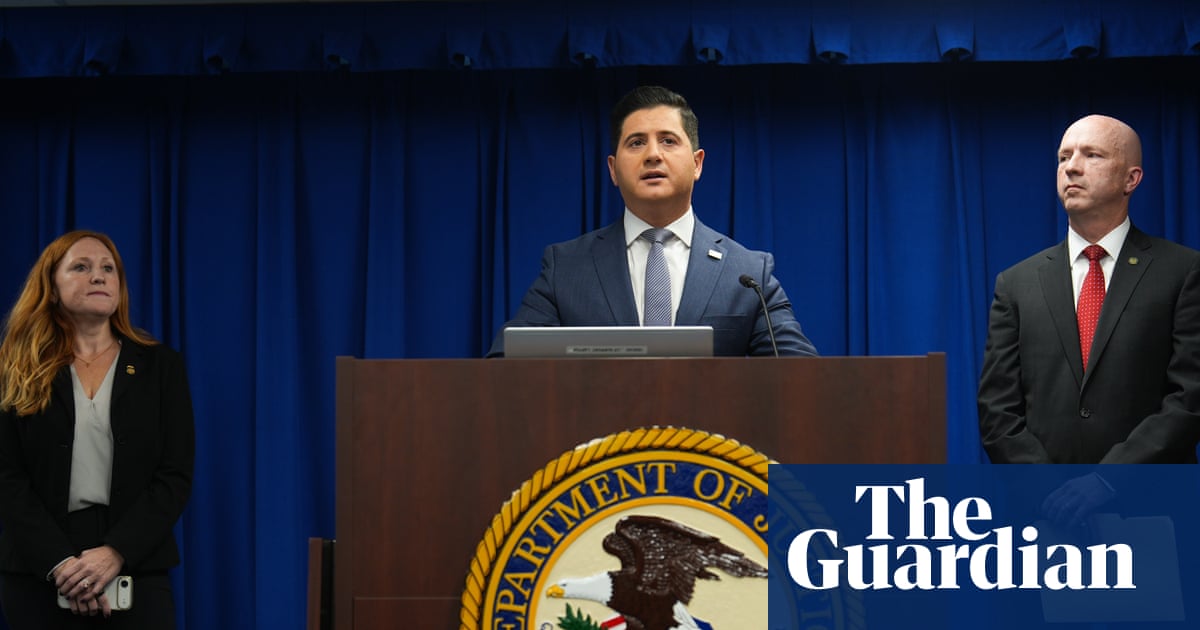
The United States Department of Justice has intensified its scrutiny of California’s electoral processes by charging six additional individuals with alleged voter fraud offenses. This development marks a significant escalation in the federal government’s campaign against state election administration just days before the midterm elections. Bill Essayli, the top federal prosecutor in Los Angeles and a close associate of the president, announced the charges on Monday. The move follows a series of unsuccessful legal attempts by the Department to compel state officials to discard roughly 20,000 ballots that federal authorities suspect may have been cast by noncitizens.
The six newly charged defendants are all lawful permanent residents, commonly known as green card holders. While they possess legal status to live and work in the United States, they are prohibited from voting in federal elections. According to criminal complaints filed in federal court, each individual faces a single charge of making false statements on a naturalization application. The allegations assert that these individuals unlawfully registered to vote and subsequently denied having done so when applying for citizenship. Prosecutors indicated that the defendants cast ballots in recent years, though they are not facing specific charges related to the act of voting itself.
Five of the six accused have already been taken into custody. The group includes immigrants originally from Mexico, Israel, the Philippines, Canada, and Iran. One defendant, a 52-year-old Canadian national who has resided in the United States for over four decades, is accused of voting unlawfully on two occasions before attempting to cancel his registration. Another defendant, a 43-year-old from the Philippines who arrived in the country in 1992, faces accusations of voting multiple times since 2020. The maximum penalty for the charges is five years in prison. As of the announcement, it remained unclear whether any of the defendants had secured legal representation.
These prosecutions are part of a broader federal initiative that has already resulted in similar charges against 28 other individuals across California in the previous month. The Department of Justice has utilized high-profile tactics to publicize these cases, including the dramatic on-camera arrest of a 72-year-old defendant last month. Footage of that arrest was edited into a promotional video released by the agency. More recently, media outlets documented pre-dawn arrests on quiet residential streets, with one report highlighting an individual who appeared to be an Amazon worker being handcuffed on a sidewalk. Critics have condemned this approach as theatrical and designed to create a perception of widespread fraud where little exists.
The legal backdrop for these charges is a contentious lawsuit filed by the Department of Justice seeking to force California election officials to set aside approximately 20,000 ballots. Federal prosecutors argued that these votes might belong to noncitizens who fraudulently registered and should not be counted until citizenship status could be verified. State election leaders have strongly resisted this demand, characterizing the federal list and methodology as unreliable. They warned that complying with such requests in the middle of an election cycle would be logistically unfeasible and risk disenfranchising eligible U.S. citizens.
Judicial authorities have largely sided with state officials in this dispute. Multiple judges have rebuffed the Department’s efforts, ruling them unconstitutional and a threat to democratic processes. On Monday, the U.S. Supreme Court rejected the Trump administration’s appeals regarding the ballot issue. Despite these legal setbacks, federal prosecutors continue to pursue individual cases, arguing that the arrests validate their broader concerns about voter roll integrity. Essayli stated that the newly charged defendants were included on the federal list of 20,000 potentially fraudulent voters, using these cases to bolster the argument for stopping certain ballots from being counted.
However, independent analysis challenges the accuracy of the federal government’s data. An immigrants’ rights group, which has sued the government over its use of federal immigration data to challenge voter eligibility, analyzed the list in question. Their filing revealed that more than 40 percent of the people flagged as potentially fraudulent voters could not be found on California’s official voter rolls. County election officials who received threatening letters from the Department demanding they set aside specific ballots have also reported that the lists provided were riddled with errors. The 20,000 names in dispute represent a minuscule fraction of California’s more than 23 million registered voters.
Election experts emphasize that voting by noncitizens is extremely rare. When such incidents do occur, they are typically attributed to confusion rather than malicious intent. Legal scholars and former prosecutors have expressed concern over the timing of these prosecutions, noting that federal authorities traditionally avoid taking steps that could be perceived as politically motivated or interfering with upcoming races. The decision to pursue these cases so close to an election has drawn criticism from both defense attorneys and civil rights advocates, who argue it undermines public confidence in the electoral system.
The political ramifications of this dispute are significant. Democratic officials have accused the Department of Justice of attempting to sow doubt about the legitimacy of the election results and creating a false narrative regarding the prevalence of voter fraud. The administration’s strategy appears aimed at leveraging individual prosecutions to support broader legal challenges against state election procedures. As the midterm elections approach, the tension between federal enforcement actions and state electoral management remains a focal point of national political discourse.
Looking ahead, the outcome of these individual cases may have limited immediate impact on the election results, given the Supreme Court’s rejection of the broader ballot-setting-aside demand. However, the precedent set by these prosecutions could influence future interactions between federal and state authorities regarding election administration. The Department of Justice has signaled its intent to continue monitoring voter rolls for irregularities, while state officials remain committed to defending their processes against what they view as unfounded interference. The coming weeks will likely see continued legal maneuvering and public debate over the balance between election security and access.
Sources behind this briefing
Go to the original reporting
- The Guardian US Politics↗Trump’s DoJ charges six more people in ‘voter fraud’ crackdown in California