The short version
- Judge Paul Engelmayer denied Maxwell’s petition for relief, characterizing her arguments as procedurally barred and based on speculation or falsehoods.
- The court ruled that recently released government documents did not exonerate Maxwell but instead reinforced the validity of her original conviction.
- Political debate persists over a potential presidential pardon, with the Senate opposing such action and Maxwell’s legal team previously linking cooperation to clemency.
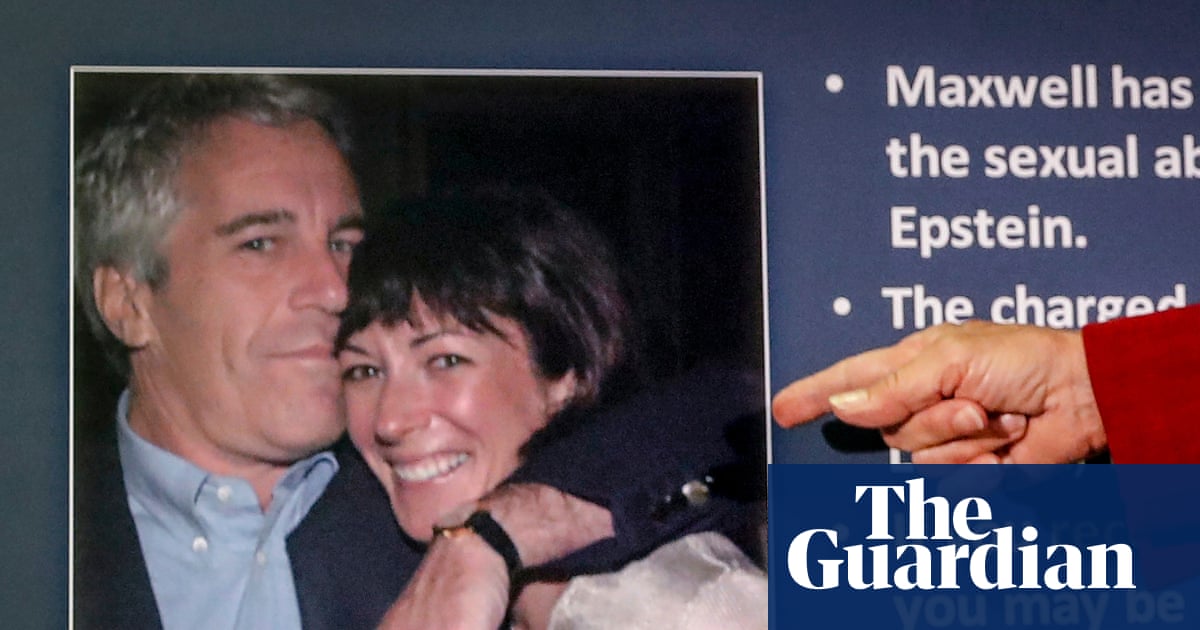
A federal judge in New York has decisively rejected Ghislaine Maxwell’s latest legal effort to overturn her conviction for sex trafficking, marking another significant setback in her prolonged campaign to avoid serving a twenty-year prison sentence. US District Judge Paul Engelmayer issued a comprehensive sixty-seven-page decision dismissing the petition as fundamentally without merit. The ruling underscores the judicial system’s firm stance on the finality of Maxwell’s 2021 verdict, which found her guilty of conspiring with the late financier Jeffrey Epstein to recruit and groom underage girls for sexual abuse.
Judge Engelmayer characterized Maxwell’s claims as demonstrably meritless, noting that they relied heavily on speculation, distortions, and outright falsehoods. The court determined that the vast majority of the arguments presented in the petition were procedurally barred because Maxwell had either already raised and lost these same points during her direct appeal or failed to raise them when she had the opportunity. This procedural dismissal effectively closes the door on many of the technical challenges Maxwell’s defense team has attempted to use to undermine the original trial’s integrity.
Central to Maxwell’s recent petition was the assertion that newly released documents from the US Department of Justice exonerated her or revealed hidden evidence that should have been presented at trial. However, Judge Engelmayer explicitly rejected this interpretation. He stated that the multimillion-page document dump, which occurred under the Trump administration, did not support Maxwell’s case. Instead, the judge found that the released materials either incriminated her further or reinforced the correctness of the legal rulings made during her initial prosecution. The court concluded that no new facts presented by Maxwell had any potential to disturb the outcome of the trial.
Maxwell’s petition also challenged the composition of the jury and the handling of evidence, including allegations regarding a juror who later revealed he was a victim of sexual abuse. She argued that her constitutional rights were violated in multiple respects during the proceedings. Despite these claims, Judge Engelmayer described the petition as lengthy and rambling, noting that it fell very far from the mark. The judge emphasized that the overwhelming testimonial and documentary evidence presented at trial conclusively established her guilt, leaving little room for doubt regarding the conviction’s validity.
The ruling serves as a stark warning against further legal maneuvering. Judge Engelmayer cautioned that any additional appeals would not be viewed in good faith by the court. This stance reflects a broader judicial frustration with what is perceived as repetitive and unfounded litigation. Maxwell, who is currently serving her sentence at a minimum-security prison camp in Bryan, Texas, has faced numerous hurdles in her attempts to vacate the conviction, including a previous rejection by the US Supreme Court, which declined to hear her appeal regarding a non-prosecution agreement between federal prosecutors and Epstein.
Beyond the courtroom, Maxwell’s case remains entangled in political controversy. She previously appeared before the US House Oversight Committee in February, where she invoked her Fifth Amendment right against self-incrimination and refused to answer questions about her activities or potential co-conspirators. Her attorney stated at the time that Maxwell would only cooperate if granted clemency by President Donald Trump. Republican Committee Chairman James Comer expressed disappointment with her refusal to testify, noting that lawmakers had significant questions regarding the crimes committed by Maxwell and Epstein.
The prospect of a presidential pardon has become a focal point of political debate. While President Trump previously stated he would consider any petition for clemency but claimed ignorance regarding the specifics, the US Senate recently passed a resolution declaring its opposition to such an action. This legislative move highlights the deep divisions surrounding Maxwell’s case and the broader implications of executive clemency in high-profile criminal matters. The Senate’s stance adds another layer of complexity to any potential future requests for presidential intervention.
As the legal avenues for appeal narrow, Maxwell’s situation appears increasingly static. The rejection of her latest petition reinforces the finality of her conviction and sentence. While political discussions about pardons may continue, the judicial system has made it clear that further legal challenges based on the same grounds will likely be dismissed. The case remains a prominent example of the intersection between high-profile criminal justice proceedings and political influence, with the courts maintaining a strict boundary against what they view as frivolous litigation.
Sources behind this briefing
Go to the original reporting
- The Guardian US↗Judge rejects Ghislaine Maxwell’s sex-trafficking appeal, calling claims ‘demonstrably meritless’
- BBC News↗US judge rejects Ghislaine Maxwell's 'frivolous' appeal against conviction

