The short version
- Judge Timothy Kelly issued a preliminary injunction preventing the White House from enforcing the revocation of press credentials for three news organizations.
- The ruling cites significant legal hurdles for the administration, including lack of prior notice and evidence that the ban was motivated by editorial content rather than security concerns.
- While access to the main complex is restored, disputes remain over whether journalists can cover specific presidential activities like travel on Air Force One.
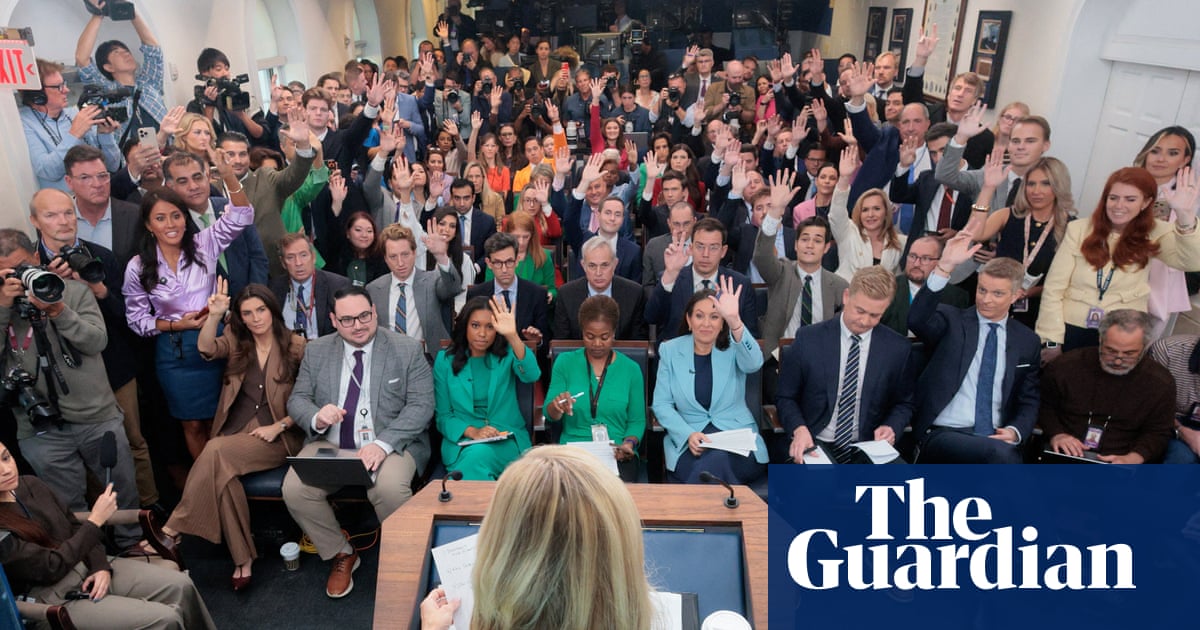
A federal district court judge has ordered the White House to maintain press credentials for journalists from CNN, MS Now, and Politico, effectively blocking an administration effort to bar these outlets from the executive branch headquarters. The ruling, issued by Judge Timothy Kelly on Tuesday, grants a preliminary injunction in a lawsuit filed by the media coalition. This legal maneuver ensures that the news organizations retain their access rights while the broader constitutional challenge proceeds through the judicial system, a process that could extend for several months.
The conflict originated in mid-September when the Trump administration abruptly revoked the hard pass credentials held by employees of the three outlets. The White House justified the exclusion by citing what it characterized as constant reporting of false information. However, the legal challenge argues that this action constitutes a violation of both due process protections and First Amendment guarantees against viewpoint-based discrimination in government access to the press.
Judge Kelly’s decision highlights significant procedural failures by the administration. The court noted that the White House failed to provide advance notice to the affected media companies before cutting off their building access. Although letters were eventually sent informing the organizations of the ban, this notification occurred after access had already been denied. This post-hoc communication violates established legal precedents requiring proper notice before revoking privileges that have previously been granted.
The judge indicated that the plaintiffs are likely to succeed on multiple legal fronts, including claims related to due process and two distinct First Amendment arguments. Central to the ruling is the principle that while the government is not obligated to provide press access, it cannot withdraw such access once granted if the motivation is editorial or based on the viewpoint expressed by the journalists. The court found that the administration’s actions appeared designed to alter reporting rather than address legitimate security concerns.
During hearings in late September and early October, legal arguments focused heavily on the intent behind the credential revocations. Theodore J. Boutrous, representing the media plaintiffs, pointed to recent public comments by President Trump as evidence of improper motive. The president had stated in an interview that the bans were explicitly intended to punish reporting he disliked and to influence how journalists covered his administration. Judge Kelly agreed that these admissions strengthened the case for viewpoint discrimination.
The judge wrote that the president’s own statements suggested an intent to deter ordinary reporters from continuing their previous coverage styles. This chilling effect, according to the court, is sufficient to establish a violation of constitutional protections. The ruling emphasizes that government actors cannot use access privileges as leverage to shape news content or silence critical voices without facing substantial legal scrutiny.
Despite the temporary restraining order issued in late September, tensions persisted regarding the scope of allowed activities. While the White House generally complied with restoring basic building access, journalists from CNN and Politico reported being excluded from pool duties covering specific presidential movements. The administration interpreted the earlier court order as requiring only general complex access, not entry to restricted areas like Air Force One or the Oval Office during daily briefings.
The preliminary injunction now requires the White House to refrain from executing or enforcing the September decision to revoke credentials. This maintains the status quo established by the initial temporary restraining order but extends it for the duration of the litigation. The court required the media plaintiffs to post a nominal bond of one dollar, a procedural formality that underscores the strength of their legal position.
Legal representatives for the news organizations hailed the decision as a vindication of press freedom principles. They argued that the administration’s actions represented an unconstitutional attempt to control the narrative by punishing unfavorable coverage. The ruling sets a significant precedent for how future administrations may handle disputes with media outlets, reinforcing the requirement that access revocations must be based on neutral, non-editorial criteria.
As the lawsuit moves forward, the focus will shift to whether the ban can be permanently overturned or if alternative remedies are necessary. The administration faces an uphill battle given the judge’s explicit findings regarding notice deficiencies and viewpoint discrimination. The outcome of this case could have lasting implications for the relationship between the executive branch and the press corps covering federal government operations.
Sources behind this briefing
Go to the original reporting
- The Guardian US Politics↗Judge extends White House access to banned media outlets CNN, MS Now and Politico