The short version
- U.S. District Judge Timothy Kelly issued a preliminary injunction preventing the Trump administration from enforcing bans on reporters from CNN, MS NOW, and Politico.
- The ruling cites likely success in the media outlets' claims regarding First Amendment free speech rights and Fifth Amendment due process protections.
- Judge Kelly noted that the administration failed to provide advance notice before revoking credentials and offered national security justifications only after the fact.
A federal judge has extended a block on the Trump administration’s effort to ban journalists from CNN, MS NOW, and Politico from entering the White House. U.S. District Judge Timothy Kelly issued a preliminary injunction on Tuesday, preserving the status quo for the affected reporters while their lawsuit proceeds. The decision marks a significant legal setback for the executive branch in an ongoing dispute over press access and editorial independence.
The ruling comes after a temporary restraining order, initially granted in late September, was set to expire. Judge Kelly determined that the three news organizations are likely to succeed in their constitutional claims. Specifically, he found merit in their arguments that the revocation of their hard pass credentials violated both free speech protections and due process requirements. The injunction ensures that these journalists can continue to cover the administration without interruption during the pending litigation.
Central to the judge’s reasoning was the administration’s failure to provide adequate notice before stripping the reporters of their access. Kelly noted that the White House did not warn the media outlets that their credentials were at risk prior to President Trump’s public announcement of the bans in mid-September. This lack of procedural fairness, according to the court, constitutes a significant hurdle for the government’s defense. The judge emphasized that binding precedent requires notice before such privileges can be revoked.
The administration had argued that access to the White House is a privilege rather than a right, allowing the president to restrict entry to protect national security and combat misinformation. However, Judge Kelly rejected these justifications, observing that they appeared to be formulated after the bans were already implemented. He stated that the government’s true aim seemed less about security concerns and more about punishing unfavorable coverage. The court found no evidence supporting the claim that the reporters had unlawfully disclosed classified information.
Attorneys for the media organizations highlighted statements made by President Trump in recent interviews as damaging to the administration’s case. They pointed to remarks suggesting the bans were intended to alter reporting content and punish critical journalism. Judge Kelly agreed, writing that the president’s own comments indicated an intent to deter independent reporting. This viewpoint-based motivation, the court found, undermines any claim of neutral administrative action.
The impact of the ban extended beyond individual reporters, affecting a total of 78 journalists across the three outlets. Hard passes allow for long-term access to the White House campus without requiring prior permission for each visit. Without these credentials, the organizations argued, their ability to observe government activities firsthand and report immediately would be severely compromised. The judge acknowledged that restricting this access harms not only the specific plaintiffs but also the broader public interest in informed governance.
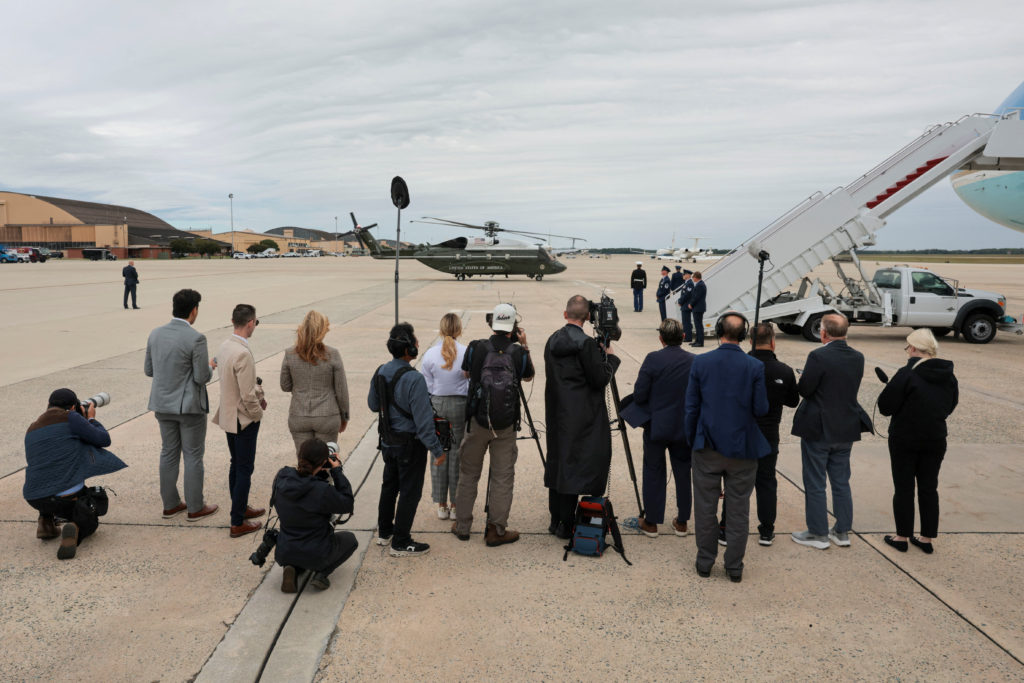
Despite the temporary nature of the initial restraining order, tensions remained high between the White House press office and the affected media staff. Some journalists reported being excluded from pool duties on Air Force One or in the Oval Office, even while allowed entry to the main complex. The administration had interpreted the earlier court order narrowly, limiting access to general grounds rather than specific presidential activities. The new injunction aims to clarify and enforce full access rights during the lawsuit.
The government requested that Judge Kelly suspend his decision pending an appeal, but this motion was denied. The judge stated that the request did not justify halting the preliminary injunction. With the status quo preserved indefinitely for the duration of the case, the legal battle is expected to continue for months. The outcome will likely set important precedents regarding presidential authority over press credentials and the limits of viewpoint discrimination in government spaces.
Legal representatives for CNN, MS NOW, and Politico hailed the ruling as a victory for constitutional principles. They argued that the ban was unprecedented and explicitly unconstitutional under both the First and Fifth Amendments. The case underscores the growing friction between the current administration and the press corps, raising questions about the future of media access in Washington. As the litigation moves forward, the decision reinforces judicial oversight of executive actions affecting journalistic freedom.
Sources behind this briefing
Go to the original reporting
- PBS NewsHour↗Judge extends order blocking Trump from banning CNN, MS NOW and Politico reporters from White House
- The Guardian Business↗Judge extends White House access to banned media outlets CNN, MS Now and Politico