The short version
- A joint request from prosecutors and defense counsel has scheduled an unexpected federal hearing for Luigi Mangione.
- The development fuels speculation that a plea agreement in the federal stalking case may be under discussion.
- State officials have warned that a federal resolution could undermine the pursuit of justice in the separate murder prosecution.
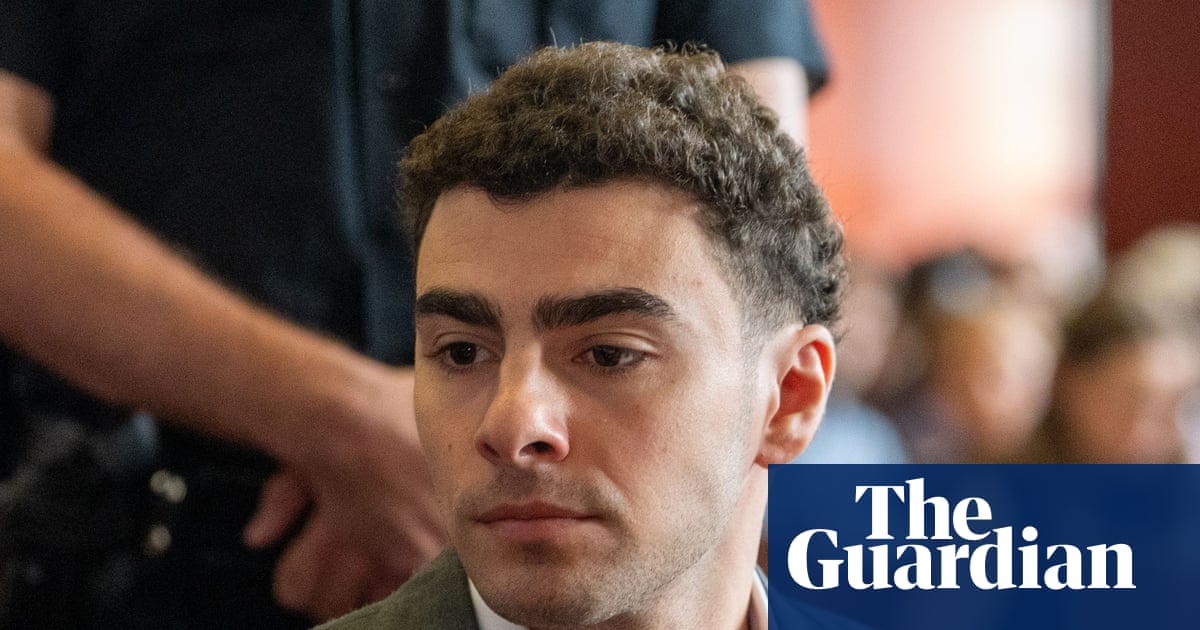
An unanticipated hearing scheduled for Friday morning in Manhattan federal court has intensified speculation regarding the legal strategy surrounding Luigi Mangione, the suspect accused of killing UnitedHealth Group CEO Brian Thompson. The session was requested through a joint letter filed by both federal prosecutors and Mangione’s defense attorneys, marking a sudden shift in the procedural timeline for the case. This development arrives just one day after a state court judge cleared the path for a murder trial to commence on September 8, creating a complex intersection between two parallel legal proceedings.
The primary focus of current speculation centers on the possibility that Mangione is seeking a plea deal within the federal stalking charges brought against him. Such an agreement could effectively conclude the federal portion of the case, which was originally set for trial early next year. Rumors regarding potential negotiations have circulated since late June, following meetings between Mangione’s legal team and federal prosecutors. At that time, it was widely understood among observers that discussions centered on resolving the federal matters, though no formal agreement had been publicly confirmed.
Mangione has consistently entered not guilty pleas to both state and federal charges related to the December 2024 shooting of Thompson on a midtown Manhattan street. The sudden scheduling of the hearing suggests that substantive progress may have been made in recent weeks, although neither side has provided immediate comment on the status or terms of any ongoing discussions. The lack of transparency from both prosecutors and defense counsel has left the public and media relying on procedural filings to gauge the direction of the case.
New York state prosecutors have expressed significant concern regarding the potential implications of a federal plea agreement. In a letter obtained by reporters, state officials argued that accepting a guilty plea in the federal system would defeat a just outcome in the state prosecution. They indicated their willingness to advise the federal district court of this consequence, urging the judge to consider the impact on the broader pursuit of justice. State prosecutors also noted that any opposition from the victim’s family to such a resolution should be weighed heavily by the federal court.
The tension between the two jurisdictions highlights the strategic challenges faced by both sides. While a plea deal might offer some certainty or reduced exposure in the federal arena, it risks undermining the state’s ability to secure a conviction for murder. The victim’s family has not been reported as supporting such a resolution, and their potential opposition remains a critical factor in the federal judge’s decision-making process. The interplay between these competing interests adds a layer of complexity to what was already a high-profile case.
Prior to this latest development, Mangione’s defense team had signaled an intention to pursue a psychiatric defense in state court. Attorneys filed a sealed letter with New York Supreme Court Justice Gregory Carro citing “extreme emotional disturbance” as a basis for their strategy. However, they abruptly reversed course and withdrew the filing, leaving the specific grounds for their current legal approach unclear. This reversal has further fueled speculation about alternative strategies, including the possibility of negotiating a plea to avoid a full trial on murder charges.
The upcoming state trial faces logistical challenges due to intense public interest and security concerns. The presiding judge has ordered that jurors remain anonymous and has arranged for an additional overflow courtroom to manage the volume of attendees. Mangione’s previous court appearances have been disrupted by large crowds of supporters, some of whom have obtained press passes, complicating efforts by court officials to maintain order and ensure fair access for the media and public. These disruptions underscore the heightened scrutiny surrounding the case.
As the September 8 trial date approaches, the outcome of the federal hearing will likely determine the trajectory of the entire legal battle. If a plea deal is reached, it could significantly alter the scope of the state prosecution. Conversely, if negotiations fail, Mangione may face simultaneous pressures from both federal and state courts. The coming days will be critical in clarifying whether the defense seeks to resolve the case through negotiation or proceed to trial on all charges.
The broader implications of this case extend beyond the immediate legal proceedings. It raises questions about how high-profile criminal cases are managed when multiple jurisdictions are involved and public sentiment plays a significant role. The handling of Mangione’s case will be closely watched by legal experts and policymakers alike, as it tests the boundaries of plea bargaining in sensitive matters involving corporate executives and violent crime.
For now, all parties remain silent on the specifics of any potential agreement. The federal judge will need to weigh the arguments presented by both sides, considering the interests of justice, the rights of the victim’s family, and the procedural integrity of the legal system. The resolution of this hearing could set a precedent for how similar cases are handled in the future, making it a pivotal moment in the ongoing saga.
Sources behind this briefing
Go to the original reporting
- The Guardian US Politics↗Unexpected hearing scheduled for Luigi Mangione sparks plea deal speculation