The short version
- Robert F. Kennedy Jr., the HHS secretary, has cast doubt on two measles-related deaths in Pennsylvania, claiming they may have been fabricated or unrelated to the virus.
- State health officials confirm the fatalities occurred in unvaccinated individuals in Lancaster County, where a large outbreak has hospitalized dozens of people.
- Anti-vaccine groups are attempting to contact the families of the deceased, while Governor Josh Shapiro criticizes federal leadership for spreading misinformation that undermines public safety.
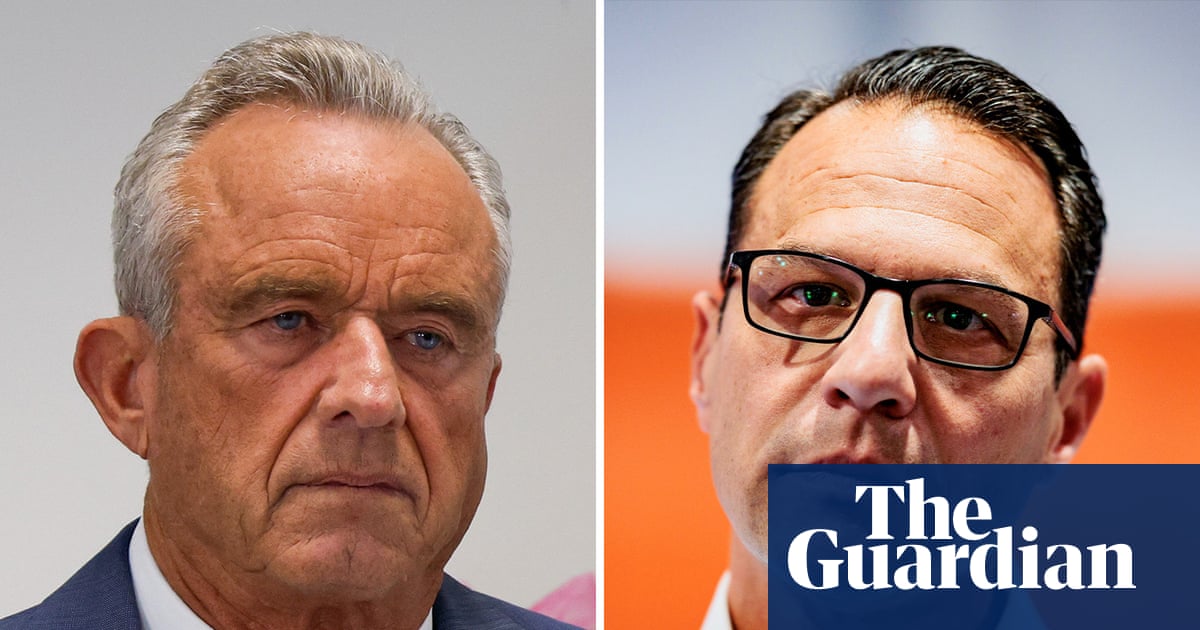
A significant dispute over public health data has emerged between state and federal authorities following two measles-associated deaths in Pennsylvania. Robert F. Kennedy Jr., serving as the secretary of the US Department of Health and Human Services, publicly questioned the validity of these fatalities late Wednesday. He suggested on social media that the deaths might have been fabricated, a claim that contradicts official reports from state health agencies. This assertion has intensified concerns about vaccine hesitancy and the spread of misinformation during an active outbreak.
The controversy centers on two individuals who died in Lancaster County after contracting measles. State health officials confirmed that both patients were unvaccinated. The county is home to large Amish and Mennonite communities, which generally eschew modern healthcare systems despite lacking religious objections to vaccination. While specific details about the deceased, such as their ages, have not been fully released, the lack of transparency has created an environment where conspiracy theories can thrive. Anti-vaccine activists are actively attempting to locate the families of the victims, mirroring tactics used in previous high-profile cases.
Governor Josh Shapiro has strongly criticized Kennedy’s comments, labeling them inaccurate and misleading. In a press conference, Shapiro emphasized the real-life consequences of spreading false information about disease outbreaks. He noted that Kennedy had previously offered assistance but then proceeded to repeat debunked myths regarding the measles, mumps, and rubella vaccine. The governor stated that such rhetoric stokes confusion among parents, leading to lower vaccination rates and increased susceptibility to preventable diseases.
The conflict highlights a broader tension within the current administration’s approach to public health. Kennedy has historically held anti-vaccine views, including praising unvaccinated communities in past speeches. His recent posts included claims that natural measles would be preferable to vaccination and suggested that chicken soup and vitamin A could cure the disease. Medical experts note that there is no cure for measles, only supportive care, and that vaccines are highly effective at preventing infection. These statements have drawn sharp criticism from infectious disease specialists who argue that Kennedy’s position undermines scientific consensus.
In response to the federal health secretary’s allegations, Pennsylvania officials clarified their communication with national agencies. Dr. Debra Bogen, the state’s secretary of health, stated that the CDC was notified of the deaths early Tuesday morning, well before any public announcement was made. She confirmed that a thorough investigation had been conducted and that the deaths were indeed associated with measles. A Republican coroner in Lancaster County had previously claimed one death was unrelated to the virus, though the cause listed was consistent with measles complications. This discrepancy appears to have fueled Kennedy’s skepticism.
The Centers for Disease Control and Prevention has acknowledged the uncertainty surrounding the specific causes of death. In a recent statement, the CDC said it is working to determine exactly what occurred and whether the two reported deaths were directly caused by measles. However, the HHS did not respond to inquiries about whether Kennedy recommends vaccination or if the newly confirmed CDC director would address the outbreak. This silence has left a vacuum that anti-vaccine organizations are quick to fill with their own narratives.
Anti-vaccine groups, including Children’s Health Defense, have mobilized in Pennsylvania. Brian Hooker, a leader in the movement, stated that his organization is trying to get boots on the ground to conduct outreach. He speculated that the announcement of the deaths was a political ploy designed to influence voters ahead of midterm elections. Internal polling suggests the Trump administration has at times downplayed its anti-vaccine stance due to unpopularity among voters. Hooker’s comments reflect a strategy to frame public health measures as politically motivated rather than medically necessary.
The outbreak in Pennsylvania has resulted in 424 confirmed measles cases, with 73 people hospitalized. None of the sickened individuals were fully vaccinated. The situation underscores the vulnerability of communities with low vaccination rates. Experts warn that without clear and consistent messaging from federal leaders, public trust in health institutions may erode further. The debate over these two deaths is not just about data accuracy but also about the role of government officials in promoting evidence-based medicine during a public health crisis.
As the investigation continues, the focus remains on containing the spread of measles and addressing the misinformation that complicates efforts to protect public health. State officials are urging residents to get vaccinated, while federal leadership’s mixed messages create confusion. The outcome of this dispute could have lasting implications for how future outbreaks are managed and communicated. Until more definitive information is available, the tension between state and federal authorities is likely to persist, leaving communities in affected areas anxious and uncertain.
Sources behind this briefing
Go to the original reporting
- The Guardian US Politics↗Vaccine misinformation spreads as RFK Jr suggests two measles deaths were ‘fabricated’