The short version
- The Trump administration has indefinitely paused the transfer of evidence to Minnesota authorities investigating two fatal shootings by federal officers.
- State officials argue they lack jurisdictional trust in federal self-investigation, while federal attorneys claim no legal obligation to share materials outside active court proceedings.
- Key items withheld include body camera footage, officer cell phones, and physical evidence related to the deaths of Renee Good and Alex Pretti.
The federal government has ceased providing evidence to Minnesota state authorities who are conducting an independent investigation into the fatal shootings of Renee Good and Alex Pretti. This development marks a significant escalation in the legal conflict between state prosecutors and the Trump administration regarding jurisdiction and transparency in cases involving federal law enforcement officers.
Minnesota officials initiated litigation against the federal government in March to secure access to materials they deemed essential for their probe. The shootings occurred during heightened immigration enforcement operations in Minneapolis earlier this year. State leaders have expressed deep skepticism about the federal government’s ability or willingness to investigate its own agents impartially, prompting their push for independent oversight.
In July, state prosecutors announced that the federal government had begun transferring evidence, including police body camera video and hard drives containing witness statements. Hennepin County Attorney Mary Moriarty stated at that time that the state anticipated receiving all relevant materials. However, recent court filings from October reveal that this cooperation ended abruptly shortly after the initial announcement.
According to documents filed by Minnesota investigators, the U.S. Attorney’s Office for Minnesota notified Moriarty on September 10 that evidence sharing would be paused indefinitely. The federal office cited challenges with Washington, D.C., as the reason for the halt. State prosecutors have since returned to court, requesting an order compelling federal agencies to resume handing over evidence, arguing there is no legal basis for obstructing state criminal investigations.
Federal attorneys responded by asserting their discretion to decline information sharing with state authorities. They referenced the Touhy regulations, which govern how Justice Department employees respond to record requests. Federal lawyers argued that these rules apply only when formal legal proceedings are underway and contended that no active court case existed at the time Minnesota made its specific evidence requests.
The withheld materials are critical to understanding the circumstances surrounding the deaths. Drew Evans, superintendent of the Minnesota Bureau of Criminal Apprehension, declared in legal filings that federal authorities still possess Renee Good’s clothing, the cell phone of the officer who shot her, and interview recordings that state investigators have never viewed. These items remain inaccessible despite earlier assurances of cooperation.
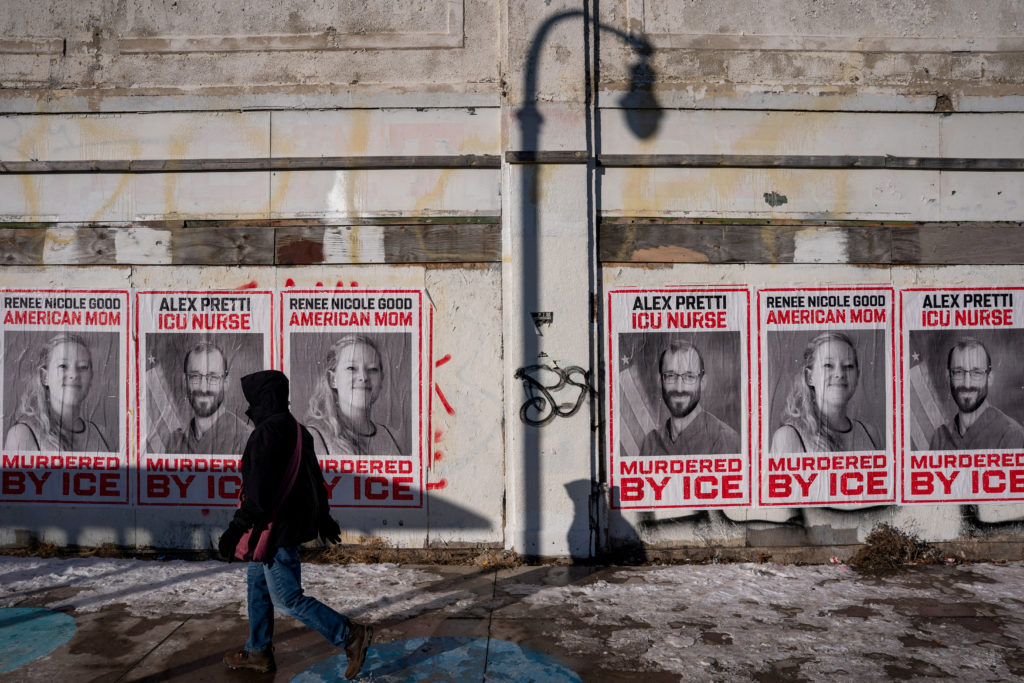
Renee Good, a 37-year-old mother of three, was killed on January 7 while leaving a Minneapolis protest. Video footage shows Good in her vehicle when masked immigration officers ordered her to exit. As she attempted to drive away, an officer fired at her windshield and then twice more from close range. Federal officials initially characterized the shooting as an act of self-defense.
Alex Pretti, a 37-year-old intensive care nurse, was killed weeks later by another federal officer in Minneapolis. The deaths of both individuals sparked widespread protests across the nation against the administration’s immigration enforcement tactics. To date, no criminal charges have been filed in connection with either shooting.
Beyond Good’s case, Evans noted that the federal government has also failed to share a recorded statement from the officer who shot Pretti. Other missing items include the firearms used by the officers, their mobile phones, projectiles and casings, and a gun taken from Pretti prior to his death. The state continues to seek these materials to ensure a thorough and independent examination of the events.
The standoff highlights broader tensions between state and federal authorities over accountability in law enforcement actions. Minnesota officials maintain that they have identified no rational basis for the federal government’s obstruction. As the legal battle continues, the availability of evidence remains uncertain, leaving questions about the full scope of the investigations unresolved.
Sources behind this briefing
Go to the original reporting
- PBS NewsHour↗Trump administration stopped sharing evidence in Good and Pretti killings, Minnesota officials say