The short version
- The Department of Health and Human Services is providing up to $4.9 million to develop the infrastructure necessary for future clinical trials of ibogaine.
- This initiative targets post-traumatic stress disorder among veterans, building on an executive order signed earlier this year to accelerate psychedelic research.
- While advocates cite potential benefits for trauma and addiction, the drug remains illegal in the U.S. due to risks including fatal heart arrhythmias.
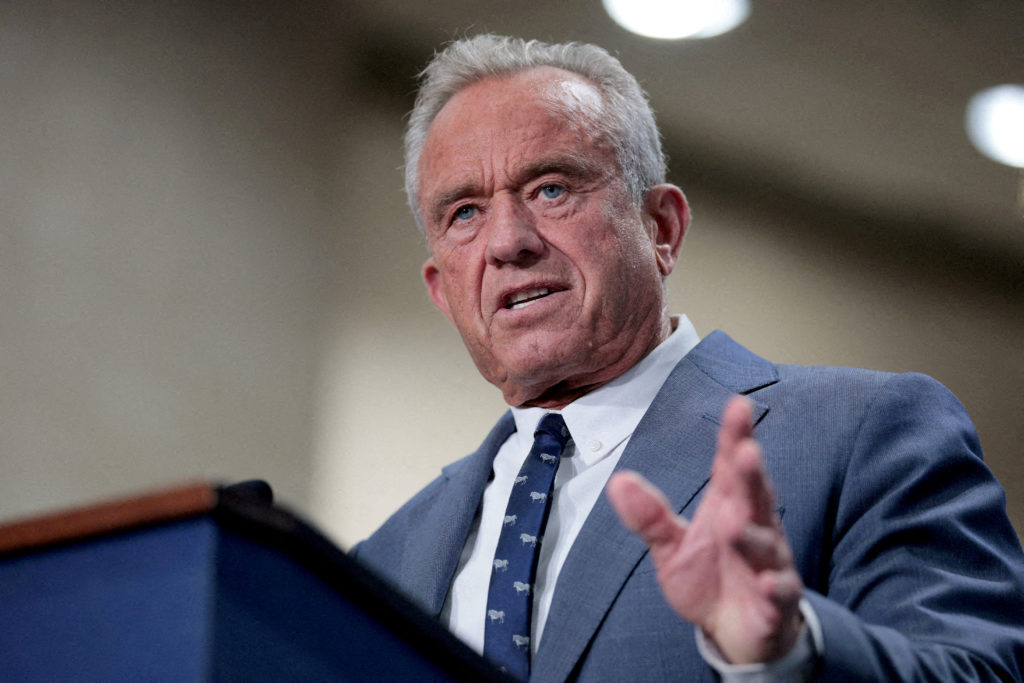
Federal health officials announced a new funding initiative on Thursday aimed at exploring the medical applications of ibogaine, a psychedelic substance derived from a West African shrub. The Department of Health and Human Services, led by Secretary Robert F. Kennedy Jr., confirmed that up to $4.9 million will be awarded to prepare for the first United States-based studies of the drug. This allocation marks a significant departure from decades of regulatory stagnation regarding ibogaine research within the country.
The funds are not designated for direct patient trials at this stage. Instead, Kennedy explained that the money will support the groundwork required to manufacture the substance, determine appropriate dosages, and design rigorous study protocols. By establishing these foundational elements, the administration aims to streamline the path toward future clinical investigations. Kennedy suggested that leveraging existing data could lead to an accelerated approval timeline if the research proves successful.
Ibogaine currently holds a Schedule I classification under federal law, placing it in the same restrictive category as LSD and ecstasy. This designation has effectively halted domestic research for many years due to stringent regulatory barriers. The substance is known to induce intense hallucinations and severe physical side effects, including nausea, vomiting, tremors, and potentially lethal irregular heart rhythms. These safety concerns have historically slowed its acceptance in mainstream medical circles.
Despite these risks, veterans organizations and psychedelic advocates argue that ibogaine offers promising avenues for treating conditions that are often resistant to standard therapies. Proponents highlight its potential utility in addressing post-traumatic stress disorder, severe depression, and opioid addiction. Many service members have traveled internationally to access treatment, particularly in Mexico, where the drug is not illegal. These overseas clinics typically charge between $10,000 and $20,000 for a single course of treatment, which involves close cardiac monitoring and the presence of emergency medical personnel.
To inform the upcoming research framework, the government will utilize data and treatment guidance from Beond Inc., a Texas-based company. This entity has administered ibogaine to more than 3,000 patients in Mexico. Kennedy indicated that incorporating this real-world experience would allow for a dramatic acceleration of the clinical trial process. He expressed confidence that the administration could achieve a record-breaking speed in drug approval if the preliminary studies yield positive results.
The announcement was made jointly by Kennedy and Veterans Affairs Secretary Doug Collins, who emphasized the dual commitment to urgency and scientific rigor. Collins stated that veterans suffering from PTSD deserve both immediate attention and the highest quality research available. Both officials have previously voiced support for psychedelic therapies, citing anecdotal evidence from veterans who have sought treatment abroad. Their collaboration signals a coordinated effort between health and veteran services departments to address mental health challenges through alternative medical avenues.
This development follows an executive order signed by President Donald Trump in April, which directed federal agencies to expedite the review and research of psychedelics for mental health conditions. The order was reportedly influenced by discussions with podcaster Joe Rogan, who has frequently discussed ibogaine on his program. According to Rogan, he texted the president about the substance, receiving a prompt response indicating support for pursuing FDA approval.
While ibogaine research moves forward cautiously due to its safety profile, other psychedelic applications are advancing more rapidly through the regulatory pipeline. Three applications involving psilocybin and MDMA are currently pending review at the Food and Drug Administration. Decisions on these substances could be rendered within weeks or months. The contrast in timelines highlights the distinct challenges posed by ibogaine’s physiological risks compared to other mind-altering compounds under consideration.
Additional funding awards may eventually explore the use of ibogaine for addiction treatment beyond PTSD. However, the immediate focus remains on establishing safety parameters and best-in-class research standards. As the government prepares to manufacture and dose the drug for study, stakeholders are watching closely to see how federal agencies balance innovation with patient safety in this controversial therapeutic space.
Sources behind this briefing
Go to the original reporting
- PBS NewsHour↗WATCH: Trump administration officials announce PTSD research funding for psychedelic drug ibogaine