The short version
- The Trump administration argues that access to the White House is a privilege rather than a right, claiming the banned outlets violated professional decorum and national security protocols.
- CNN, MS NOW, and Politico have filed a joint lawsuit alleging viewpoint discrimination, asserting that their exclusion constitutes a blatant violation of First Amendment protections.
- The dispute has triggered broader industry pushback, with the network press pool suspending coverage and other organizations withholding presidential imagery in solidarity.
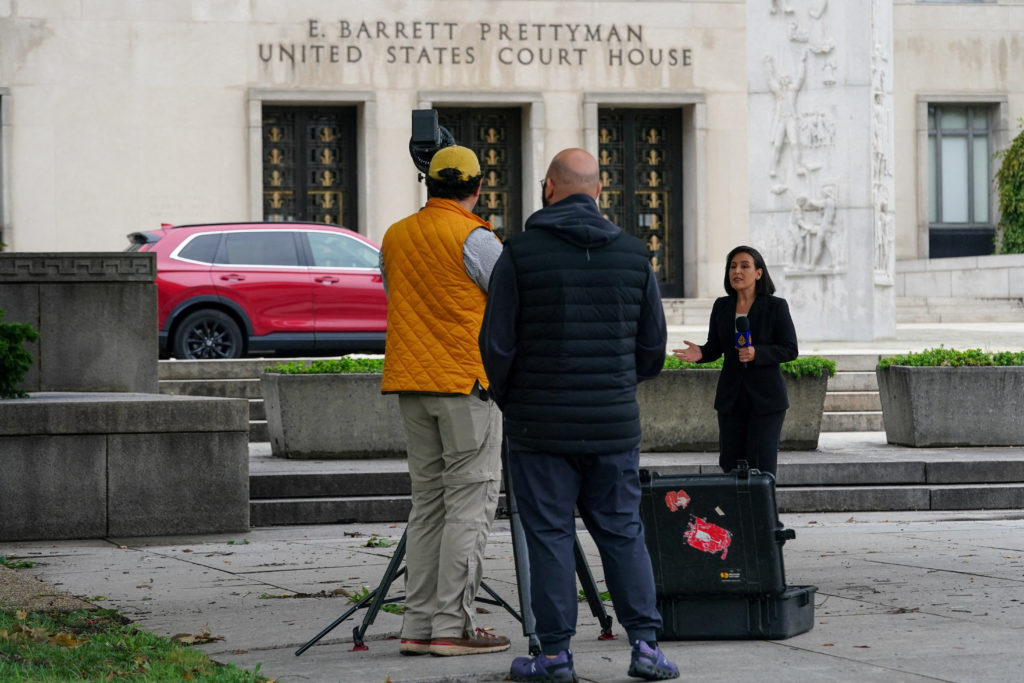
A federal judge in Washington is currently evaluating the legality of an executive order that prohibits three major news organizations from entering White House grounds. The case represents a significant escalation in the ongoing conflict between the Trump administration and media entities whose reporting the president has publicly criticized. U.S. District Judge Timothy Kelly, who was appointed by Trump in 2017, is presiding over the proceedings. This is not the first time Kelly has ruled on press access issues involving this administration; he previously ordered the restoration of credentials for a CNN journalist in a separate dispute in 2018.
The administration’s legal defense rests on the assertion that entry to the White House complex is a privilege granted at the discretion of the executive branch, not a constitutional right. In filings submitted late Tuesday, government lawyers argued that the decision to ban CNN, MS NOW, and Politico was necessary because these outlets failed to adhere to expected standards of professionalism and decorum. The administration contends that the organizations engaged in behavior that threatened national security, including the publication of sensitive or classified information and the dissemination of verifiable falsehoods regarding critical issues.
To support this position, the government provided a detailed list of specific reporting incidents attributed to each outlet. For CNN, the administration cited coverage involving top-secret construction details related to an East Wing bunker. Regarding MS NOW, officials pointed to reporting on an alleged leak investigation. In the case of Politico, the filing highlighted the publication of a document outlining funding for the White House ballroom, which included intricate descriptions of Secret Service security improvements. These examples were used to demonstrate a pattern of conduct that the administration claims justifies revoking access.
The three news organizations have responded with a joint lawsuit filed on Monday, alleging that they were targeted specifically because of the content of their coverage. They characterize the ban as viewpoint discrimination and a direct violation of the First Amendment’s guarantee of a free press. The plaintiffs are seeking an immediate court order to restore their access to White House events and facilities. Legal experts note the historic nature of this confrontation, with Katie Fallow of the Knight First Amendment Institute at Columbia University observing that no previous president had taken such explicit steps to ban entire news outlets solely due to dissatisfaction with their reporting.
The rationale for the ban has shifted slightly in public statements from President Trump. While initial comments focused on negative coverage and allegations of fake news, recent remarks have emphasized national security risks. Speaking at the United Nations, Trump defended the sudden announcement made Friday by stating that the country has a right to eliminate fake news, framing the negative coverage as dangerous for the nation. This pivot suggests an attempt to align the administrative action with broader security concerns rather than mere editorial disagreement.
The controversy has extended beyond the courtroom and into daily journalistic operations. The ban was implemented abruptly, with journalists from the three affected outlets discovering their entry badges had been disabled upon arriving at work on Saturday. In response, other media organizations have taken symbolic actions to show solidarity. The five-network U.S. press pool, which includes CNN, decided to suspend coverage of Trump events indefinitely. Additionally, the Associated Press joined a coalition of groups that refrained from publishing photographs of the president on Monday.
Specific incidents cited in the administration’s letters reveal complexities regarding sourcing and attribution. One example involved Politico citing a senior administration official granted anonymity to predict whether a preliminary deal would end conflict with Iran. This reference appeared to stem from a background briefing arranged by the White House itself, where an official spoke under ground rules set by the administration. Several other outlets also reported on these remarks, raising questions about why only certain publications faced penalties for covering information released through official channels.
The proceedings are expected to clarify the boundaries of executive power regarding press access during a period of heightened tension between the government and the media. The outcome could set a precedent for how future administrations handle disputes with news organizations they deem unprofessional or threatening to security. As arguments continue, the broader implications for journalistic freedom and the transparency of government operations remain under intense scrutiny.
The network press pool’s absence from daily White House schedules on Wednesday underscores the practical impact of the dispute on information flow. This suspension of coverage limits the ability of the public to receive real-time reporting from presidential events. The situation highlights a growing rift in the relationship between the executive branch and the press corps, with potential long-term consequences for how political news is gathered and disseminated.
Legal observers are watching closely to see how Judge Kelly balances the administration’s security arguments against the constitutional protections afforded to the press. The case tests whether the government can restrict access based on the content of reporting without violating fundamental rights. The resolution of this matter will likely influence future interactions between political leaders and media organizations, particularly in an era where accusations of misinformation are increasingly common.
Sources behind this briefing
Go to the original reporting
- PBS NewsHour↗Trump administration's ban of three prominent news outlets from White House is in court

