The short version
- Wasim El-Haj has filed a racial discrimination lawsuit against the New South Wales government after being directed to stop wearing a keffiyeh at his workplace.
- School officials argued the garment could cause discord and compromise safety, while El-Haj contends the ban breaches federal anti-discrimination statutes.
- The case highlights tensions between maintaining political neutrality in public institutions and protecting cultural expression during periods of international conflict.
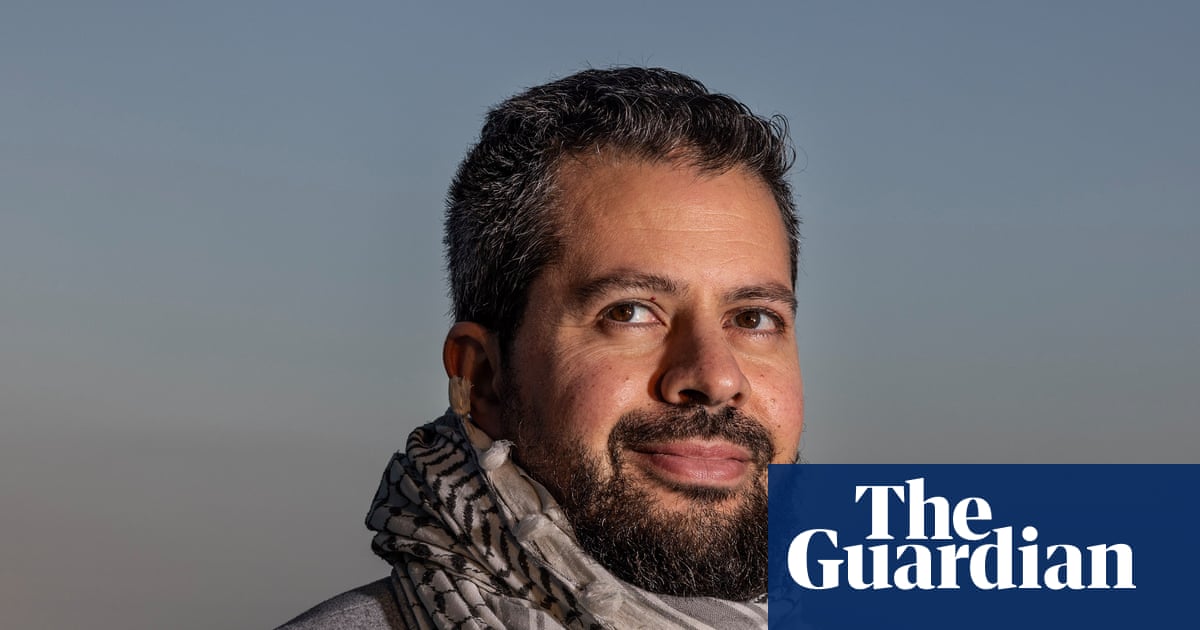
A legal challenge regarding the intersection of cultural expression and institutional neutrality has reached the federal court in Australia. Wasim El-Haj, a former careers adviser at Sydney Girls High School, has lodged a claim alleging racial discrimination against the state of New South Wales. The case centers on an order issued to El-Haj in 2024 requiring him to cease wearing a keffiyeh, a traditional scarf often associated with Palestinian identity and political struggle, while performing his duties at the selective government school.
According to court documents filed last month, El-Haj began wearing the garment in January 2024, shortly after the escalation of conflict between Hamas and Israel. He alleges that Geoffrey Denyer, the acting principal at the time, informed him in May 2024 that he had received directives from higher authorities, potentially including the education minister, to remove the item. Denyer reportedly stated that the keffiyeh was viewed as a symbol of conflict and warned that non-compliance would result in further action.
The administration’s position was formalized in an email sent on the same day, which cited departmental policies regarding controversial issues and codes of conduct. The correspondence advised that schools must remain free of symbols that stir strong emotions or may cause discord. It emphasized the need for immediate compliance to maintain a neutral environment, acknowledging the heightened emotional climate surrounding the Middle East conflict but prioritizing institutional stability over individual symbolic expression.
El-Haj’s statement of claim details subsequent interactions with department officials, including a meeting in August 2024 with Maria Serafim. She outlined six anonymous concerns raised by staff or others, characterizing the keffiyeh as a symbol of partisan conflict. El-Haj attempted to resolve the matter through internal channels, filing a complaint that was ultimately rejected. Murat Dizdar, the secretary of the NSW Department of Education, upheld the decision in February 2025.
In his written response, Dizdar acknowledged the cultural significance of the keffiyeh for the Palestinian community but argued that the department must prioritize safety and wellbeing. He noted that public schools must remain politically neutral, especially when external events impact school operations. The letter suggested that some individuals might perceive the garment as politicizing global conflicts, thereby threatening the apolitical nature of the educational environment.
Following these events, El-Haj took leave from May 2024 until the end of the year and resigned from his position in March 2025. His legal action asserts that the state’s conduct violated Section 9(1) of the Racial Discrimination Act, which prohibits less favorable treatment based on race, color, descent, or national or ethnic origin. The case tests whether restrictions on cultural attire in public schools constitute unlawful discrimination when justified by neutrality and safety concerns.
The New South Wales Department of Education has stated its commitment to maintaining neutral and apolitical school environments in accordance with its policies. A spokesperson declined to provide further comment while the matter is under judicial review. The state has not yet filed a formal defense in the federal court, leaving the specific legal arguments against the claim undisclosed at this stage.
The next phase of the proceedings involves a case management hearing scheduled for November 3. This early procedural step will likely address discovery processes and timelines rather than substantive merits. The outcome could set important precedents for how Australian public institutions balance freedom of cultural expression with mandates for political neutrality, particularly in contexts involving sensitive international disputes.
Observers note that the case reflects broader challenges faced by educational bodies worldwide as they navigate staff conduct during periods of geopolitical tension. While schools aim to protect students from divisive influences, critics argue that suppressing cultural symbols may inadvertently marginalize minority groups. The federal court’s eventual ruling will clarify the legal boundaries of such administrative decisions under Australian anti-discrimination law.
Until a verdict is reached, the incident remains a point of contention regarding workplace rights and institutional policy. El-Haj’s resignation underscores the personal cost of such disputes for employees caught between cultural identity and employer mandates. As the case progresses, it may influence how other public sector organizations handle similar issues involving symbolic dress codes and political neutrality.
Sources behind this briefing
Go to the original reporting
- The Guardian World↗Palestinian careers adviser who was allegedly told to stop wearing keffiyeh at Sydney school sues for racial discrimination

