The short version
- The Federal Reserve inspector general found no evidence of criminal violations regarding the agency's building renovation project.
- Cost overruns resulted from management failures, including a lack of initial price ceilings and a late-stage shift to enclosed office spaces.
- The report concludes a long-running political dispute involving former President Trump and former Fed Chair Jerome Powell without legal penalties.
The Federal Reserve’s internal watchdog has concluded its examination of the central bank’s massive building renovation project, determining that while the agency broadly mismanaged the initiative, no criminal laws were broken. The inspector general’s report addresses a controversy that escalated into a high-profile political conflict between the Trump administration and former Fed Chair Jerome Powell. By clearing the central bank of legal wrongdoing, the investigation effectively ends a prolonged effort by prosecutors to pursue charges against Powell related to his testimony about the construction costs.
The renovation of two Federal Reserve buildings has seen its price tag more than double since the project began. Initial estimates in early 2020 placed the cost at approximately $921 million, but by late 2024, that figure had risen to over $2 billion. The inspector general identified several structural failures in how the board of governors handled the contract. Specifically, the agency failed to secure a comprehensive cost estimate at the outset and did not establish a maximum overall price cap. This omission prevented the board from forcing contractors to absorb inflationary pressures that emerged after construction commenced in 2022.
A significant contributor to the financial escalation was a major design alteration made in 2023. The Federal Reserve shifted its plans from a predominantly open workspace layout to one featuring mostly closed offices. This change caused substantial delays in the design phase and postponed the agency’s ability to negotiate a cost ceiling with builders. The inspector general noted that these deviations from standard cost-management provisions were repeated throughout the project, leading to the current budgetary situation.
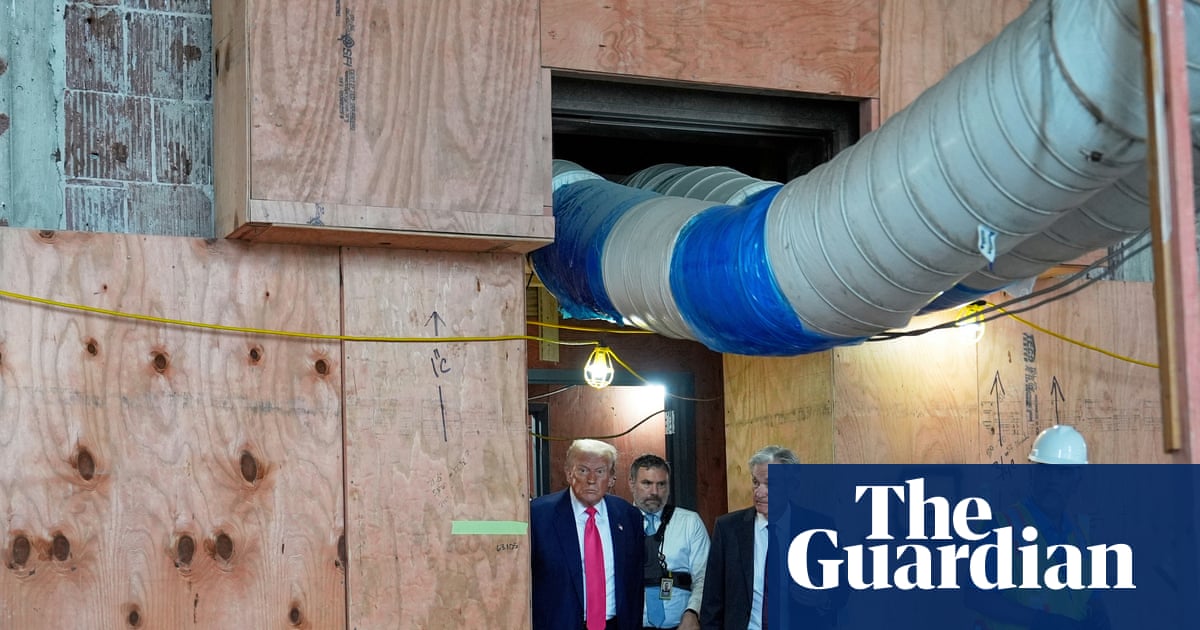
The controversy surrounding the renovation became a focal point for political pressure aimed at influencing monetary policy. Former President Donald Trump frequently criticized the spending, using it as leverage in attempts to persuade then-Chair Powell to lower interest rates. The dispute reached a public peak when Trump visited the construction site last July. During the visit, standing before television cameras in hard hats, Powell corrected Trump’s inaccurate estimates of the project’s expected costs, highlighting the disconnect between political rhetoric and the actual financial details.
Following the public disagreement, the Justice Department under the Trump administration launched an investigation into whether Powell had committed perjury during his Senate testimony about the renovation. This legal probe was abandoned in April after a judge invalidated subpoenas issued by Jeanine Pirro, the U.S. attorney for the District of Columbia. At that time, Pirro indicated she would wait for the inspector general’s findings before deciding on further actions. The recent report provides those findings, stating there were no reasonable grounds to believe federal criminal law had been violated.
Critics from the Trump administration and Republican lawmakers had previously pointed to specific luxury features as evidence of wasteful spending. These included marble facades, private elevators, and specialized water fountains. However, the inspector general’s analysis determined that these aesthetic elements were not significant drivers of the excessive costs. Instead, the financial blow was primarily caused by the fundamental management errors regarding contract structure and the late-stage design changes that disrupted the project timeline.
The report also addresses the timeline for completion, noting that construction is now expected to continue until December 2027. This date is significantly later than the original mid-2024 target. The delay underscores the impact of the initial planning failures and the subsequent design revisions. Former Fed Chair Jerome Powell had requested this review last year, seeking an independent assessment of how the project was executed and managed by the board of governors.
The 120-page report offers a detailed account of the agency’s internal processes, highlighting where they fell short of standard procurement practices. It emphasizes that while the mismanagement was severe enough to inflate costs dramatically, it did not cross the threshold into criminal activity. This distinction is crucial for understanding the final outcome of the investigation, which separates administrative incompetence from legal culpability.
As the Federal Reserve moves forward with the remaining construction phases, the findings serve as a post-mortem on one of the most contentious episodes in recent central bank history. The report does not recommend specific punitive measures but clearly outlines the procedural errors that led to the budget overrun. For policymakers and oversight bodies, the document provides a clear record of how failure to set firm financial boundaries at the start of a large-scale project can lead to significant fiscal consequences.
The conclusion of this investigation marks the end of a chapter that intertwined infrastructure spending with monetary policy debates. While the political pressure on the Federal Reserve has subsided in this specific instance, the report leaves a permanent record of the management failures that allowed costs to spiral. The agency must now focus on completing the renovation within the revised timeline and budget, having navigated both internal missteps and external political scrutiny.
Sources behind this briefing
Go to the original reporting
- The Guardian US Politics↗Federal Reserve watchdog finds no criminal violations for building renovation cost overruns