The short version
- Nominee Dr. Heidi Overton testified that every vaccine currently on the US market is safe and effective, directly addressing concerns raised by recent presidential comments.
- The hearing occurred as the United States recorded its highest number of measles cases since 1991, intensifying scrutiny over public health leadership.
- Senators questioned Overton on her willingness to follow statutory requirements if pressured by the president, as well as past decisions regarding flavored vaping products and abortion access.
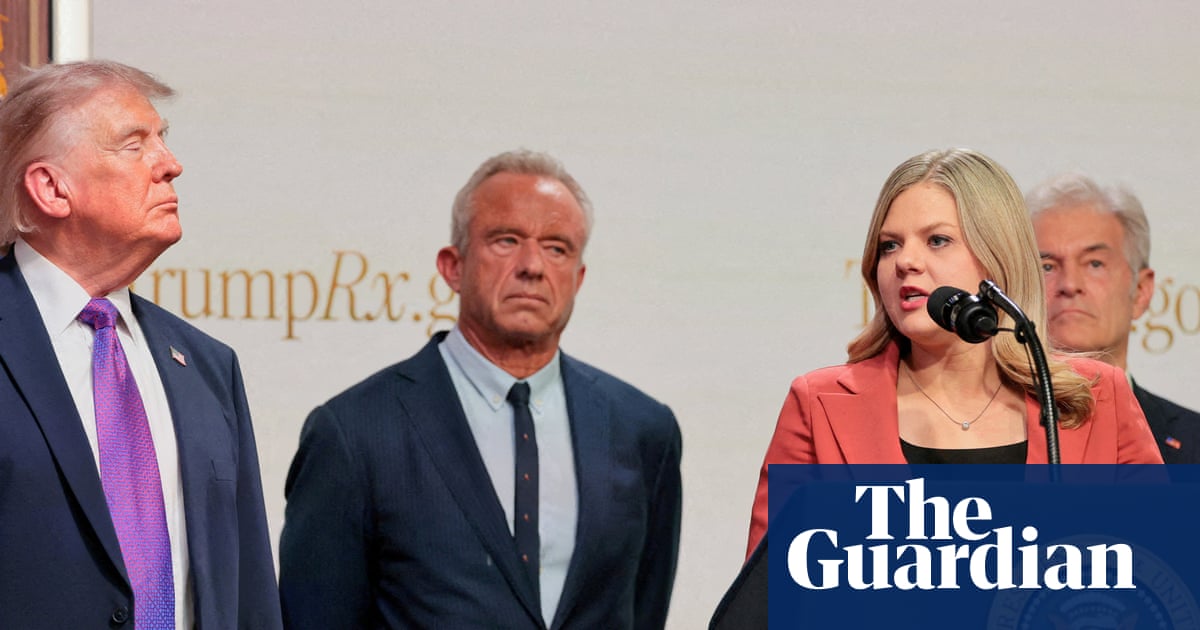
Dr. Heidi Overton, Donald Trump’s nominee to lead the US Food and Drug Administration, testified before the Senate Health Committee that the measles, mumps, and rubella vaccine is safe and effective. Her confirmation hearing took place against a backdrop of heightened public health concern, with the United States currently experiencing its highest incidence of measles cases since 1991. Overton described the MMR shot as the best available tool for responding to the ongoing outbreak, emphasizing that every vaccine currently approved for the US market meets the agency’s standards for safety and efficacy.
The testimony addressed a significant contradiction between Overton’s current assurances and her previous public stance. Weeks prior to the hearing, she had supported President Trump when he suggested that the MMR vaccine could be quite lethal. This alignment drew sharp criticism from Senator Bill Cassidy, a Louisiana Republican and physician who chairs the Senate health committee. Cassidy had previously characterized Overton’s role in an August executive order regarding vaccines as almost disqualifying for the position of FDA commissioner, making his vote pivotal to her confirmation.
During questioning, senators probed Overton’s ability to maintain regulatory independence if pressured by the White House. When asked what she would do if the president instructed her to violate assurances regarding vaccine safety, Overton stated she would provide her best advice and adhere to statutory requirements for individual product determinations. She did not directly answer a question from Senator Bernie Sanders about whether she had the courage to stand up to a president who he accused of lying frequently. Instead, Overton highlighted her long tenure working for the president, noting that she has earned his trust through robust discussions aimed at providing optimal advice.
Overton’s opening statement outlined an agenda focused on accelerating drug development to maintain American leadership in biotechnology. She pledged to transform the FDA into an agency of the possible rather than the impossible, arguing that swift action is necessary to protect global competitiveness. If confirmed, the 37-year-old surgeon would become the youngest person ever to serve as FDA commissioner. She currently serves as deputy assistant to the president for domestic policy and previously worked as a White House fellow during Trump’s first term.
The hearing also covered controversial regulatory decisions made under the current administration. Senator Susan Collins, a Maine Republican, challenged Overton regarding the FDA’s August authorization of flavored vaping products and nicotine pouches, including varieties such as blueberry, mango, and cappuccino. Collins pointed out that nearly 90 percent of young e-cigarette users prefer flavored products. Overton defended the decision by stating there was unanimous agreement within the administration on the need to protect children, but she argued that career staff recommended the authorization because many adults preferentially use flavored options.
Overton suggested that if the current standards for approving such products are deemed inappropriate, Congress should work on statutes to address the issue. This response highlighted a tension between regulatory flexibility and legislative oversight in public health matters. Her background includes significant involvement with conservative policy organizations; as chief policy officer at the America First Policy Institute, she authored a brief criticizing federal policies that allowed abortion pills to be mailed, describing abortion as corrosive to children, women, and society broadly.
The confirmation process comes at a critical time for the FDA, which is still recovering from significant workforce reductions in 2025. Those layoffs cut the agency’s staff by nearly 20 percent, raising concerns about its operational capacity. Overton would replace Marty Makary, who resigned in May. Her personal background includes deep religious ties; her father leads a church in her hometown of Gallup, New Mexico, and she has cited Colossians 3:23 as a guiding life verse since childhood.
As the committee deliberates, the focus remains on whether Overton can balance political loyalty with the scientific rigor required to lead the nation’s primary drug regulator. The rising measles cases underscore the urgency of having a commissioner who can navigate public health crises without succumbing to political pressure. Senators from both parties expressed varying degrees of skepticism regarding her past statements and policy positions, indicating that her confirmation may face substantial hurdles despite her assurances of regulatory integrity.
The outcome of this hearing will likely influence broader perceptions of the FDA’s independence under the current administration. With biotechnology leadership and public health safety at stake, the committee’s decision could set a precedent for how future nominees are evaluated regarding their alignment with executive branch directives versus statutory obligations. Overton’s ability to reassure lawmakers while maintaining her stated commitment to speeding up drug development will be central to the final vote.
If confirmed, Overton will inherit an agency grappling with both internal resource constraints and external political expectations. The contrast between her current testimony on vaccine safety and previous endorsements of controversial presidential remarks illustrates the complex landscape facing modern regulatory leaders. As the US continues to monitor the measles outbreak, the stability and credibility of the FDA under new leadership will be closely watched by public health experts and policymakers alike.
Sources behind this briefing
Go to the original reporting
- The Guardian US Politics↗Trump’s FDA nominee says MMR shot is ‘safe and effective’ at Senate hearing