The short version
- The FDA is requiring all GLP-1 receptor agonists to include warnings about nonarteritic anterior ischemic optic neuropathy on their labels.
- Agency review of clinical trials found a higher incidence of the eye condition in patients taking these drugs compared to those on placebos or other treatments.
- Novo Nordisk stated that current data do not prove causation and affirmed confidence in the safety profile of its medications.
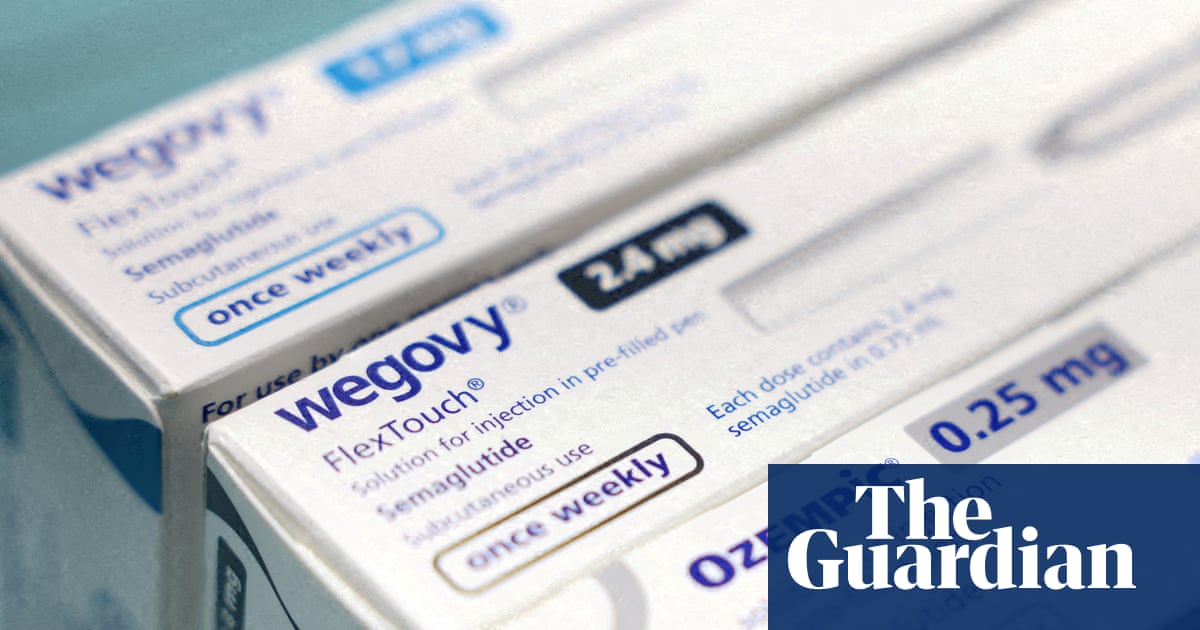
The US Food and Drug Administration has issued a directive requiring manufacturers of GLP-1 receptor agonists to update their product labeling. The new warnings must address the potential risk of nonarteritic anterior ischemic optic neuropathy, a rare eye condition that can result in sudden and permanent blindness. This regulatory action affects widely prescribed medications used for both blood sugar management and weight loss, including Novo Nordisk’s Ozempic and Wegovy, Eli Lilly’s Mounjaro and Zepbound, and Sanofi’s Soliqua.
NAION involves an abrupt reduction in blood flow to the optic nerve. The FDA describes the resulting vision loss as acute, painless, and typically confined to one eye. Because there is currently no treatment available to reverse damage caused by this condition, early awareness is critical for patient safety. The agency noted that NAION is already a leading cause of acute optic nerve injury in individuals older than 50, with annual incidence rates ranging from 2.3 to 10.2 cases per 100,000 people in that demographic.
Established risk factors for NAION include diabetes, hypertension, smoking, and high cholesterol. The FDA’s decision to mandate labeling changes followed a review of existing data, which was prompted by a 2024 study published in JAMA Ophthalmology. That research suggested an increased risk of the eye condition among patients using GLP-1 medications. Although the agency acknowledged limitations in that initial study, it determined that further assessment was necessary to ensure public safety.
To evaluate the potential link, the FDA examined 126 clinical trials involving more than 134,200 patients. The review identified 15 probable cases of NAION across the dataset. Ten of these cases occurred in patients taking GLP-1 medications, while five were observed in patients receiving placebos. No cases were found among patients using glucose-lowering medications that did not belong to the GLP-1 class. This distribution led regulators to calculate an incidence rate of 6.4 cases per 100,000 person-years for GLP-1 users, compared to 3.8 cases for those on placebo or alternative treatments.
Despite these findings, the FDA emphasized that NAION remains a rare event. The agency concluded that there is a potential increased risk associated with the drug class but stopped short of declaring a definitive causal relationship. The requirement to update labels applies to all currently marketed GLP-1 receptor agonists. The information will be added to the Warnings and Precautions section, ensuring that healthcare providers and patients are informed of this specific adverse event possibility.
Novo Nordisk responded to the announcement by reiterating its position on the safety of its products. A company spokesperson stated that the data do not establish a cause-and-effect relationship between their medications and NAION. The firm expressed continued confidence in the benefit-risk profile of its GLP-1 medicines, noting that patient safety remains a top priority. The company also highlighted its ongoing efforts to monitor drug safety and collaborate with health authorities globally.
Eli Lilly acknowledged awareness of publications regarding the risk of NAION among patients using its drugs but did not provide additional comment on the specific labeling mandate at the time of reporting. Sanofi was also contacted for response. The regulatory move occurs against a backdrop of broader concerns about the rapid expansion of GLP-1 usage. Some critics, including the Netherlands-based Access to Medicine Foundation, have warned that the intense pharmaceutical focus on weight-loss drugs could jeopardize global insulin supplies.
GLP-1 medications were originally developed to help people with type 2 diabetes manage their blood glucose levels. Over time, certain formulations gained approval for treating obesity, leading to widespread adoption. While many patients use these drugs for legitimate medical reasons, there is also growing demand from individuals seeking cosmetic weight loss. The FDA’s updated labeling aims to balance the significant benefits of these therapies with the need for transparency regarding rare but serious side effects.
The incidence rates observed in clinical trials remain low relative to the overall population. However, the absolute number of cases matters given the massive scale of GLP-1 prescription volumes. Healthcare providers will now have updated guidance to discuss this risk with patients, particularly those who already possess other risk factors for optic nerve injury. Patients experiencing sudden vision changes are advised to seek immediate medical attention, regardless of medication use.
This labeling update represents a precautionary measure rather than a recall or withdrawal of the drugs from the market. The FDA’s approach reflects standard regulatory practice when new safety signals emerge during post-market surveillance. By mandating clearer warnings, regulators aim to empower patients and clinicians to make informed decisions. The situation underscores the ongoing challenge of monitoring long-term side effects as novel therapies become mainstream treatments for chronic conditions.
Sources behind this briefing
Go to the original reporting
- The Guardian US↗FDA warns of rare eye condition causing blindness from GLP-1 weight loss medications


