The short version
- Andrew Bailey is stepping down from his role as co-deputy director of the FBI, ending a tenure that began in September 2025.
- While Bailey cites family obligations for his departure, reports indicate strained relations with Director Kash Patel and significant internal agency instability.
- The resignation occurs during a period of mass departures among career agents and ongoing reforms under the current administration's leadership.
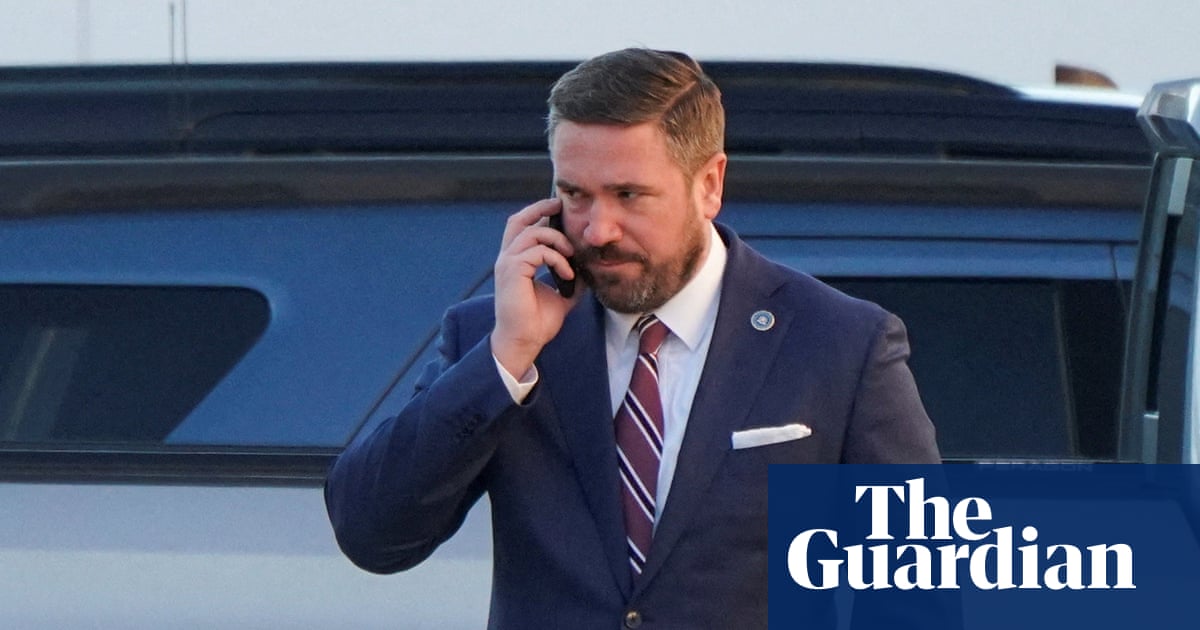
Andrew Bailey is leaving his position as co-deputy director of the Federal Bureau of Investigation, marking another significant personnel change within the agency’s upper echelons. Bailey announced his departure on social media, stating that he intends to return to his family in Missouri. His exit comes approximately one year after he assumed the unusual dual-leadership role alongside Dan Bongino, a former podcaster with no prior law enforcement background.
Bailey, a former attorney general of Missouri and self-described hardline conservative, has been a central figure in the bureau’s recent operational shifts. During his tenure, he oversaw several investigations related to election integrity concerns raised by former President Donald Trump. This included supervision of activities surrounding the 2020 presidential election ballots in Georgia. Bailey was present at an election office in Fulton County in January when agents executed a search warrant and seized materials from that cycle.
The structure of leadership under which Bailey served has undergone its own changes. He initially shared the deputy director title with Bongino, who departed the FBI in January. Following Bongino’s exit, Bailey continued in his role alongside Christopher Raia, a former special agent and New York field office official. It remains unclear whether the administration plans to appoint another deputy director to serve alongside Raia or if the dual-title arrangement will be dissolved entirely.
While Bailey publicly attributed his resignation to personal family matters, other reporting suggests underlying professional tensions. Accounts indicate that both Bailey and Raia experienced a contentious relationship with FBI Director Kash Patel. These reports describe long periods during which the senior officials did not communicate directly, pointing to potential friction within the bureau’s command structure rather than solely personal motivations for leaving.
Bailey’s departure is part of a broader pattern of instability at the FBI under Patel’s leadership. The agency has witnessed mass departures among career agents in recent months. Some employees have been forced out due to perceived political bias, while others have left voluntarily. Many of these voluntary exits are attributed to fears of retribution or discomfort with carrying out orders that conflict with their professional judgments.
In his announcement, Bailey expressed confidence in Patel’s ability to continue reforming the bureau. He stated that he believed the director would successfully combat violent crime, defend national security interests, and restore public trust in the institution. Bailey also thanked Patel, Trump, and Attorney General Todd Blanche for their support during his time at the agency.
Patel responded to the news by thanking Bailey for his service. He acknowledged that while Bailey is leaving to be with his family, the reforms instituted under his watch would continue to have an impact. Patel described Bailey’s contributions as critical to the bureau’s recent successes and noted that his leadership would be missed by the organization.
The FBI declined to provide additional comment beyond directing inquiries to Bailey’s social media post. The agency has faced intense scrutiny regarding its internal culture and operational direction since the current administration took office. The departure of a high-ranking official like Bailey adds to questions about the long-term stability of the bureau’s leadership team and the sustainability of its current reform agenda.
As the bureau navigates this transition, attention will likely turn to how Raia manages his responsibilities without a co-deputy. The uncertainty surrounding future appointments reflects the fluid nature of the agency’s executive branch under Patel. Observers will be watching to see if further leadership changes occur and how they might affect ongoing investigations and internal morale.
Bailey’s exit underscores the significant turnover that has characterized the FBI in recent months. With career agents leaving in large numbers and senior officials rotating through key positions, the institution faces challenges in maintaining continuity and institutional knowledge. The coming weeks may reveal whether this period of upheaval represents a temporary adjustment or a more fundamental restructuring of the bureau’s operations.
Sources behind this briefing
Go to the original reporting
- The Guardian US Politics↗FBI co-deputy director Andrew Bailey steps down amid agency shake-up