The short version
- James Thomas Ashbacher was taken into custody by the FBI on charges of unauthorized transmission of national defense information.
- Prosecutors allege he posted classified military operation images to social media and later attempted to mitigate the exposure through private messages.
- Agents recovered stolen night-vision goggles and sensitive documents during a search of his North Carolina residence.
Federal authorities have arrested a former government contractor in North Carolina, accusing him of leaking top-secret national defense information on social media platforms. James Thomas Ashbacher, 37, of Spring Lake, was taken into custody by the FBI as part of an investigation into the unauthorized dissemination of classified materials. The charges mark another instance of sensitive military data being exposed online, raising concerns about security protocols for personnel with high-level clearances.
According to a statement from the Department of Justice, Ashbacher photographed videos and images containing details of classified military operations and transmitted them to a social media site. The materials were subsequently re-posted by other users to a second platform, expanding their reach. Prosecutors allege that after realizing the potential consequences, Ashbacher sent private direct messages to one user urging the removal of several uploaded items, stating he was attempting to perform damage control.
The investigation extended beyond digital leaks to physical theft. Federal agents executed a search warrant at Ashbacher’s home, where they discovered a classified military award nomination containing sensitive national defense information. Also found on the premises was a specialized night-vision goggle system that had previously been reported missing from a unit within the US Army Special Operations Command. This discovery led to additional charges of unlawful retention of defense records and theft of government property.
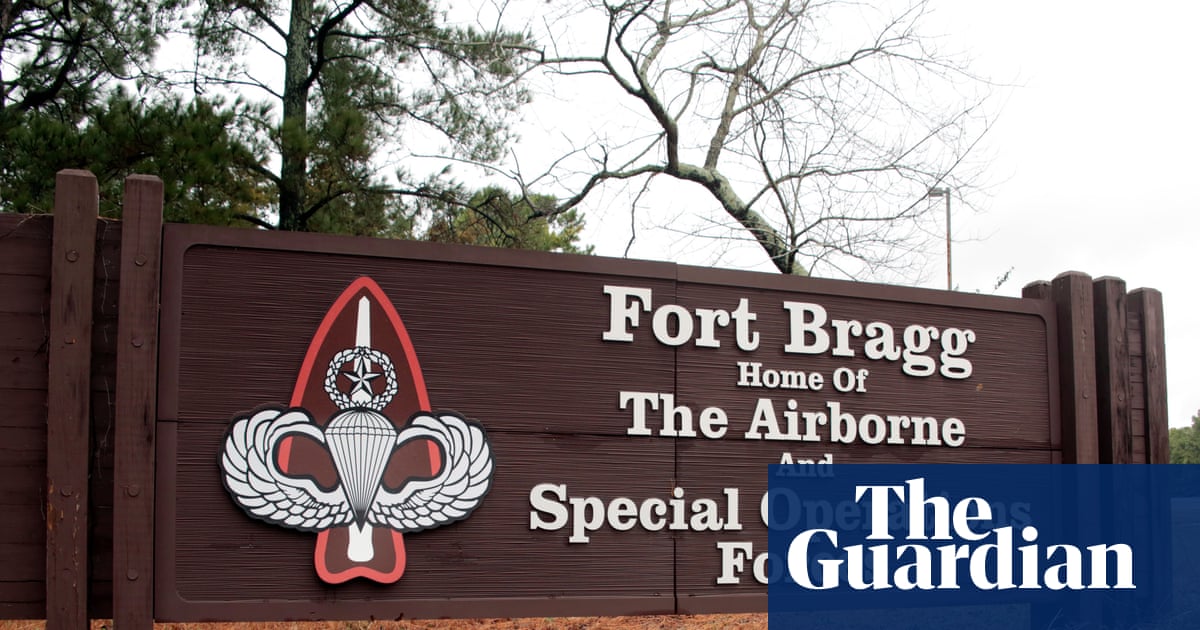
Ashbacher worked for a contractor providing security and emergency management services to the US Army at Fort Bragg, North Carolina. In this role, he held a top-secret clearance with access to sensitive compartmented information. His position granted him proximity to critical operational data, which prosecutors say he exploited by removing materials without authorization. The case is being investigated by the FBI’s Charlotte field office in coordination with the US Department of the Army’s Criminal Investigation Division.
The arrest highlights ongoing challenges in securing classified information among civilian contractors and military personnel. Ashbacher faces federal counts including unauthorized transmission of national defense information, unlawful retention of defense records, and theft of government property. These charges carry significant penalties if convicted, reflecting the severity with which the justice department treats breaches of national security.
This case follows a similar incident nearly two years ago involving Jack Teixeira, a Massachusetts Air National Guard member. Teixeira pleaded guilty to leaking highly classified military documents regarding Russia’s war in Ukraine on the social media platform Discord and was sentenced to 15 years in prison. The parallels between the two cases underscore the risks associated with digital communication channels used by individuals with security clearances.
While the specific content of Ashbacher’s leaked materials has not been fully detailed in public reports, the justice department emphasized that the data pertained to national defense. The fact that he attempted to contact users to remove the posts suggests an awareness of the illegality and potential harm caused by the disclosure. However, this subsequent action did not prevent his arrest or the filing of charges.
The recovery of the night-vision equipment adds a tangible dimension to the case, linking digital misconduct with physical theft of military assets. The goggles were part of a specialized system used by special operations forces, indicating that Ashbacher had access to high-value tactical gear. The combination of stolen hardware and leaked data presents a multifaceted breach of trust and security.
As the legal proceedings move forward, attention will focus on how Ashbacher obtained the materials and the extent of their dissemination. The involvement of multiple social media platforms complicates efforts to contain the spread of classified information. Authorities continue to monitor for any further leaks or related activities connected to this breach.
The case serves as a reminder of the stringent requirements placed on individuals with security clearances. Contractors working at major military installations like Fort Bragg are expected to adhere to strict handling procedures for classified information. Violations can result in severe criminal consequences, as demonstrated by both Ashbacher’s arrest and Teixeira’s prior sentencing.
Sources behind this briefing
Go to the original reporting
- The Guardian US↗FBI arrests North Carolina man for allegedly posting classified information on social media


