The short version
- Three fatalities occurred during or related to the recent festival, tripling the typical annual average of one death.
- Demographic data indicates a sharp decline in participants in their twenties and a corresponding increase in those in their forties and fifties.
- Authorities have ruled out foul play for two on-site deaths, while autopsies are pending to determine specific causes.
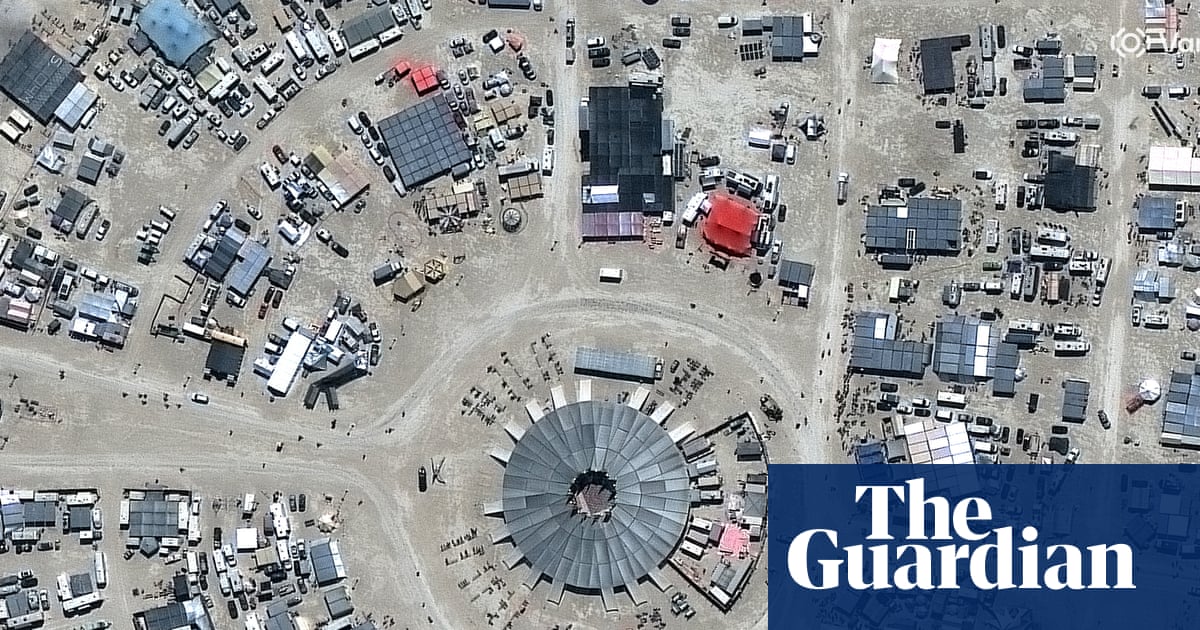
The annual gathering in the Nevada desert concluded with a notable rise in fatalities, marking a departure from historical trends. Three individuals died in connection with the event this year, tripling the average number of deaths typically associated with the festival. This increase has drawn attention to shifting demographic patterns among attendees, specifically an aging participant base that may face different health risks in the harsh desert environment.
Pershing County Sheriff Jerry Allen confirmed the toll, noting that two deaths occurred within the temporary city limits while a third individual died while being transported to a hospital in Reno. The first fatality was reported on the evening of September 3, when a man in his mid-fifties was found on a street within the festival grounds. Emergency responders administered CPR for several minutes before a doctor at the on-site medical facility, known as Rampart, pronounced him deceased.
A second death was reported two days later, on the afternoon of September 5. Authorities discovered a sixty-year-old man deceased inside a trailer he shared with his partner. Sheriff Allen’s office stated that there were no indications of foul play in either of these incidents. Both deaths took place at Black Rock City, an arid expanse of federally managed land located approximately one hundred twenty miles from Reno.
The third fatality occurred outside the immediate festival boundaries. Information regarding this death was referred to Washoe County authorities, where the county medical examiner’s office has not yet provided further details. The Pershing County Sheriff’s Office indicated that comprehensive information on all three deaths will become available in six to eight weeks, once autopsies and toxicology reports are finalized.
The rise in fatalities coincides with a significant demographic shift among festival-goers. Data from the annual census of Black Rock City reveals that the proportion of attendees in their twenties has dropped dramatically. In 2014, participants in this age group made up roughly thirty percent of the total crowd. By 2025, that figure had fallen to just ten percent.
Conversely, the share of attendees in their forties and fifties has increased substantially over the same period. This aging trend suggests a changing profile for the event, which was founded in San Francisco in 1986 as a countercultural art project. Over time, the festival has evolved into a destination for a more affluent and older demographic, including members of the global technology elite.
The physical demands of the Nevada desert environment may pose greater risks to an older population. The event attracts upwards of seventy thousand people who build a temporary community in brutal conditions characterized by extreme heat, dust storms, and limited infrastructure. While the festival emphasizes self-reliance and communal care, the physiological stressors of the playa can be severe for individuals less accustomed to such extremes.
This year’s statistics stand in contrast to previous years, including last year when a thirty-seven-year-old man was found dead in a pool of blood on the final day. Authorities investigated that incident as a homicide, marking the first known murder at the festival in nearly four decades. That case remains unsolved, highlighting the complex security challenges faced by organizers and local law enforcement.
The Burning Man Organization did not immediately respond to requests for comment regarding the three deaths this year. As investigations continue, officials are waiting for forensic results to determine the specific causes of death. The pending reports will provide clarity on whether environmental factors, medical conditions, or other variables contributed to the fatalities.
The implications of these trends extend beyond immediate safety concerns. An older attendee base may require different medical resources and emergency response protocols. Festival organizers and local authorities must consider how to adapt services to meet the needs of a demographic that is increasingly less likely to be in their twenties. The coming weeks will offer more data as toxicology results are released, potentially informing future safety strategies for the event.
Sources behind this briefing
Go to the original reporting
- The Guardian World↗Burning Man deaths this year triple the average as attendee age at Nevada’s desert festival ticks upward