The short version
- An Irish student died from electrocution while showering in a holiday rental on the Greek island of Kimolos, prompting calls for stricter appliance inspections.
- Police are investigating the property's wiring and water heater, noting potential failures in safety valves and questioning the validity of recent electrical certification.
- The victim's family intends to press criminal charges against local officials, including the mayor who certified the installation, as authorities review tourism accommodation standards.
A tragic incident involving an Irish teenager on the Greek island of Kimolos has ignited a broader conversation regarding electrical safety in seasonal tourist accommodations. Alex McKee, seventeen years old, died after receiving an electric shock while using a shower in a holiday home he was renting with his family. The event occurred shortly after their arrival on the island, marking a sudden and devastating end to what was intended as a brief visit to the birthplace of his mother.
According to medical professionals on the island, the bathroom where the incident took place was described as rudimentary and located outdoors. A local doctor recounted that McKee’s mother had felt a similar electrical surge when she called out to him, prompting her to immediately cut power at the mains. This quick action likely prevented further casualties, though the teenager succumbed instantly to the shock. His body was later transported to the mainland for a postmortem examination in Piraeus, which confirmed electrocution as the cause of death.
Greek police have launched an inquiry focused on the technical aspects of the property’s infrastructure. Investigators are examining the water heater and the building’s wiring for faults. An officer overseeing the Aegean region indicated that the house has been cordoned off and that an independent expert has been requested to inspect the electrical systems. Preliminary assessments suggest that the fusebox may have lacked a necessary safety valve, a critical component designed to prevent such accidents.
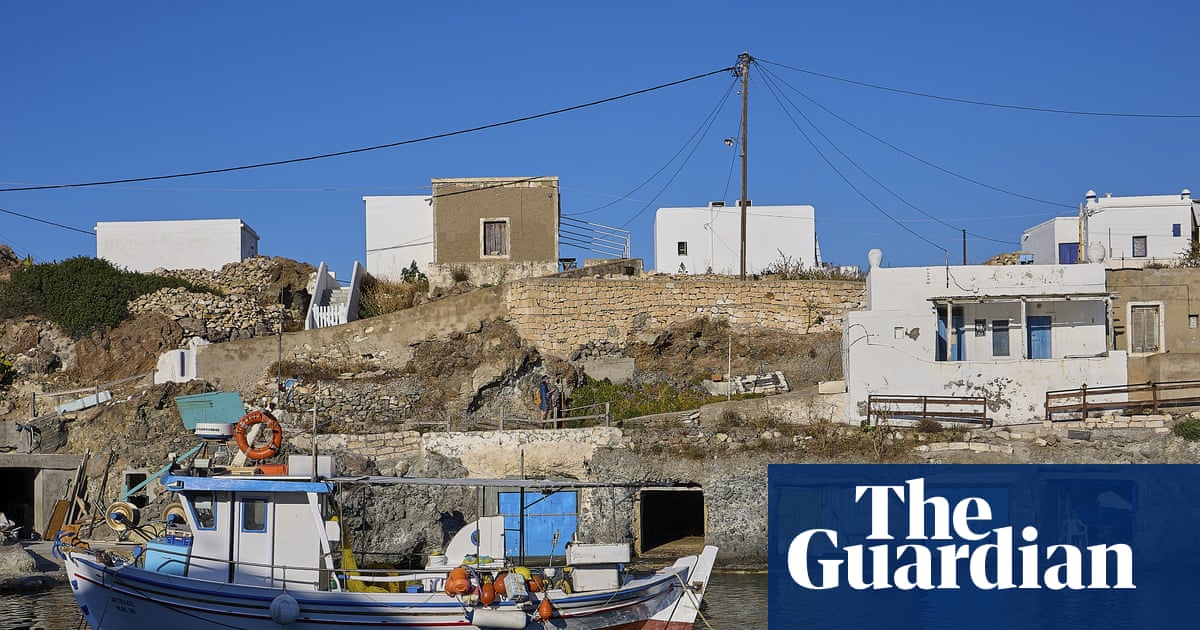
The property in question is a stone house built more than fifty years ago, which the family had visited regularly in previous years. The age of the structure raises concerns about whether older buildings are being adequately updated to meet modern safety standards, particularly given their use by international tourists who may not be aware of local infrastructure limitations. The incident has highlighted potential vulnerabilities in how holiday rentals are maintained and inspected.
Complicating the investigation is the role of local officials in certifying the property’s safety. Kostas Vendouris, the mayor of Kimolos, had signed off on the electrical installation certificate for this specific property in 2024. While the mayor expressed shock at the tragedy and noted that the small island community was mourning, the fact that he is a professional electrician who certified the work has drawn scrutiny. Police are now investigating the validity of that certification document.
The victim’s family has indicated they will pursue legal action against those responsible. Their lawyer stated that the current mayor faces significant criminal responsibility for the incident. This move underscores the severity with which the family views the failure of safety protocols and the potential negligence involved in certifying a hazardous installation. The legal proceedings are expected to examine whether proper due diligence was conducted before the certificate was issued.
Beyond the immediate legal and investigative responses, the tragedy has resonated within the Greek tourism sector. As visitor numbers continue to rise, ensuring the safety of accommodation is paramount for the industry’s reputation and sustainability. Calls for tighter checks on appliances in tourist rentals have grown louder following this event. Authorities are now under pressure to review how electrical standards are enforced across seasonal properties, particularly on smaller islands where resources may be limited.
McKee was a fifth-year student from Cork who had gained recognition for his academic achievements. He had collaborated with classmates to develop an innovative communication system for individuals with nonverbal autism, earning awards at the Young Scientist and Technology Exhibition. Local politicians paid tribute to his talent and potential, emphasizing the loss of a young person with a promising future ahead. His death serves as a stark reminder of the risks associated with inadequate safety measures in travel destinations.
As the investigation continues, attention remains on the findings of the independent expert inspecting the wiring. The outcome will likely influence broader policy discussions regarding rental property regulations in Greece. For now, the focus is on determining exactly how the electrical fault occurred and who bears responsibility for allowing a dangerous condition to persist in a space rented to visitors. The case highlights the intersection of tourism growth, infrastructure maintenance, and regulatory oversight.
The incident has plunged the small community of Kimolos into mourning, with fewer than one thousand residents affected by the loss. While the island relies heavily on tourism, this tragedy forces a reevaluation of how safety is prioritized in the rush to accommodate increasing numbers of visitors. The coming weeks will see whether this case leads to systemic changes in how holiday homes are inspected and certified, potentially setting new standards for tourist safety across the region.
Sources behind this briefing
Go to the original reporting
- The Guardian US↗Safety check calls after Irish teenager electrocuted taking shower in Greece

