The short version
- Nigel Farage won the Clacton by-election with over 22,000 votes after rival parties declined to field candidates.
- The Metropolitan Police continue investigating Reform UK donations for potential concealment of impermissible funds.
- Parliamentary officials are examining why a five-million-pound gift from a billionaire donor was not registered.
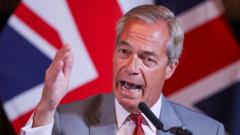
Nigel Farage has secured a decisive victory in the Clacton by-election, winning with 22,239 votes. The result confirms his continued popularity in the constituency he previously represented, although the race lacked serious opposition as major political parties chose not to put forward candidates. Farage did not attend the count to celebrate the outcome, citing concerns about an organized campaign designed to disrupt the event and humiliate him. Instead, he addressed supporters remotely, framing the win as a rejection of the political establishment.
The by-election was triggered by Farage’s own resignation from Parliament last month. He stated that voters should judge his actions and that he wished to continue the political revolution initiated by Reform UK. The contest involved a record number of candidates, resulting in an unusually long ballot paper. One prominent challenger appeared dressed as a bin, adding to the unusual nature of the race. Despite the lack of traditional opposition, the result was widely viewed as predictable given Reform UK’s strong position in national opinion polls over the past year and a half.
While the electoral victory bolsters Farage’s standing within his party, it does not resolve ongoing legal and ethical inquiries surrounding his finances. The Metropolitan Police have been investigating large donations to Reform UK for more than a year. Authorities are examining allegations that the party may have concealed or disguised donations from impermissible sources or used false information regarding contributions. Two individuals have been interviewed in connection with the probe, but no arrests have been made. Reform UK sources maintain that no party officials have been questioned by police.
Separately, parliament’s standards commissioner is investigating why Farage did not register a £5 million gift received from Christopher Harborne, a Thailand-based cryptocurrency billionaire and donor to Reform UK. The money was first revealed earlier this year. Farage has described the transfer as an unconditional gift, offering various explanations for its purpose, including compensation for his role in Brexit and funding for lifelong personal security. He maintains that he followed all rules and has done nothing wrong, characterizing the parliamentary inquiry as a political tool.
The investigation into the Harborne gift is expected to continue for several months. Parliamentary procedures require thorough examination of unregistered donations, particularly those of significant magnitude. The standards watchdog has not yet concluded its review, leaving the matter unresolved despite Farage’s assertions of compliance. The lack of registration raises questions about transparency in political funding, a topic that has drawn increased scrutiny across British politics in recent years.
Additional concerns have emerged regarding Farage’s association with George Cottrell, a convicted fraudster known as Posh George. Cottrell admitted to wire fraud charges in the United States in 2017. Reports indicate he provided financial support for Farage’s security and social media staff, including access to a luxury flat near Buckingham Palace. The Sunday Times first revealed these connections. While parliament’s standards watchdog has not confirmed whether this relationship is under investigation, Farage has denied any wrongdoing and suggested legal action against the newspaper.
The cost of the by-election has also drawn criticism. Clacton contains some of the most deprived neighborhoods in England, yet taxpayers are estimated to bear a £250,000 bill for organizing the vote. Reform UK offered to cover these expenses, but electoral law prohibits such payments. Critics from Labour and the Conservative parties have argued that Farage triggered the race to avoid scrutiny or due to personal frustration. Regardless of motive, the financial burden on local resources remains a point of contention.
As the immediate election concludes, attention shifts back to the unresolved investigations. Both the police inquiry into Reform UK donations and the parliamentary review of the Harborne gift are likely to proceed independently of the electoral outcome. These probes could take many months to reach final conclusions. For now, Farage’s political position appears strengthened by the vote, but the legal and ethical questions surrounding his finances remain open and unresolved.
The situation highlights broader tensions in UK politics regarding campaign finance transparency and accountability. While Reform UK has grown into a mass-membership movement with a realistic chance of entering government, its leadership faces persistent challenges related to donor disclosures. The coming months will likely see continued legal proceedings and public debate over the integrity of political funding mechanisms.
Observers note that the by-election served as a referendum on Farage’s personal standing rather than a test of party policy. With no major opponents, the result reflects local support more than national trends. However, the ongoing investigations ensure that financial scrutiny will accompany any future political advancements for Reform UK and its leader.
Sources behind this briefing
Go to the original reporting
- BBC News↗Farage's by-election victory won't stop questions about finances

