The short version
- Nigel Farage is poised to win his Clacton seat in a byelection featuring a record number of candidates but no major party opposition.
- The victory comes as the parliamentary standards watchdog resumes its investigation into allegations regarding undeclared financial gifts and support.
- A potential suspension from the House of Commons could trigger a second byelection, allowing mainstream parties to contest the seat.
Voting has concluded in the Clacton byelection in Essex, positioning Reform UK leader Nigel Farage for a decisive victory. The contest was characterized by an unusual lack of traditional political competition, with all major parties declining to field candidates. Instead, Farage faced a crowded field of thirty-four hopefuls, including twenty independents and representatives from minor or novelty groups. This turnout sets a new record for candidate numbers in a UK byelection, surpassing the previous high set in Haltemprice and Howden in 2008.
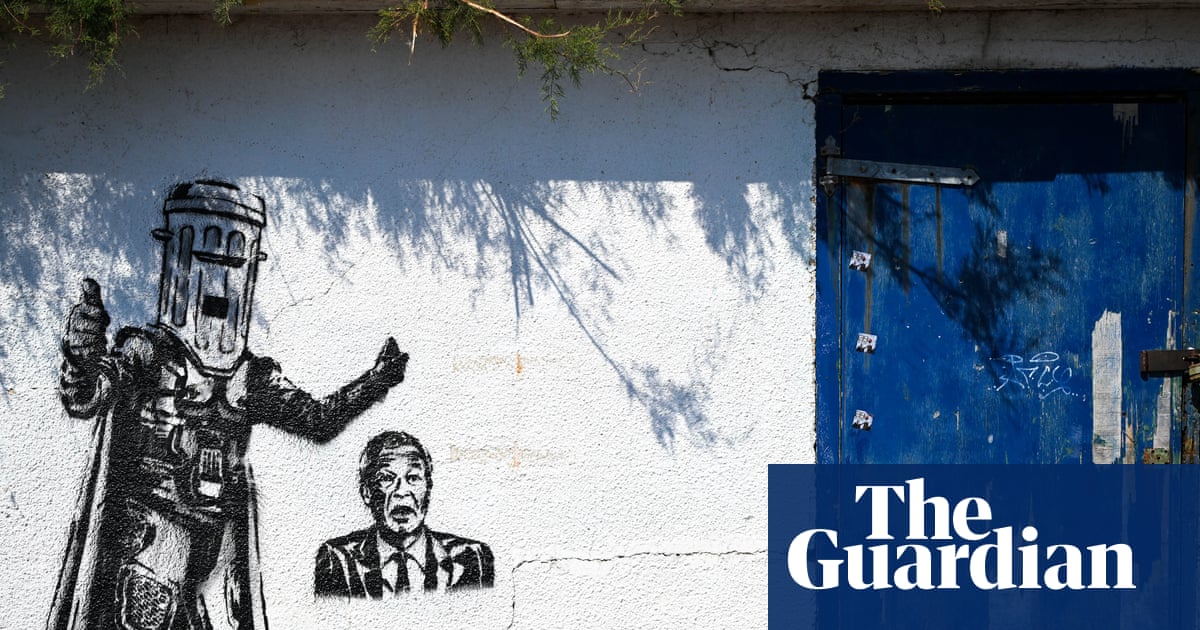
The most prominent opponent to Farage is Count Binface, a self-described campaigning alien associated with the Official Monster Raving Loony party. With no mainstream rivals to challenge him, the outcome appears predetermined. The primary uncertainty surrounding the result lies not in who will win, but in the size of Farage’s majority and the overall voter turnout. Reform UK is expected to frame the result as a strong endorsement of Farage’s leadership and his strategy in calling the byelection.
Farage initiated this early July vote to regain political momentum after weeks of intense scrutiny regarding his financial affairs. He positioned the contest as a referendum on mainstream politics, framing it as a battle between the people and the establishment. However, the absence of major party candidates undermined this narrative, leaving him to compete against a diverse array of fringe contenders rather than established political rivals. The result is widely viewed as an empty victory in terms of broader political realignment.
Despite the local win, significant national questions remain regarding Farage’s compliance with parliamentary standards. The parliamentary standards watchdog has paused its investigation into allegations that he failed to declare certain gifts and donations. This inquiry will resume once Farage is re-elected to his seat. Central to the probe is a five-million-pound gift from cryptocurrency billionaire Christopher Harborne, which was first reported by The Guardian.
Farage has maintained that the donation from Harborne did not require declaration because it was provided before he resumed his role as Reform UK leader ahead of the 2024 election. He has offered various explanations for the funds, suggesting they were intended for security purposes and as a reward for his work on Brexit. The watchdog is examining whether these justifications align with parliamentary rules regarding transparency and financial disclosure.
The investigation also extends to allegations involving George Cottrell, a convicted fraudster and cryptocurrency gambler who is a close friend of Farage. Reports indicate that Cottrell provided financial support that included security personnel and social media staff. These individuals allegedly worked on Farage’s online content in the year leading up to his election. The inquiry seeks to determine if this support constituted undeclared donations or improper influence.
The stakes of the investigation are high for Farage’s political future. If the watchdog finds that he breached declaration rules, he could face suspension from the House of Commons. Such a suspension would trigger another byelection in Clacton. Unlike the current contest, a second election would likely see major parties fielding candidates, potentially altering the political landscape of the constituency significantly.
During the campaign period, Farage has been less visible on the national stage compared to previous periods. This reduced presence is partly attributed to broadcasting rules that require balance during election coverage. He has stated that he enjoyed the process of engaging directly with constituents in his Essex seat. However, the lack of major party opposition means the byelection offers limited insight into shifting voter preferences across the wider political spectrum.
The result will be announced on Friday morning. While Reform UK will celebrate the win as a validation of Farage’s approach, critics may focus on any signs of low turnout or a narrower-than-expected majority. The immediate political impact is muted due to the nature of the opposition, but the ongoing financial investigation ensures that Farage’s position remains precarious regardless of the local election outcome.
This byelection highlights the complexities of modern political accountability in the UK. While Farage secures his seat with ease, the shadow of potential sanctions looms large. The interplay between local electoral success and national regulatory scrutiny creates a unique scenario where a clear victory does not equate to political security. The coming weeks will reveal whether the parliamentary inquiry leads to further disruptions for the Reform UK leader.
Sources behind this briefing
Go to the original reporting
- The Guardian World↗Nigel Farage set for decisive but arguably empty victory in Clacton

