The short version
- Nigel Farage secured victory in the Clacton byelection with over sixty percent of the vote, defeating a satirical candidate as all major political parties boycotted the contest.
- The election was triggered by Farage to address controversies surrounding a five-million-pound gift from a cryptocurrency billionaire, though formal investigations into his financial affairs are set to resume immediately.
- Security concerns and logistical challenges marked the event, including heavy police presence at the counting venue and record-breaking ballot complexity due to thirty-four candidates.
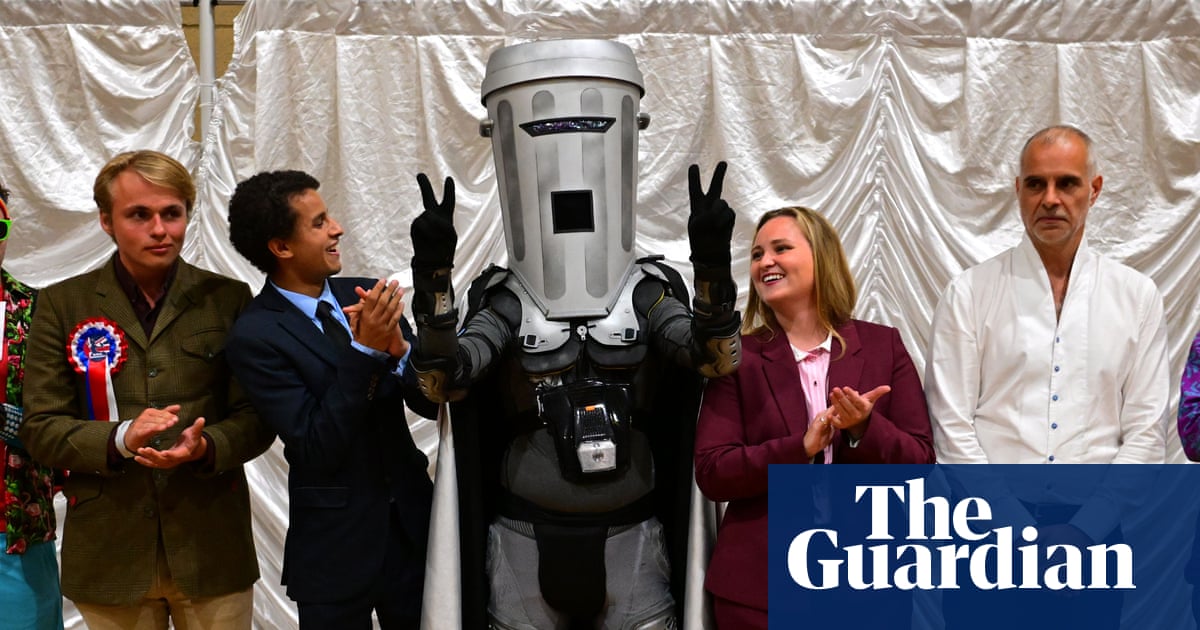
Nigel Farage has retained his parliamentary seat for Clacton following a byelection that was characterized by the absence of all major political parties. The Reform UK leader secured victory with twenty-two thousand two hundred thirty-nine votes, representing sixty-three point three four percent of the total cast. His closest competitor was Count Binface, a parody candidate described as an intergalactic rubbish bin, who received nine thousand four hundred fifty-five votes or twenty-six point nine three percent of the tally. The turnout for this unusual contest stood at forty-four percent.
The byelection was initiated by Farage in July, a move widely interpreted as an attempt to deflect attention from intensifying scrutiny regarding his financial dealings. Central to these concerns is a five-million-pound gift received from Christopher Harborne, a cryptocurrency billionaire. Despite the electoral win, the victory does not resolve the underlying questions about Reform UK’s funding sources. A formal inquiry by the parliamentary standards watchdog into the nature of this gift is scheduled to restart shortly after the election results were confirmed.
Major political parties declined to participate in the contest, labeling it a vanity project and a media circus rather than a serious democratic exercise. This boycott left the field open for independent and novelty candidates, resulting in a record-breaking thirty-four contenders vying for the coastal seat. The sheer number of participants created logistical hurdles, including the use of the longest ballot paper in British electoral history, which complicated the counting process for tellers at the venue.
Farage did not attend the vote count at the Clacton leisure centre, citing security concerns raised by Essex police regarding a potential plot to embarrass him during the announcement. Instead, he appeared at a separate event known as Farage Fest, held on the rural outskirts of the constituency. The counting hall itself saw a significant security operation, with bag checks and metal detectors installed at entrances. Local council officials confirmed that robust policing measures were in place but declined to comment specifically on the nature of the threats.
Prior to this byelection, Farage had been elected as the member for Clacton in 2024, winning with a majority of eight thousand four hundred votes and capturing forty-six point two percent of the vote. In that previous election, the Conservatives finished second and Labour third. The current result represents a significant shift in the local political landscape, largely due to the absence of traditional party competition. Polling conducted just before the election suggested Farage would secure seventy-five percent of the vote, with Count Binface trailing at twenty percent, figures that aligned closely with the final outcome.
Beyond the immediate financial controversy involving Harborne, additional investigations are underway regarding Farage’s associations with George Cottrell, a convicted fraudster. The Metropolitan Police have opened an inquiry into donations made to Reform UK, adding another layer of complexity to the leader’s public standing. These parallel probes suggest that the electoral victory may not shield the party from prolonged legal and ethical examinations.
The campaign featured a stark contrast between Farage’s serious political ambitions and the satirical nature of his main challenger. Count Binface, created by comedian Jon Harvey, emerged as the strongest opposition simply because established parties refused to engage. This dynamic turned the election into a referendum on Farage’s personal resilience rather than a debate on policy or governance. The heavy security presence and the unusual candidate field underscored the fragmented state of British politics in this specific constituency.
As the dust settles on the Clacton byelection, attention now shifts to the resumption of the parliamentary standards investigation. The timing of the inquiry’s restart, scheduled for Friday, indicates that regulatory bodies are proceeding with their duties regardless of electoral outcomes. For Farage and Reform UK, the challenge remains navigating these ongoing investigations while maintaining political momentum in a landscape where traditional opposition has withdrawn from direct engagement.
The event highlighted broader tensions within the UK political system regarding financial transparency and party conduct. While Farage declared victory before the final count was completed, the lack of major party participation limits the result’s significance as a mandate for his policies. Instead, it serves as a snapshot of a moment where scandal, satire, and security concerns converged in a single electoral contest.
Future developments will likely depend on the findings of both the parliamentary standards watchdog and the Metropolitan Police. Until those investigations conclude, the financial controversies surrounding Reform UK are expected to remain a central issue in national discourse. The Clacton result, while decisive for Farage personally, does not appear to have resolved the deeper institutional questions raised by his rise to prominence.
Sources behind this briefing
Go to the original reporting
- The Guardian World↗Nigel Farage wins Clacton byelection in contest boycotted by every other major party

