The short version
- Nigel Farage rejected an olive branch from Restore Britain leader Rupert Lowe, accusing him of bad faith and past misconduct within the party ranks.
- Restore Britain has gained electoral traction in recent local contests, posing a significant threat to Reform UK by splitting the right-wing vote base.
- Ideological differences regarding ethnonationalist policies and the inclusion of former Tory ministers make a formal alliance highly improbable for both parties.
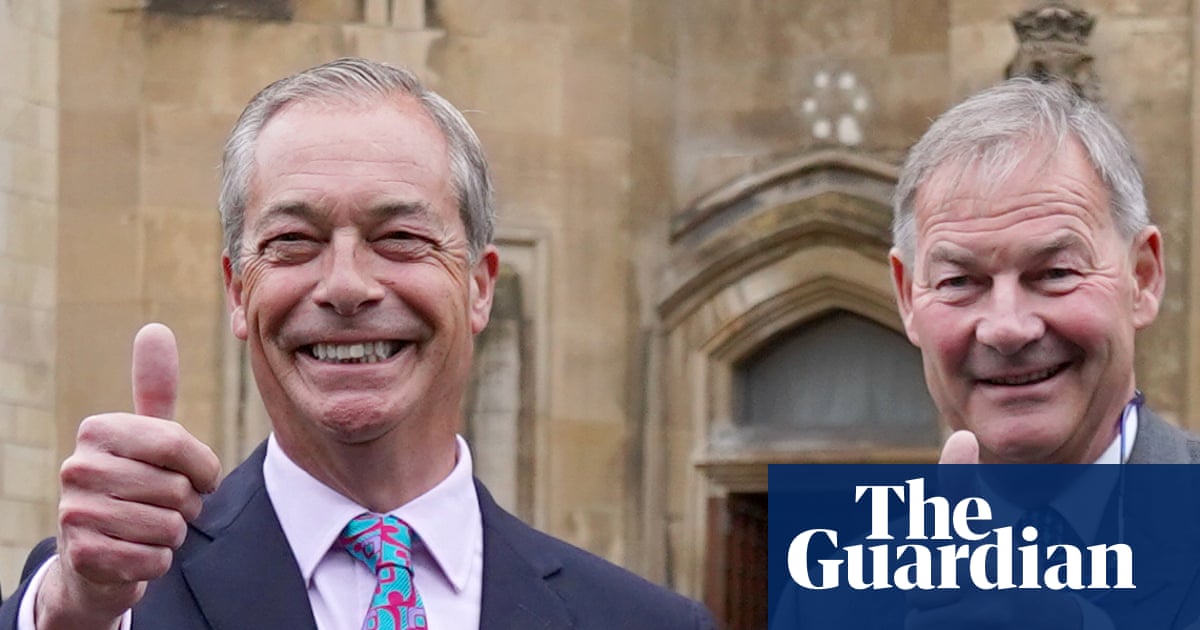
Tensions between Britain’s two leading right-wing political movements escalated sharply this week after Nigel Farage publicly rebuffed an overture from Rupert Lowe, the leader of Restore Britain. The exchange began when Lowe released a video message suggesting that both groups should set aside personal grievances and historical disagreements to collaborate for national benefit. Despite being suspended by Reform UK in March 2025 before launching his own party, Lowe framed the proposal as a necessary step to consolidate conservative support. Farage, however, responded with skepticism during a press conference, questioning the sincerity of the offer and citing past instances where Lowe allegedly threatened colleagues while still within Reform’s ranks.
The dispute underscores the growing strategic dilemma facing Farage as he seeks to broaden his party’s appeal beyond its current base. Restore Britain has demonstrated surprising electoral resilience in recent months, finishing fourth in the Greater Manchester mayoral election ahead of established parties like the Liberal Democrats and Conservatives. It also secured third place in the Makerfield byelection, marking one of the strongest performances by a non-mainstream party in Westminster politics since 2010. These results indicate that Restore is no longer a fringe entity but a tangible obstacle capable of siphoning votes from Reform in a general election.
Substantive policy differences further complicate any potential merger or cooperation. Restore Britain advocates for measures such as a referendum on capital punishment, bans on halal and kosher slaughter methods, and deportation policies rooted in ethnonationalist views of British identity. Such positions are widely viewed as incompatible with Reform UK’s strategy to attract center-right voters who may be alienated by more extreme stances. Additionally, Lowe has demanded that former Conservative ministers currently serving in Reform, including Robert Jenrick, be excluded from any future government coalition, a condition that appears unlikely to be met given their established roles within Farage’s organization.
Analysts suggest that Lowe’s move serves multiple purposes beyond genuine reconciliation. By extending an offer of unity, he deflects criticism that his party is unnecessarily fragmenting the right-wing vote while simultaneously highlighting the difficulties Farage faces in consolidating power. The maneuver places additional pressure on Reform UK at a time when its leader is already navigating scrutiny over financial matters and internal cohesion. With Reform’s annual conference approaching, the unresolved rift between these two factions casts uncertainty over the future landscape of British conservatism and the viability of either group in upcoming national elections.
Sources behind this briefing
Go to the original reporting
- The Guardian World↗Rupert Lowe’s ‘olive branch’ to Farage piles more pressure on Reform leader