The short version
- Nigel Farage stated he intends to bring Tom Homan, a key immigration adviser to Donald Trump, to the United Kingdom to assist with border security measures.
- The Reform UK leader criticized European media for portraying the Trump administration negatively and called for a more pragmatic approach to US foreign policy.
- Farage maintained his opposition to Irish unification despite recent comments from the US president suggesting support for a united Ireland.
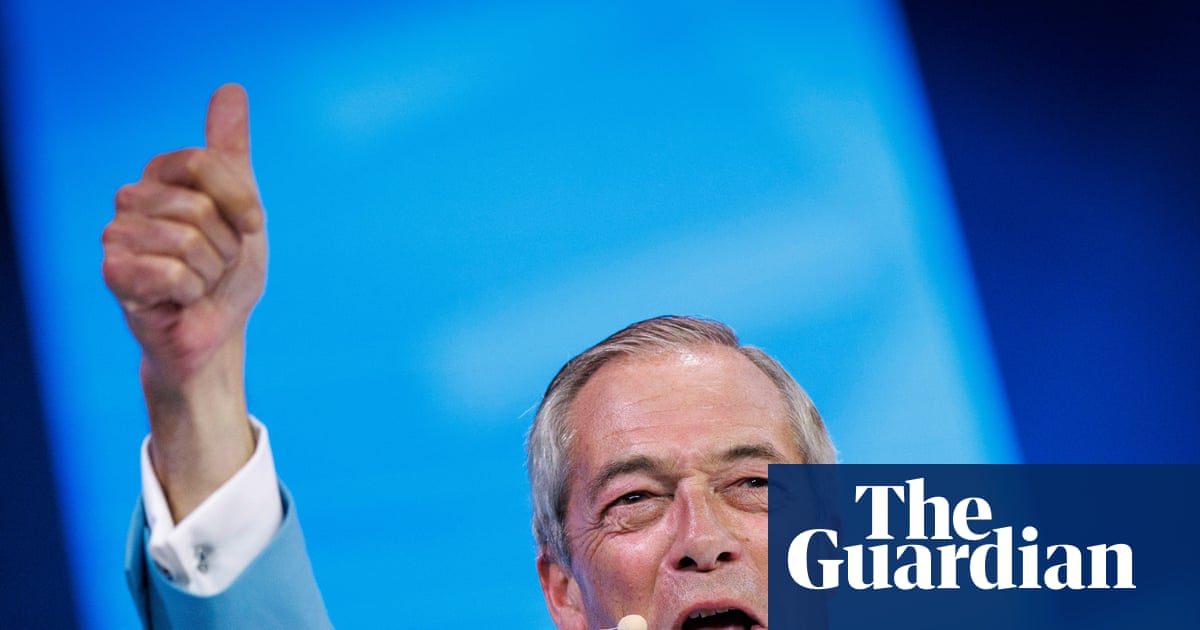
Nigel Farage, the leader of Reform UK, has publicly declared his intention to recruit Tom Homan, a senior adviser on immigration enforcement for Donald Trump, to help manage border security in the United Kingdom. Speaking at an event in the United States where Homan was also present, Farage described the plan as a strategy to 'hijack' the official and bring him back to Britain. This proposal aligns with Reform UK’s broader platform, which advocates for significantly stricter immigration controls than those offered by mainstream political parties, including promises of mass deportations and the use of naval forces to intercept migrant vessels in the English Channel.
Homan is a central figure in the Trump administration’s approach to Immigration and Customs Enforcement, an agency that has faced intense scrutiny regarding its enforcement tactics. Data tracking gun violence indicates that ICE agents have been involved in numerous fatal shootings since Trump assumed office last year, including two incidents in July alone. These events have drawn criticism for the agency’s aggressive posture. Homan previously played a role in designing stringent measures during Trump’s first term, notably the family separation policy, which was later characterized as excessively severe even by officials from the preceding Obama administration.
The context of Homan’s current role involves efforts to manage tensions following a crackdown in Minneapolis earlier this year. Trump brought Homan in to help de-escalate the situation, marking a shift toward a more hands-on management style for immigration policy. Farage has previously interviewed Homan on his GB News program, praising the adviser’s uncompromising stance and deportation records while acknowledging that such methods generate significant backlash. The Reform UK party has not yet clarified whether it intends to replicate the specific enforcement styles associated with ICE, which have been widely criticized for their brutality.
Beyond immigration policy, Farage used the platform to address broader transatlantic relations. He urged European nations and the United Kingdom to adopt a more sensible perspective on the Trump administration, arguing that traditional mainstream media outlets unfairly depict the president’s agenda as villainous. This stance marks a shift from earlier comments in April, when Farage suggested he had not communicated with Trump for several months and expressed doubts about the president’s judgment regarding military actions in Iran. The current diplomatic climate between Washington and London is strained due to disagreements over Iran and policy toward Israel, particularly since Andy Burnham succeeded Keir Starmer as prime minister.
Burnham is scheduled to meet with Trump in New York next week, a development that carries symbolic weight given the US president’s previous characterization of Burnham as extremely liberal. Despite this ideological framing, Trump has acknowledged Burnham’s potential willingness to expand oil drilling in the North Sea, suggesting areas where cooperation might emerge. Farage’s recent trip to the United States occurs against this backdrop of complex diplomatic negotiations and shifting alliances between the two governments.
Farage also clarified his position on Northern Ireland, diverging from Trump’s recent remarks expressing a desire for a united Ireland. He emphasized that Northern Ireland remains an integral part of the United Kingdom and stated that its people do not support a referendum or unification. This assertion reinforces Reform UK’s commitment to maintaining the current constitutional arrangement, even as other political figures explore different diplomatic avenues.
The proposal to bring Homan to the UK highlights the increasing influence of American immigration rhetoric on British politics. While Reform UK has committed to hardline policies, the practical implications of adopting US-style enforcement remain unclear. Critics point to the controversies surrounding ICE’s operations, including fatal encounters and family separations, as evidence that such methods may carry significant human rights costs. Supporters, however, view these measures as necessary for maintaining border integrity.
As Burnham prepares for his first meeting with Trump, the dynamics of UK-US relations will likely be tested further. Issues ranging from energy policy to international conflict resolution will require careful navigation. Farage’s comments serve as a reminder of the ideological currents shaping political discourse on both sides of the Atlantic, particularly regarding immigration and national sovereignty.
The reaction within the UK political establishment to Farage’s proposal remains to be seen. Mainstream parties have generally distanced themselves from the most extreme elements of Trump’s agenda, focusing instead on diplomatic engagement and multilateral solutions. However, the popularity of hardline immigration rhetoric continues to resonate with certain voter demographics, keeping these debates at the forefront of public discourse.
Future developments will depend on how both governments handle their upcoming interactions and whether the proposed recruitment of Homan gains traction within UK policy circles. The intersection of domestic immigration concerns and international diplomacy presents a complex challenge for leaders seeking to balance national security with global responsibilities.
Sources behind this briefing
Go to the original reporting
- The Guardian World↗Farage says he wants to ‘hijack’ Trump’s ICE czar to help secure UK border

