The short version
- A fan-made port titled Shadowkey: Reforged allows players to run the 2004 mobile game on Windows, Mac, and Android without emulation.
- The project utilizes artificial intelligence to generate high-resolution assets and assist with engine coding while retaining original game logic.
- Players can choose between a faithful classic mode and a modernized version featuring improved AI, fast travel, and quality-of-life updates.
A dedicated community effort has successfully ported The Elder Scrolls Travels: Shadowkey, a largely forgotten role-playing game originally released for the Nokia N-Gage in 2004, to modern personal computers. Titled Shadowkey: Reforged, this free project enables fans to experience the obscure entry without requiring original hardware or third-party emulators. The release marks a significant step in preserving niche gaming history by making an otherwise inaccessible title playable on contemporary operating systems including Windows, macOS, and Android.
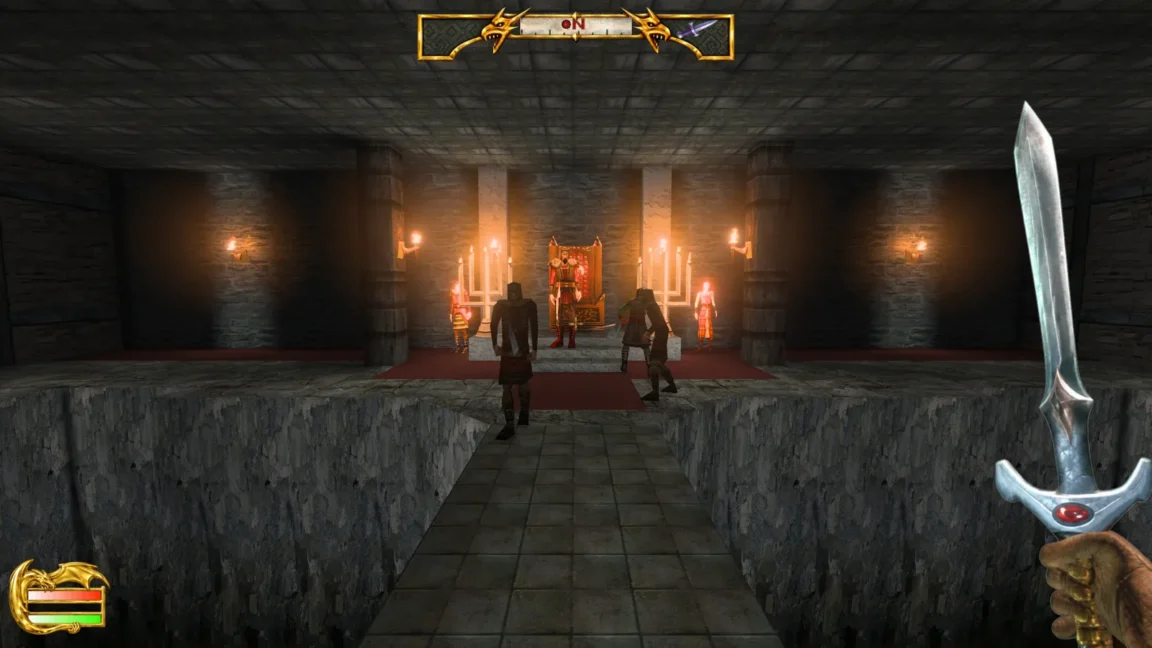
The transition from early-2000s mobile technology to current PC standards required substantial technical overhaul. The original game was constrained by the N-Gage’s limited processing power and small portrait-oriented screen, which displayed graphics at a resolution of 176 by 208 pixels. Reforged replaces the outdated graphical engine with a completely rewritten system capable of rendering scenes in 4K resolution. This upgrade expands the visual field to a standard 16:9 aspect ratio, allowing for smoother performance that can reach up to 120 frames per second, even though the underlying game logic remains tied to the original 25 fps framework.
Visual enhancements extend beyond simple resolution scaling. The port introduces retextured models for both characters and environments, addressing the low-fidelity assets that defined the mobile version. Additional graphical improvements include bloom lighting effects, dynamic water ripples, and a refined user interface with sharper text rendering. These changes aim to modernize the aesthetic experience while maintaining the structural integrity of the original design, ensuring that the game’s core identity remains recognizable despite the technological leap.
The project’s developer, Dan Whelan, has been transparent about the tools used in this reconstruction. He acknowledges utilizing artificial intelligence to assist with coding tasks, engine construction, and debugging processes. Furthermore, AI played a central role in generating the majority of the new high-resolution artwork. This approach has allowed for rapid iteration, moving from an initial playable version in late October to a fully featured release build within weeks. The current version number suggests that development is ongoing, with daily updates continuing to refine the experience.
Players are presented with two distinct modes when launching the game. The Classic mode adheres strictly to the original program’s rules, quests, and dialogue, providing an authentic representation of the 2004 release. In contrast, the Modern mode introduces several gameplay alterations designed to align with contemporary expectations. These additions include smarter enemy artificial intelligence, a fast travel system, searchable containers, and fall damage mechanics. Quality-of-life improvements such as controller rumble support and adjusted death animations further distinguish this mode from its predecessor.
Accessing the game requires users to provide their own copy of the original Shadowkey files. The port does not distribute copyrighted material but instead functions as a wrapper that reads legitimate game data obtained by the user. This model ensures compliance with intellectual property norms while facilitating preservation. For collectors and historians, this method offers a practical solution to the hardware obsolescence that threatens many early mobile titles, allowing them to be experienced without relying on fragile or discontinued devices.
Despite these technical advancements, the fundamental limitations of the original design remain evident. The game’s narrative structure, combat mechanics, and overall pacing reflect the constraints of pre-smartphone mobile gaming, which contributed to its middling critical reception upon initial release. Reforged does not alter these core elements in Classic mode, meaning that players seeking a modern AAA experience may still find the gameplay archaic. However, for enthusiasts interested in the complete history of The Elder Scrolls franchise, this port fills a notable gap in the series’ extensive catalog.
The availability of Shadowkey: Reforged provides a tangible distraction for fans awaiting the next major installment in the series. With official releases often spaced years apart, community-driven projects like this one help sustain interest and engagement within the player base. By bridging the gap between legacy content and modern hardware, the project demonstrates how fan initiatives can contribute to cultural preservation. It offers a unique opportunity to explore a rarely discussed chapter of gaming history in a format that is both accessible and visually updated.
As development continues, the project serves as a case study in the evolving relationship between artificial intelligence and game preservation. While some may harbor reservations about AI-generated content, the practical benefits of accelerated asset creation and code optimization are clear. The success of Reforged highlights how technology can be leveraged to rescue forgotten media from digital decay. For now, it stands as a functional, free alternative for those wishing to complete their collection of Elder Scrolls adventures without investing in obsolete hardware.
Sources behind this briefing
Go to the original reporting
- Ars Technica↗The Elder Scrolls' most obscure adventure gets a 4K PC makeover