The short version
- Clancy's mother and sister testified that she exhibited severe paranoia and expressed fears of harming her children prior to the incident.
- The defense attributes the killings to postpartum psychosis and bipolar disorder, arguing Clancy lacks criminal responsibility due to mental illness.
- Prosecutors maintain that Clancy planned the murders by sending her husband away, citing normal daily activities on the day of the tragedy.
The murder trial of Lindsay Clancy entered its fourth week with testimony from her mother and sister, who detailed a rapid deterioration in their daughter's mental health during the months leading up to the deaths of her three children. Paula Musgrove, Clancy’s mother, described a shift from a dedicated parent to someone consumed by anxiety, paranoia, and suicidal ideation beginning in October 2022. This timeline places the onset of severe symptoms approximately three months before Clancy strangled her children and attempted suicide on January 24, 2023.
Musgrove recounted receiving a desperate text message from Clancy during that initial period of decline. The message conveyed intense fear and insomnia, with Clancy stating she felt sick and unsure how to survive the day. She expressed concern that prescribed anxiety medication was worsening her condition rather than alleviating it. Musgrove noted that her daughter became afraid to sleep alone and began believing that the treatments intended to help her were instead destroying her mind.
The situation appeared to escalate further in December 2022, according to Musgrove’s account. She described a moment in the kitchen where Clancy, standing with her then-husband Patrick, nervously disclosed that she had thoughts of harming their children. This admission marked a significant intensification of the family's concerns. Musgrove, who traveled from Connecticut to stay with her daughter in Massachusetts during this period, observed these changes firsthand, providing the jury with a personal perspective on Clancy’s internal state before the tragedy.
Defense attorney Kevin Reddington does not contest that Clancy killed her children. Instead, the legal strategy centers on the argument that she should not be held criminally responsible due to postpartum psychosis. The defense characterizes this rare condition as a result of hormonal changes, sleep deprivation, and stress following childbirth. Reddington also cited bipolar disorder and argued that antidepressants prescribed after the birth of her third child exacerbated her mental instability, rendering her unable to form criminal intent.
Witnesses for the defense highlighted Clancy’s efforts to seek professional help, including self-admission to a psychiatric hospital. However, they also pointed out inconsistencies in her treatment adherence, noting that she sometimes refused prescribed medications for insomnia and depression. Concerns about addiction to certain drugs were also raised. The defense argued on cross-examination that Clancy was overmedicated and suffered from fragmented care, with medical providers failing to communicate effectively or share critical notes about her condition.
The prosecution has presented a contrasting narrative, arguing that Clancy planned the killings meticulously. They contend she contrived to remove her husband from the home by sending him to purchase takeout and visit a pharmacy. To counter the defense’s portrayal of severe psychosis, prosecutors introduced evidence showing Clancy engaging in routine activities on the day of the murders. This included taking the children to a doctor’s appointment and playing with them in the snow, suggesting a level of functionality inconsistent with acute psychotic episodes.
Medical experts testifying for the prosecution stated they never observed signs of mania or psychosis in Clancy, despite her repeated expressions of suicidal feelings. The defense challenged the seriousness of her suicide attempt and highlighted systemic failures in her care, such as being discharged from a facility after only one day. Another instance involved denial of higher-level care because she could not demonstrate a specific suicide plan, according to defense arguments.
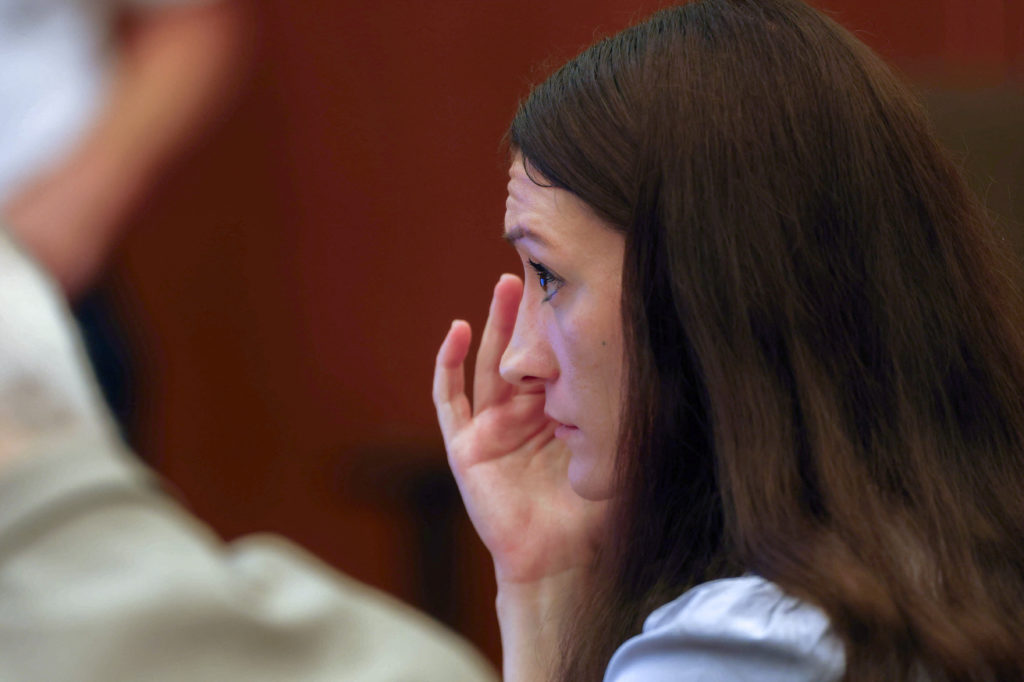
Patrick Clancy’s testimony provided a harrowing account of discovering the bodies. Prosecutors played a seven-minute 911 call in which he can be heard checking on Lindsay in the backyard before descending to the basement where the children were found. His screams and howls were audible as he relayed the horror to dispatchers. While Clancy has not taken the stand, jurors have witnessed her emotional breakdowns, including sobbing when autopsy photos of the children were displayed.
The jury continues to weigh conflicting accounts of Clancy’s mental state and intent. The defense emphasizes a medical crisis driven by untreated or mismanaged postpartum psychosis, while the prosecution focuses on premeditation and normal behavior preceding the violence. As the trial progresses, the determination of criminal responsibility will hinge on whether the jurors accept the diagnosis of insanity or view the actions as deliberate crimes.
This case underscores broader challenges in treating severe mental health conditions, particularly postpartum disorders. The disjointed nature of Clancy’s care and the difficulty in securing appropriate treatment levels were central themes in the defense’s presentation. The outcome may influence public understanding of how medical systems handle patients exhibiting signs of psychosis and suicidal ideation, especially when family members are involved in the caregiving dynamic.
Sources behind this briefing
Go to the original reporting
- PBS NewsHour↗Mom and sister testify about Lindsay Clancy's declining mental state before she killed her children

