The short version
- Official search-and-rescue operations in Nepal have ended, shifting focus to rehabilitation while over five thousand people remain missing.
- Families of foreign nationals are organizing global advocacy groups to demand transparency and continued efforts from Nepali authorities.
- DNA testing initiatives face significant delays, with only a small fraction of remains identified and returned to families despite thousands of samples collected.
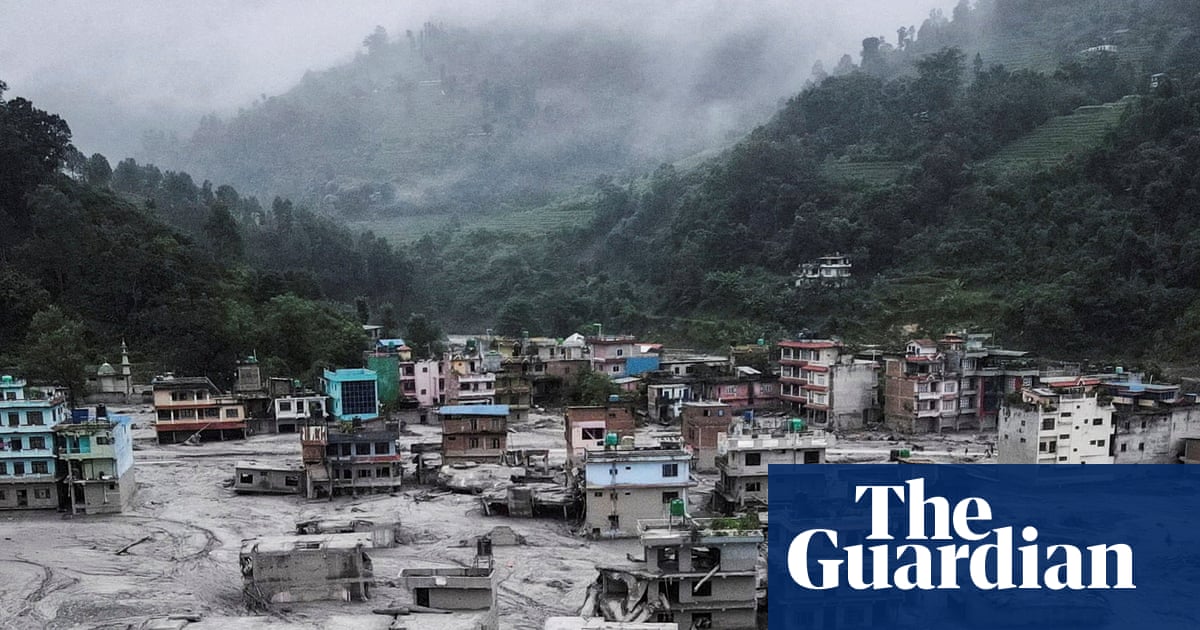
Ten weeks after devastating floods swept through Nepal and parts of Tibet, the immediate crisis has transitioned into a prolonged period of uncertainty for thousands of families. The death toll has risen to 1,459, but more than 5,285 individuals remain unaccounted for. Among those missing are over 700 foreigners, including 34 Australians, whose relatives have received no definitive news regarding their fate. The scale of the disaster, which wiped out entire villages and reached settlements significantly above river levels, has left a trail of destruction that continues to impede recovery efforts.
For families like that of Nikhila Agastya in Sydney, the days since August 26 have been defined by unanswered questions and financial instability. Her husband, Gopi, traveled to Nepal for a pilgrimage with the Isha Foundation before entering an immigration center at the border with Tibet. He never returned. As the sole breadwinner who worked in information technology, his absence has forced Nikhila to seek employment, as government parenting payments fall far short of replacing his income. Despite the economic pressure and the likelihood that he will not return, she maintains hope for her children’s sake, answering their daily inquiries about whether their father is cold or safe.
The emotional toll extends beyond Australia. Linda Govender in South Africa has spent weeks sending unanswered messages to her daughter, Terricia, who was also at an immigration center when the waters rose. The lack of closure has driven Govender to hire a helicopter for aerial searches alongside other desperate families. Realizing the widespread nature of the crisis, she established Global Voices for the Missing, an online community designed to help relatives share information and advocate for their rights. The group argues that while difficult decisions are necessary after natural disasters, families deserve assurance that every reasonable avenue for finding their loved ones has been explored.
Nepal’s government has taken steps to assist in identification efforts, including setting up DNA testing facilities to match remains with family members. More than 2,000 people have provided samples, yet the process remains sluggish. By early October, only 112 bodies had been transferred back to families. The backlog is substantial, and the slow pace of identification has exacerbated the anguish of those waiting for answers. International governments are also collaborating with Nepali and Tibetan counterparts to begin issuing death certificates, a bureaucratic step that offers legal closure but little emotional comfort.
In the immediate aftermath, relatives from around the world rushed to Kathmandu, attempting to reach flood zones by four-wheel-drive vehicles and visiting hospitals to post images of missing loved ones on walls. These desperate measures yielded few results as borders remained inaccessible and rescue teams struggled to penetrate affected areas. The Isha Foundation, which hosted many of the missing pilgrims, attempted to gain access to the disaster zone, but progress was limited. Families filtered small pieces of information through friends on the ground, often receiving only confirmation that conditions remained dire.
The official stance from Nepali authorities has shifted as the situation evolves. Phanindra Paudel, chief of the National Emergency Operation Centre, announced that the search-and-rescue operation had officially ended last month. The focus has now moved to a “search-and-rehabilitation phase.” This means authorities will no longer actively search for bodies but will instead recover remains when they are exposed or accessible during other activities. For families like Govender’s and Agastya’s, this transition marks not an end to their grief, but a change in the nature of their waiting.
The uncertainty persists as families navigate a complex landscape of international diplomacy, bureaucratic delays, and personal loss. The Global Voices for the Missing campaign continues to press for regular communication from Nepali officials and transparency regarding search efforts. While some hope remains that survivors might be found, the reality for many is the slow acceptance of loss without confirmation. The disaster’s impact extends far beyond the physical destruction, embedding itself in the daily lives of those left behind, who continue to wake each morning checking their phones for news that may never come.
As weeks turn into months, the challenge shifts from rescue to reconciliation with ambiguity. The financial strain on families like the Agastyas highlights the broader socioeconomic impact of such disasters, particularly for those relying on a single income. Meanwhile, the logistical hurdles of identifying remains in a region with difficult terrain and limited infrastructure underscore the complexities of international disaster response. For now, the families remain in limbo, caught between hope and the harsh reality that their loved ones may never be found.
Sources behind this briefing
Go to the original reporting
- The Guardian US↗They have gone 10 weeks without answers. Will these families ever know what happened to loved ones missing after Nepal’s floods?


