The short version
- US cities are opening more cooling centers this summer, yet many residents avoid them due to logistical barriers or a desire to maintain independence.
- Emergency room visits for heat-related illnesses have reached multi-year highs in New York and Maine, while Maryland has already exceeded last year's death toll.
- Officials are deploying mobile units and informational kiosks to bridge the gap between available resources and community trust.
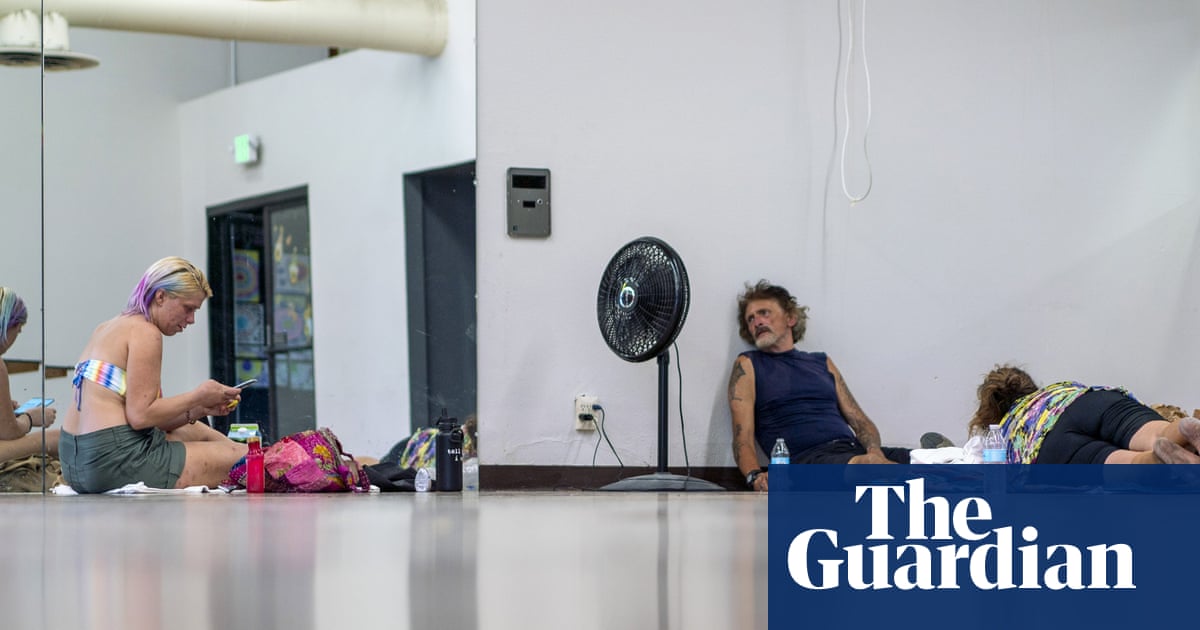
Municipal governments across the United States are expanding their networks of air-conditioned public spaces in response to a severe summer heat wave, but officials report that increasing availability has not translated into proportional usage. While cities like New York and Maine have significantly boosted the number of open cooling centers compared to previous years, many residents—particularly those with low incomes or housing insecurity—remain outside these facilities. The disconnect highlights a persistent challenge in public health emergency management: physical access to relief resources does not guarantee that at-risk individuals will seek them out.
The meteorological conditions driving this response are unprecedented for the current year. High-pressure systems have trapped hot air over large regions, creating heat domes that prevent cooler air from circulating. According to data from the National Centers for Environmental Information, the continental United States experienced its second-hottest first half of a year on record in 2026. This extreme thermal environment has placed immense strain on public health infrastructure, leading to a sharp rise in heat-related medical emergencies and fatalities across multiple states.
In New York City, the surge in heat has resulted in a measurable spike in hospital admissions. On July 3, when temperatures exceeded 100 degrees Fahrenheit, emergency rooms recorded 156 visits for heat-related illnesses. This figure represents the highest volume of such cases since at least 2017, according to city health data. Similarly, Maine saw a significant increase in emergency department visits during early July and the preceding week, with 128 heat-related cases reported—the highest number in several years. These statistics underscore the immediate physical toll of the weather patterns on local healthcare systems.
The human cost is also evident in mortality data. Maryland has already recorded at least 38 heat-related deaths this summer, a figure that surpasses the total number of such fatalities for all of 2025. The concentration of risk falls heavily on lower-income populations who often lack access to air conditioning or cannot afford the energy costs required to operate it. Public agencies have therefore focused their outreach efforts on these communities, recognizing that they face the greatest danger from prolonged exposure to extreme temperatures.
To mitigate these risks, New York City has added 23 new locations to its cooling center network. The city now averages 585 open centers on weekdays, up from 560 in the previous year. These facilities, which include libraries, community hubs, and senior centers, are staffed by personnel trained to offer assistance beyond just climate control. Staff members are instructed to proactively ask visitors if they have additional needs, aiming to create a welcoming environment that addresses broader service gaps alongside temperature regulation.
Maine has also scaled up its operations, moving from an average of 60 to 70 centers during typical five-day summer periods to opening more than 100 facilities in recent stretches. State officials describe these spaces as essential resorts for individuals who lack private cooling resources. However, the state’s largely rural geography presents unique logistical hurdles. Residents may live far from urban centers where these facilities are concentrated, making travel burdensome. Additionally, many Mainers are accustomed to milder summers and do not own or regularly use air conditioning, leading to a cultural hesitation regarding the necessity of seeking external help.
Beyond distance and infrastructure, psychological barriers play a significant role in low utilization rates. Experts note that some individuals view cooling centers with suspicion or perceive them as places for those who have failed to manage their own lives. For homeless populations, the stigma associated with shelters often extends to cooling centers, leading many to avoid them despite the danger. David Giffen of the Coalition for the Homeless noted that unsheltered individuals possess significant resilience and may not recognize the immediate threat of heat until it is too late, preferring to endure discomfort rather than surrender their autonomy.
In an effort to overcome these barriers, officials are adopting more proactive outreach strategies. New York has deployed vans to conduct wellness checks on older adults and homeless residents, offering medical care, water, and transportation directly to those who might not otherwise seek help. Informational kiosks have also been installed to provide walking directions to the nearest cooling center. Emergency management leaders emphasize the importance of community connection, urging residents to check on neighbors during heat waves. They argue that localized knowledge of who is vulnerable remains the most effective tool for ensuring safety in an era of increasingly extreme weather.
The challenge now shifts from merely opening doors to convincing people to walk through them. While the physical infrastructure for heat relief has expanded, the social and psychological factors influencing behavior remain difficult to address with policy alone. Officials continue to stress that personal responsibility and community vigilance are critical components of survival during these events. As heat domes become more frequent and intense, the gap between available resources and actual usage may require innovative approaches that go beyond traditional emergency management protocols.
Sources behind this briefing
Go to the original reporting
- The Guardian US↗US cities expand cooling centers but struggle to get people inside

