The short version
- Hui Ka Yan, founder of Evergrande Group, was sentenced to life in prison and had all personal assets confiscated after pleading guilty to eight charges including fraud and bribery.
- The company and its property arm received combined fines totaling approximately 15.8 billion yuan as part of the ruling by Shenzhen’s intermediate court.
- More than fifty other individuals associated with Evergrande received prison sentences ranging from twenty months to eighteen years for their roles in the financial misconduct.
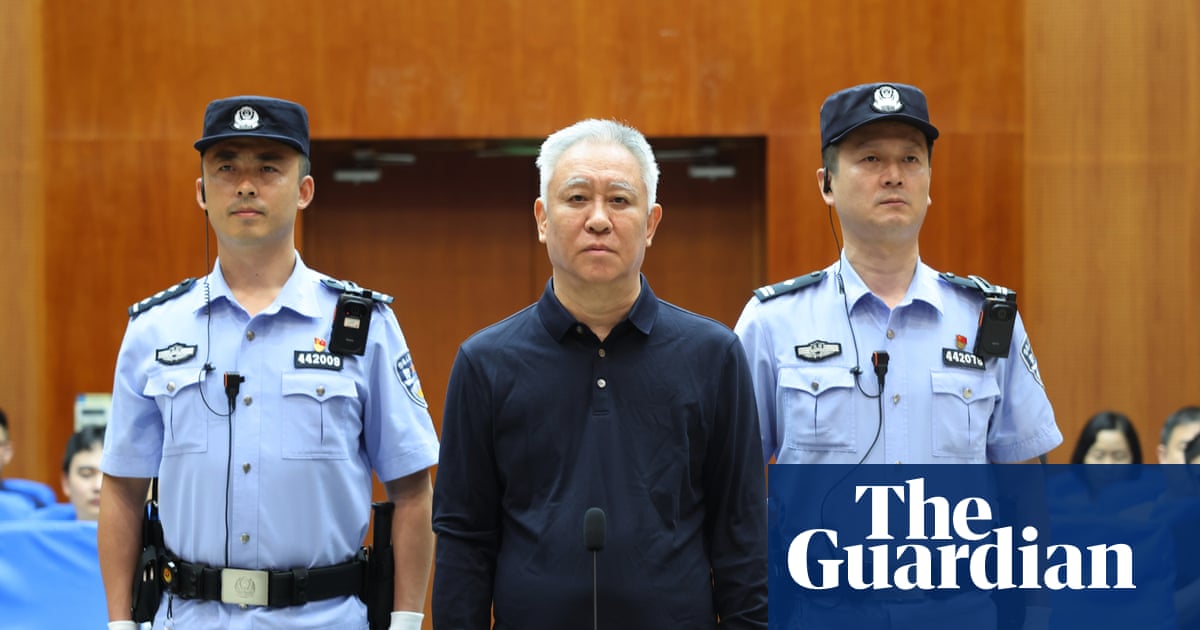
Hui Ka Yan, the founder of Evergrande Group, has been sentenced to life in prison by a Chinese court, marking a significant legal resolution to one of the most consequential corporate collapses in recent economic history. The Shenzhen intermediate people’s court issued the ruling after Hui pleaded guilty in April to eight distinct charges. These offenses included misuse of funds, fundraising fraud, illegal acceptance of public deposits, illegal extension of loans, fraudulent issuance of securities, and bribery. In addition to the prison term, the court ordered the confiscation of all of Hui’s personal property.
The financial penalties imposed on the corporate entities were substantial. Evergrande Group was fined 8.8 billion yuan, while its property arm received a separate fine of 7 billion yuan. The court stated that between 2016 and 2021, Hui employed methods such as sustained, large-scale financial fraud to inflate assets and conceal liabilities. Officials described these actions as having severely disrupted the order of the socialist market economy and caused exceptionally heavy economic losses. The ruling reflects a broader judicial effort to hold leadership accountable for the systemic risks generated by aggressive expansion strategies.
Hui’s personal trajectory stands in stark contrast to his current legal status. Born into a poor family in rural Henan province, he was raised by his grandmother before establishing Evergrande in 1996. The company grew rapidly to become one of China’s largest property developers. In 2017, Forbes identified Hui as China’s richest man, estimating his net worth at $42.5 billion. By 2018, he publicly thanked the Chinese Communist Party for providing everything that Evergrande and he had achieved. This rise from humble origins to immense wealth, followed by a dramatic fall, has become a defining narrative of the sector’s volatility.
The legal proceedings against Hui are part of a wider net cast over the company’s leadership. More than fifty individuals linked to Evergrande were also sentenced on the same day. Their prison terms ranged from twenty months to eighteen years, indicating that responsibility for the financial misconduct was distributed across multiple levels of the organization. The delisting of Evergrande from the Hong Kong stock exchange last year preceded these convictions, signaling a complete withdrawal from public markets as the company struggled to manage its obligations.
Evergrande’s collapse is inextricably linked to a broader debt crisis that has shaken China’s economy. The company defaulted on most of its $300 billion in liabilities, becoming a symbol for the wider troubles plaguing the property sector. This industry has traditionally accounted for between one-quarter and one-third of China’s GDP, making its instability a critical concern for national economic health. The government had been actively trying to reduce the economy’s reliance on real estate growth, a shift that exposed the fragility of debt-fueled development models.
The crisis intensified in 2020 when Chinese regulators introduced strict limits on the amount of debt property companies could hold. These regulations effectively torpedoed the sector’s previous growth trajectory. Construction stalled on hundreds of developments as companies scrambled for liquidity and struggled to pay suppliers. Weak demand during the pandemic exacerbated these financial pressures, creating a perfect storm for highly leveraged developers. A study published this year estimated that the regulatory crackdown led to approximately $347 billion in sunk costs across the Chinese economy.
The sentencing of Hui Ka Yan represents a formal acknowledgment of the scale of the fraud involved. The court’s emphasis on the disruption of market order suggests that the state views these actions not merely as corporate failures but as threats to economic stability. The confiscation of assets and heavy fines are intended to recover some value for creditors and demonstrate the consequences of violating financial regulations. However, the sheer magnitude of the debts means that legal penalties alone cannot resolve the underlying economic challenges.
Looking ahead, the resolution of Hui’s case does not immediately solve the lingering issues in China’s property market. The sector continues to weigh heavily on the economy, with unfinished projects and unpaid suppliers remaining significant concerns. The government faces the difficult task of stabilizing the industry without returning to the risky debt-driven growth patterns of the past. The legal outcomes for Evergrande’s leadership serve as a warning to other developers about the limits of regulatory tolerance.
The broader implications extend beyond China’s borders, given the global interconnectedness of financial markets. Investors and analysts are closely monitoring how these legal developments influence confidence in Chinese assets. The transition away from real estate as a primary engine of growth requires new sources of economic momentum. Until those alternatives are firmly established, the shadow of Evergrande’s collapse will likely continue to influence policy decisions and market behavior.
This case highlights the complexities of managing a rapid economic transformation. The shift from high-growth, debt-fueled expansion to a more sustainable model involves significant short-term pain. The sentencing of Hui Ka Yan is a pivotal moment in this transition, illustrating the state’s commitment to enforcing new standards. As China navigates these challenges, the lessons from Evergrande will inform future regulatory frameworks and corporate governance practices.
Sources behind this briefing
Go to the original reporting
- The Guardian World↗Founder of China’s Evergrande jailed for life after pleading guilty to fraud

