The short version
- New regulations prohibit broadcasters from nations involved in armed conflicts or sensitive geopolitical issues from hosting the Eurovision Song Contest.
- The European Broadcasting Union cites feedback from members and a need for a safe environment as drivers for the policy shift, which also raises the minimum artist age to eighteen.
- Despite recent boycotts by five European nations over Israel's participation and a decline in global viewership, the contest plans expansion with a new Asian spin-off and Canadian entry.
The European Broadcasting Union has implemented significant regulatory changes for the Eurovision Song Contest, establishing a strict prohibition against broadcasters from states involved in armed conflict or sensitive geopolitical situations hosting the event. This policy shift marks a departure from the traditional practice of awarding hosting rights to the previous year’s winning broadcaster. The organization stated that these adjustments are designed to provide greater clarity for production staff and artists while maintaining a secure and welcoming atmosphere for all participants.
The decision follows a period of intense scrutiny and disruption within the contest community. In recent years, the competition has faced substantial protests regarding the participation of Israel, a member since 1973. Five long-standing participants—Spain, the Netherlands, Ireland, Iceland, and Slovenia—boycotted this year’s event in Vienna after organizers refused to exclude Israel due to its military actions in Gaza and violence against Palestinians in the West Bank. The uncertainty surrounding whether or when these nations will return to the competition remains unresolved.
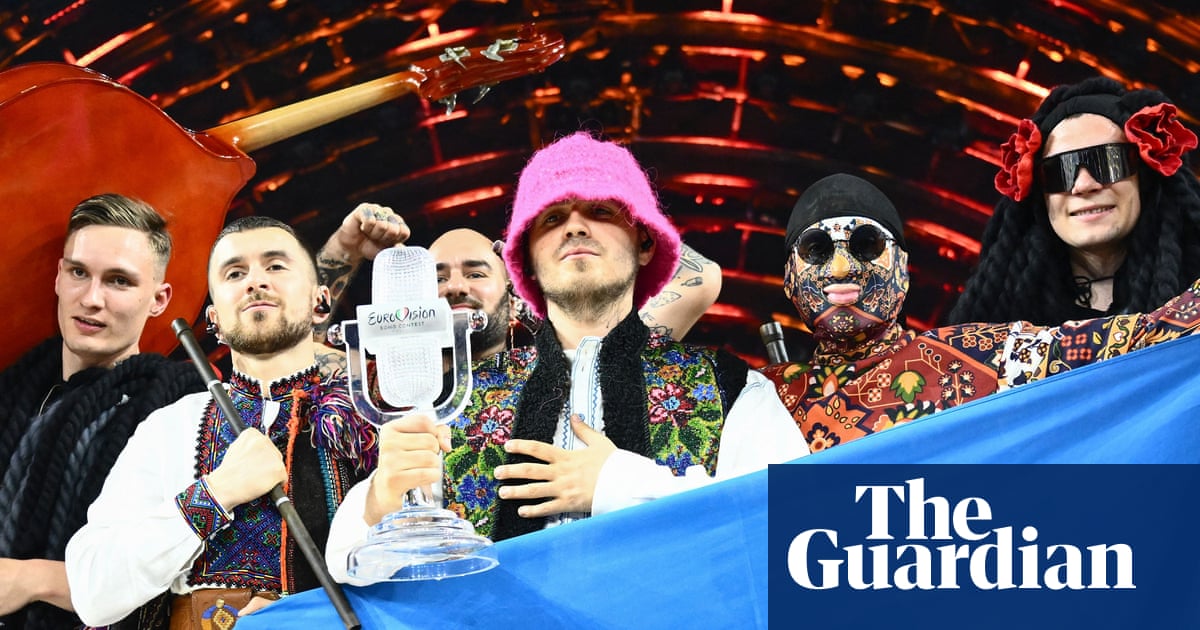
Under the new framework, if a winning country is deemed ineligible to host due to security concerns, an independent security body will assess the situation to help the EBU determine feasibility. Should the winner be ruled out, the union will identify an alternative host broadcaster to assume all associated rights and obligations. This mechanism ensures that the event can proceed without requiring the ineligible member to stage the show on behalf of another entity, a scenario previously seen when Ukraine’s 2022 victory led to the 2023 contest being held in Liverpool due to Russia’s war making preparation impossible.
Martin Green, the director of the Eurovision Song Contest, emphasized that the annual review process is essential for keeping the competition fair and transparent. He noted that the changes are guided by member feedback and aim to protect artists while preserving the event’s integrity. The revisions also include raising the minimum age requirement for performers from sixteen to eighteen years old, reflecting a broader effort to modernize safety standards and operational consistency.
The timing of these rule changes coincides with shifting viewership trends and financial pressures. Data indicates that the 2026 final attracted approximately 130 million viewers globally, a notable decrease from the 160 million who tuned in during 2025. This decline underscores the impact of recent controversies on the contest’s reach. Despite these challenges, organizers are pursuing expansion strategies to diversify their audience and revenue streams.
Plans are underway for a spin-off event, Eurovision Song Contest Asia, scheduled to take place in Bangkok this November. Additionally, Canada has been announced as a new participant in the main contest, marking the first addition since Australia joined in 2015. Participation remains open to all members of the European Broadcasting Union rather than being restricted to geographic Europe, allowing for broader international inclusion.
The upcoming contest is set to take place in Bulgaria, following singer Dara’s victory for the country in May. As preparations move forward, the new hosting rules will likely influence future dynamics within the EBU member states. The organization faces the dual challenge of reconciling geopolitical tensions with its mission to foster cultural exchange through music, while adapting to a landscape where political considerations increasingly intersect with entertainment logistics.
While the immediate focus remains on ensuring a smooth transition for the Bulgarian-hosted event, the long-term implications of these policy shifts are still unfolding. The introduction of independent security assessments and alternative hosting protocols suggests a more cautious approach to future competitions. As the contest evolves, it must balance its historical spirit with the practical realities of operating in an increasingly polarized global environment.
Sources behind this briefing
Go to the original reporting
- The Guardian World↗Broadcasters to be barred from Eurovision song contest if state involved in ‘armed conflict’

