The short version
- Two people died in Greece and one soldier perished in Spain as wildfires spread across multiple European nations during an intense heatwave.
- Belgium faces its largest recorded wildfire, which has consumed thousands of hectares in the High Fens nature reserve and required international air support.
- Authorities have evacuated hundreds of residents and tourists from affected areas in Belgium, Germany, France, and Croatia due to rapidly shifting wind patterns.
A severe wave of wildfires is sweeping across Europe, resulting in fatalities and massive evacuations as extreme heat creates dangerous conditions for fire containment. The crisis has escalated significantly over the weekend, with confirmed deaths in Greece and Spain and a historic blaze engulfing a major nature reserve in Belgium. Emergency services are struggling to manage multiple fronts simultaneously, relying on international cooperation and local resources to prevent further loss of life and property.
In Greece, an elderly couple died outside their home in the Peristeria beach area of Salamis island on Sunday. The Greek coastguard confirmed the deaths as flames approached residential zones. More than 500 people were ordered to evacuate the area to ensure public safety. This incident adds to a broader pattern of danger along the Mediterranean coast, where stranded holidaymakers have been rescued from beaches threatened by advancing flames.
Meanwhile, in Spain, authorities reported the death of a soldier who was assisting with firefighting efforts in Aragon. The blaze in this north-eastern region has burned for approximately one week and poses a significant threat to a monastery that is roughly 1,000 years old. Military personnel have been deployed to help rescue historical relics and support civilian emergency teams as the fire continues to rage through dry vegetation.
The situation in Belgium represents the most extensive single incident in the current outbreak. A wildfire that began on Friday has ravaged approximately 3,000 hectares of land within the High Fens, a large nature reserve near Liège. Officials describe this as the largest fire in Belgium’s modern history. The blaze is encroaching on the border with Germany and has forced the evacuation of about 600 people from the municipalities of Waimes and Bütgenbach. Tourists were also advised to leave the area as winds shifted and smoke spread throughout the region.
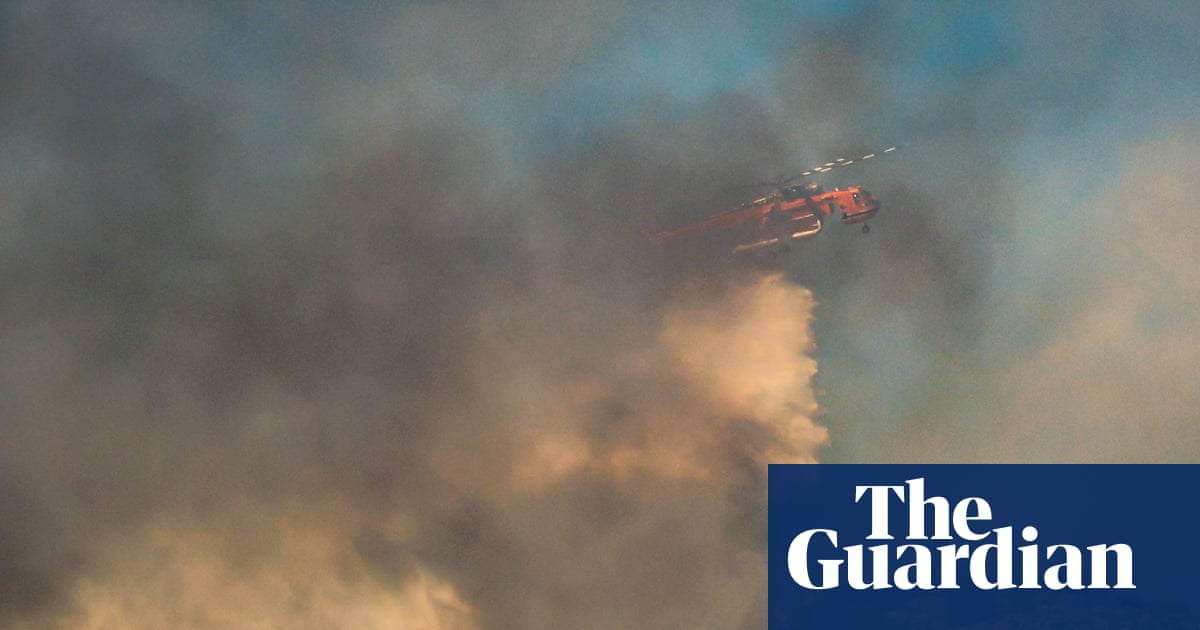
The terrain in the High Fens presents unique challenges for firefighters. The reserve consists of dense forests, peat bogs, and raised wooden boardwalks, making it difficult for heavy firefighting vehicles to operate without sinking. To address this, air support has become crucial. Two water-bombing aircraft from Sweden and four helicopters from Belgium and the Netherlands have been deployed to drop water on the fire. Access to Lake Bütgenbach was prohibited on Sunday to allow these aircraft to refill safely.
Local farmers have joined the emergency response, using tractors to pull water from Lake Robertville to assist in battling the blaze. Hervé Jamar, the governor of Liège, stated that more than 250 firefighters and emergency staff are involved in the operation, including personnel from Germany. Bernard Quintin, Belgium’s interior minister, visited the crisis center in Vottem on Sunday afternoon and noted that while conditions remain challenging, two fire fronts towards Jalhay and Monschau are now under control.
The historical context of the Belgian fire is notable, as it began in an area that was severely affected by massive wildfires during a drought in 1911. Human-caused climate change is driving more frequent and intense extreme weather events, including heatwaves that create ideal conditions for wildfires. The European Union has warned that pockets of very extreme wildfire conditions stretch across the continent, highlighting the growing risk posed by rising temperatures.
Beyond Greece, Spain, and Belgium, other countries are also grappling with fire threats. In Croatia, a fire engulfed homes in a holiday resort, killing one person, injuring 40, and forcing 1,200 people to evacuate. Hundreds more residents were evacuated from villages in western Germany and south-west France. As the heatwave persists, authorities remain on high alert, mobilizing all available resources to protect communities and natural landscapes from further devastation.
The multinational response underscores the scale of the crisis. European partners have provided solidarity through shared resources and personnel, reflecting a coordinated effort to combat disasters that transcend national borders. While some fire fronts are being contained, the overall situation remains volatile. Continued monitoring and rapid response will be essential in the coming days as weather conditions evolve and new threats emerge across the continent.
Sources behind this briefing
Go to the original reporting
- The Guardian US↗Greek wildfire kills two people as aircraft deployed to blaze at Belgian nature reserve

