The short version
- Nearly 500 individuals have been detained in France since July for suspected involvement in wildfires, with the majority accused of deliberate ignition.
- Extreme heat and strong winds have forced evacuations in multiple countries, including over 2,000 people in Germany and hundreds in Greece and Croatia.
- Firefighting operations face unique challenges, from unexploded World War II ordnance in German forests to the need to relocate medieval royal remains in Spain.
A severe wildfire crisis is unfolding across Europe as a record-breaking heatwave dries out landscapes and fuels rapid fire spread. Authorities in France have reported that nearly 500 people have been arrested since the beginning of July on suspicion of starting wildfires. This figure includes 183 minors, highlighting a concerning demographic among those detained. French officials indicate that approximately 70 percent of these arrests involve suspects accused of deliberately igniting fires, while the remainder are suspected of accidental causes. The scale of enforcement reflects the intensity of the situation, with one notable case involving a 15-year-old boy detained in connection with a blaze near Bordeaux airport that resulted in the deaths of two firefighters earlier in the summer.
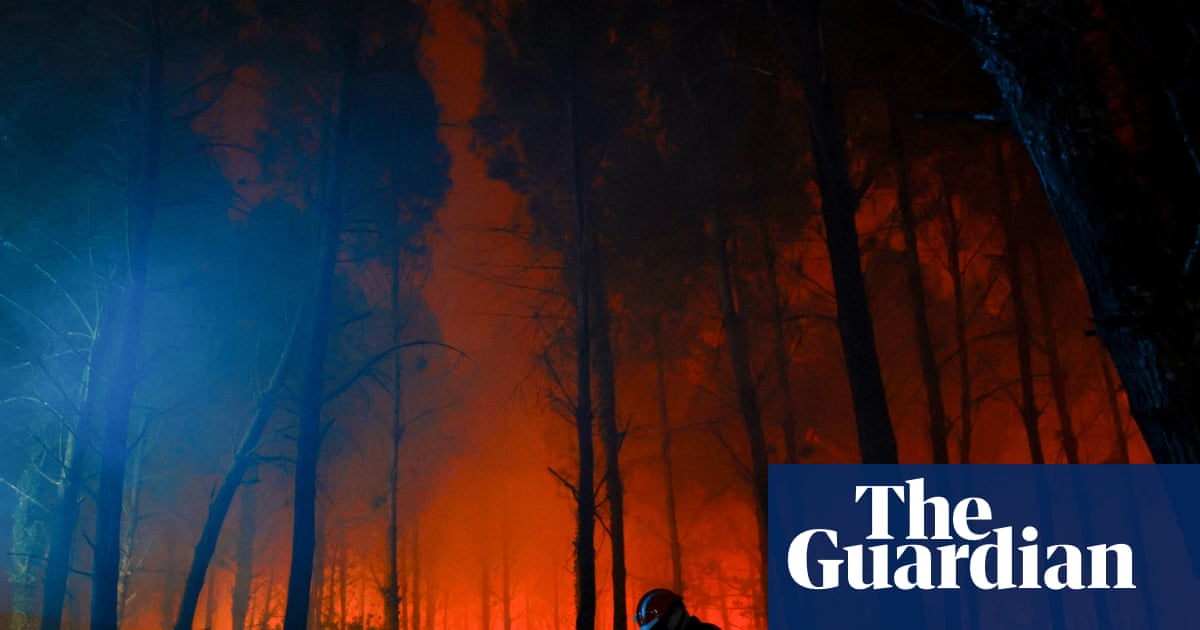
The immediate danger remains acute in southwestern France, where a new wildfire has consumed nearly 1,100 hectares of pine forest in less than a day. This rapid expansion forced the evacuation of more than 525 residents from the village of Luglon in the Landes region. Regional officials describe the situation as unfavorable, with the fire still raging despite the deployment of 500 firefighters and six water-dropping aircraft. Roads leading to the village have been closed to ensure public safety. This incident follows a devastating series of fires in late July near popular holiday destinations like Arcachon Bay, which destroyed over 50,000 hectares and required the evacuation of up to 220,000 people.
The crisis extends well beyond French borders, affecting communities across the continent. In western Germany, more than 2,000 residents fled their homes in the village of Gey as a wildfire spread through the nearby Hürtgen forest. The blaze approached within hundreds of meters of residential areas, prompting local officials to warn of significant threats to the community. Firefighting efforts in this region have been complicated by the presence of unexploded ordnance from World War II. Explosions were reported as munitions detonated in the flames, forcing firefighters to withdraw from certain areas for safety. German military assets, including tanks and helicopters, have been deployed to assist civilian emergency services.
On the Adriatic coast, Croatia has faced its own severe challenges. A wind-driven wildfire descended on the tourist town of Lokva Rogoznica overnight, engulfing houses and forcing approximately 1,000 people to evacuate. Health officials reported that dozens were injured, with several dozen treated by ambulance services in nearby Split. Of those treated, 14 were admitted to hospitals, and seven suffered life-threatening injuries. Emergency shelters have been opened in surrounding towns to accommodate displaced residents. The regional chief fire commander described the event as causing huge material damage, noting that the fire swept everything in its path before appearing to calm by Friday morning.
In Spain, wildfires have threatened both natural landscapes and historical heritage. In northeastern Spain, a fire driven by high temperatures and strong winds has burned through more than 9,000 hectares, forcing the evacuation of 16 towns and villages. The intensity of the blaze prompted authorities to take extraordinary measures to protect cultural artifacts. An army unit removed the remains of three 11th-century Aragonese kings from the San Juan de la Peña monastery after the site was threatened by the approaching flames. The remains were transported to a museum in nearby Huesca for safekeeping. Meanwhile, a larger wildfire in southern Spain has consumed 31,000 hectares in the province of Huelva, leading to the evacuation of about 700 people.
Greece has also seen significant activity, particularly on the Halkidiki peninsula north of Thessaloniki. A forest fire with a front stretching two miles and flames reaching up to 30 meters threatened popular resorts such as Siviri and Fourka. Emergency crews used a fleet of small boats to evacuate approximately 500 holidaymakers from beaches before the situation worsened. Although regional civil protection officials reported that the fire was brought under control later in the day, crews remain on high alert for potential flare-ups. Two firefighters were hospitalized with injuries sustained during the operation.
Scientists attribute the frequency and severity of these weather events to climate breakdown, which is causing soils and waterways to evaporate rapidly. Europe is currently heating at approximately twice the global average rate, creating conditions that are highly conducive to wildfire ignition and spread. With three out of five Europeans facing temperatures of at least 30 degrees Celsius and about 150 million enduring heat levels of 35 degrees Celsius or more, the risk of further escalation remains high. The combination of extreme heat, dry vegetation, and strong winds creates a volatile environment that emergency services are struggling to manage.
As the summer progresses, governments across Europe are grappling with the dual challenges of immediate disaster response and long-term prevention. The high number of arrests in France suggests a growing recognition that human activity, whether deliberate or accidental, plays a significant role in wildfire incidents. Meanwhile, the deployment of military resources in Germany and Spain underscores the severity of the situation and the limitations of civilian emergency services. With no end to the heatwave in sight, authorities warn that conditions remain unfavorable for containment, and the risk of further evacuations and property damage persists across the continent.
Sources behind this briefing
Go to the original reporting
- The Guardian World↗Almost 500 arrested on suspicion of starting wildfires in France this summer

