The short version
- A loose coalition of young activists in Germany has organized rallies in over thirty cities, demanding increased investment in education, housing, and climate protection while opposing mandatory military service.
- French police have mobilized seventy thousand officers for Halloween demonstrations, citing high risks of violence from radical groups despite authorized peaceful marches being restricted to peripheral areas.
- Political leaders in Germany are divided on how to characterize the unrest, with conservatives warning of potential disorder and opposition figures cautioning against preemptive criminalization that could fuel radicalization.
Widespread demonstrations regarding the cost of living and deteriorating public services are expanding across Europe this weekend, reaching new intensity in Germany while reigniting tensions in France. Activists have scheduled rallies for Saturday, coinciding with Halloween, a date that has become symbolic for recent waves of civil unrest on the continent. The protests reflect growing frustration among students, young adults, and labor groups over issues ranging from housing affordability to educational quality. Authorities in both nations are preparing for significant public order challenges, though the nature of the expected disruptions differs markedly between the two countries.
In Germany, a decentralized alliance known as Gen Z regelt has coordinated calls for action in more than thirty cities. The group’s platform emphasizes demands for greater government spending on schools, climate initiatives, and housing infrastructure. Additionally, the coalition opposes any legislative moves to reintroduce mandatory military service. Organizers have explicitly urged participants to maintain peaceful conduct, stating that violence contradicts their core objectives. By Friday, the initiative’s website reported over one hundred sixty thousand registrations, suggesting substantial public interest in the movement’s agenda.
The scale of anticipated participation has prompted a significant security response in Berlin. Police Chief Barbara Slowik Meisel announced the deployment of an additional fifteen hundred officers to the capital. Despite the large numbers expected at landmarks such as the Brandenburg Gate, Meisel indicated there was no concrete evidence of coordinated plans for looting or property damage. Approximately ten thousand demonstrators, primarily students and their parents, are projected to gather in the afternoon, with a smaller event planned for the evening in the Mitte district. Major rallies are also scheduled in Cologne, Munich, Frankfurt, and Hamburg.
Political reactions within Germany highlight a sharp divide on how to frame these youth-led demonstrations. Alexander Throm of the ruling Christian Democratic Union expressed concern that scenes similar to those witnessed in France must be avoided at all costs. Conversely, Felix Banaszak, co-leader of the opposition Green party, warned against rhetoric that preemptively criminalizes the protests or portrays them as gang activity. Banaszak argued that such approaches could inadvertently drive participants toward radicalization. Meanwhile, the federal pupils’ conference has distanced itself from the Saturday events, citing unclear organizational structures and unpredictability, though it plans its own separate demonstration in late November focused on declining school performance.
In France, the security situation appears more volatile. Interior Minister Laurent Nuñez described Saturday as a day of very high risk, leading to the mobilization of seventy thousand police and gendarme personnel, including elite units. Authorities are particularly concerned about radical elements from the far left and former yellow vest movements who have used social media to call for violent gatherings after mainstream demonstrations conclude. Nuñez stated that these calls often include revolutionary rhetoric and that the government would tolerate zero excesses. Consequently, most peaceful marches have been denied permission to proceed through city centers, with organizers challenging these restrictions in Paris.
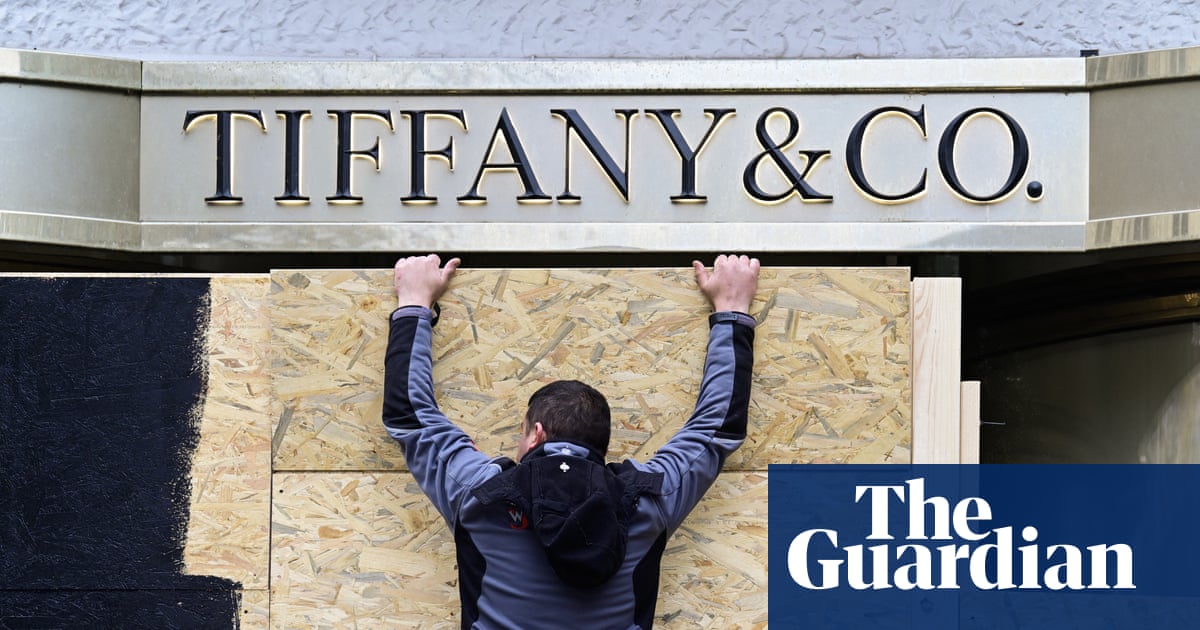
The French government has reinforced measures introduced previously to protect commercial properties from looting. While some demonstrations are authorized, they are largely confined to areas outside central districts where the risk of public disorder is deemed lower. Two separate marches planned by unions and yellow vest groups through Paris were banned, with police authorizing only a single march in the far southeast of the city. Both sets of organizers are contesting this decision. The interior ministry noted that four hundred ten thousand people participated in the previous Saturday’s protests, during which a strong police presence largely prevented a recurrence of the widespread violence seen in mid-October.
The underlying grievances driving these movements include low wages, high living costs, and inadequate public services. In France, unions and yellow vest activists have joined forces with students who are demanding better learning conditions. A nationwide strike is scheduled for November 5 to amplify these concerns. Student leaders have criticized recent government measures, such as replacing a faulty university admissions platform and providing loans for school renovations, as insufficient to address the systemic issues at hand. The convergence of labor, student, and social justice movements suggests that the unrest may persist beyond this weekend.
As the protests unfold, the contrast between Germany’s largely youth-driven, policy-focused rallies and France’s broader, more volatile mix of labor and radical activism underscores different national responses to similar economic pressures. German authorities appear focused on managing large crowds while maintaining an open stance toward peaceful assembly, whereas French officials are prioritizing strict containment of potential violence. The coming days will reveal whether these strategies succeed in preventing escalation or if the underlying discontent continues to fuel further disruption across both nations.
Sources behind this briefing
Go to the original reporting
- The Guardian US↗Cost of living protests to spread to Germany and reignite in France on Halloween


