The short version
- European far-right politicians are actively distancing themselves from Donald Trump following a significant Republican loss in the US midterm elections.
- Leaders cite broken campaign promises regarding foreign policy intervention and economic stability as primary reasons for the electoral backlash.
- The defeat reinforces a strategy where European populists adopt Trumpist policies on borders and culture while avoiding association with his personal volatility.
The decisive Republican losses in the United States midterm elections have triggered a rapid recalibration among far-right political leaders across Europe. These figures are now moving to insulate their own electoral prospects from the American president, highlighting a persistent tension between admiration for Trump’s policy agenda and the liability of his personal brand. While European populists often share ideological ground with the former US leader on issues such as immigration restriction and anti-globalism, they are increasingly wary of the association due to voter concerns over unpredictability and economic disruption.
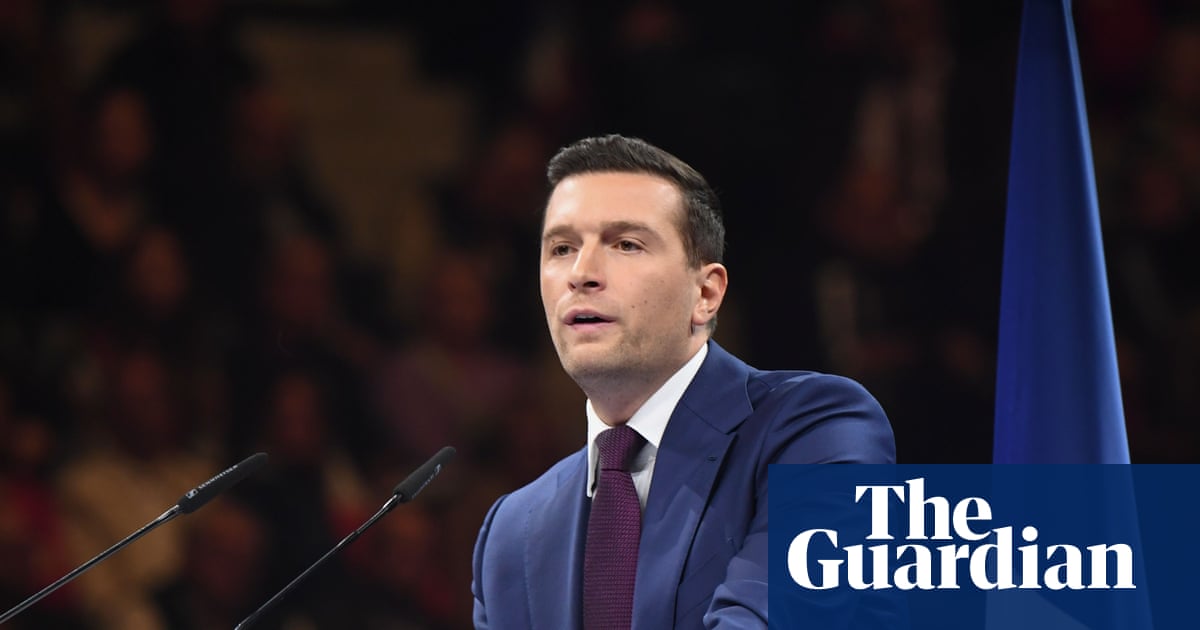
In France, Jordan Bardella, head of the National Rally, led efforts to separate his party’s image from Washington. He criticized recent US military actions in Iran, arguing that such interventions carried severe negative consequences for global economies. This stance reflects a broader pattern among European right-wing figures who support hard border policies but reject the geopolitical risks associated with Trump’s foreign policy decisions. Bardella’s comments underscore a strategic pivot toward emphasizing domestic economic stability rather than transatlantic ideological solidarity.
German and Italian politicians echoed similar sentiments regarding the failure of campaign promises. Alice Weidel, co-leader of Germany’s Alternative for Deutschland, noted that Trump had pledged to avoid interventionist foreign policies, a commitment she argued was broken and ultimately punished by voters. In Italy, Roberto Vannacci of the National Future party stated that the US results demonstrated the political dangers of failing to meet voter expectations. These remarks suggest that European populists view the midterm outcome as a cautionary tale about the importance of delivering on specific electoral commitments.
Spanish leader Santiago Abascal took an even sharper turn away from any perceived alignment with the White House. When questioned about ideological connections, he dismissed the relevance of US politics to his domestic agenda, stating that his focus remained strictly on Spain. This rejection of transatlantic linkage highlights a growing trend among European far-right parties to frame their movements as distinctly national rather than part of a global populist wave led by Trump. By emphasizing local sovereignty, these leaders aim to appeal to voters who may be skeptical of foreign influence.
Analysts suggest that this distancing is driven by domestic political calculations. Mujtaba Rahman of Eurasia Group observed that European populists seek to benefit from the ideological momentum of Trumpism without being tainted by the chaos and economic instability associated with his presidency. The goal is to harness the energy of anti-establishment sentiment while avoiding the specific liabilities that have damaged Republican prospects in the US. This delicate balancing act requires leaders to champion nationalist policies while carefully managing their public rhetoric regarding international relations.
For opposition parties, the US midterm results offer a clear playbook for leveraging economic discontent. Rising prices and unaffordable housing are becoming central themes in European political campaigns. Bardella has emphasized that purchasing power would be the top priority for his government, proposing measures such as VAT cuts on energy and allowing wage increases without additional payroll taxes. Similarly, Spain’s Vox party is using soaring living costs to criticize the Socialist government of Pedro Sánchez, hoping to secure a coalition partnership after upcoming elections.
Incumbent populist leaders face different challenges. Italian Prime Minister Giorgia Meloni has encountered domestic protests over fuel costs and inflation, illustrating that once in power, far-right figures are vulnerable to the same economic pressures that fueled their rise. Matteo Salvini, her coalition partner, acknowledged that the US vote was influenced by wars, international tensions, and rising living costs. This admission suggests that European leaders recognize the direct link between global instability and domestic voter anger.
Opposition lawmakers in Europe have also drawn parallels between Trump’s unfulfilled promises and their own political strategies. They note that pledges to lower prices and restore jobs failed to materialize under his administration, leaving voters disillusioned. This dynamic reinforces the idea that populist leaders must deliver tangible economic benefits to maintain support. The midterm defeat serves as a reminder that ideological alignment alone is insufficient; voters ultimately judge leaders based on their ability to improve daily living conditions.
Despite efforts to downplay the significance of the Republican losses, some figures like Romania’s Dan Dungaciu argue that reports of Trump’s political demise are exaggerated. However, the broader lesson for European populists appears to be that their success depends less on US electoral outcomes and more on addressing local grievances. Issues such as cost of living, housing crises, and rural-urban divides remain rooted in domestic contexts. As a result, European far-right parties are likely to continue espousing Trump-inspired ideas while keeping the president himself at arm’s length.
The midterm results have thus forced a reevaluation of transatlantic populist alliances. While the ideological appeal of nativism and anti-globalism persists, the personal volatility and policy inconsistencies associated with Trump present significant risks for European leaders. By focusing on domestic economic issues and distancing themselves from US political turmoil, these parties aim to consolidate their support bases. The coming months will reveal whether this strategy can sustain their momentum amidst ongoing economic challenges across the continent.
Sources behind this briefing
Go to the original reporting
- The Guardian World↗Republican wipeout in US midterms reminds Europe’s far right of its Trump dilemma


