The short version
- The European Union has cautioned that a proposed US ban on diesel exports would harm both American and European economies by disrupting shared fuel markets.
- Europe currently depends on the United States for approximately half of its diesel imports, a share that has grown as supplies from Russia and the Middle East have declined.
- While immediate shortages are unlikely due to domestic production and reserves, experts warn that losing US cargoes would drive up global prices and strain logistics sectors.
The European Union has issued a formal warning regarding reports that the United States may implement a temporary ban on diesel exports. European Commission officials stated they are concerned about the potential move, which appears designed to lower fuel costs for American households ahead of upcoming midterm elections. The bloc emphasized that such a restriction would negatively impact both sides of the Atlantic and urged close consultation between partners before any measures affecting shared markets are enacted.
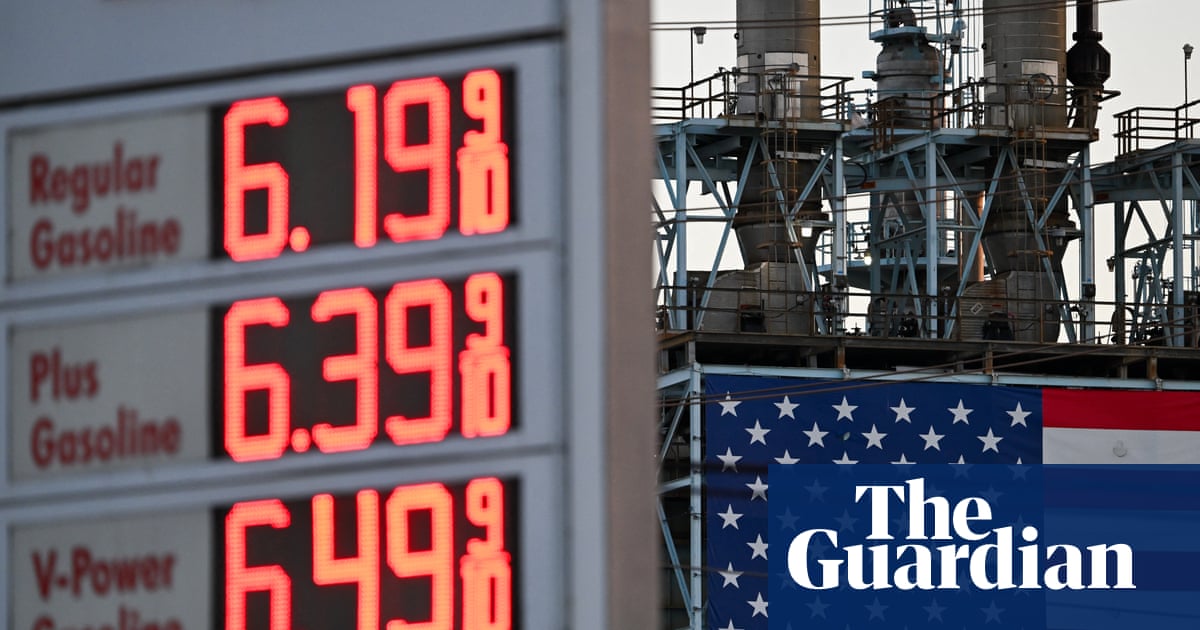
The proposal stems from rising domestic fuel costs in the United States, where diesel prices recently hit a record average of $6.52 per gallon. President Donald Trump has publicly suggested halting exports to provide temporary relief to US consumers. However, this strategy faces internal criticism within the US government. Energy Secretary Chris Wright described an export ban as a blunt instrument that could ultimately damage American fuel supplies in the long term by disrupting established trade flows.
For Europe, the implications of such a policy are significantly more acute. The continent has become increasingly dependent on American refined fuels this year. Data indicates that US diesel exports accounted for roughly one-third of European imports earlier in the year, rising to approximately half by August. This shift occurred as supplies from traditional sources dwindled due to war-damaged refineries in Russia and ongoing disruptions in the Middle East.
Industry experts warn that removing US cargoes from the global market would create severe challenges for European buyers. Josh Michalowski of Argus Media described a potential ban as devastating for diesel supply in Europe, noting that the region would struggle to replace the lost volume. While Europe produces about 70% of its own diesel through domestic refineries and maintains strategic reserves, the loss of American imports would force buyers to compete aggressively for limited supplies from other regions.
The competitive landscape for remaining global diesel is already tight. If US exports were halted, European purchasers would need to vie with Asian buyers for available cargoes from the Middle East and India. Benedict George, head of European products at Argus, noted that while panic buying has not yet materialized, traders are closely monitoring the situation. He warned that if the White House seriously pursues the ban, it could trigger significant market volatility given the high reliance on American shipments.
The United Kingdom faces particular vulnerability in this scenario. With only four operating oil refineries remaining after recent closures at Grangemouth and Lindsey, the UK has grown increasingly reliant on imported fuel. Thomas Pugh of RSM UK estimated that losing nearly 90,000 barrels a day of US distillate would account for 18% of the country’s total consumption. This loss would leave the nation more exposed to volatile global diesel prices and increase the risk of shortages over time.
Fuel prices across Europe are already at historic highs. Germany and the Netherlands have seen pump costs climb, prompting calls for government intervention to protect households. In the UK, average diesel prices have surged from 142.38p per litre before the start of conflicts in Iran to 197.75p per litre recently. Motorists may be approaching new all-time highs, raising concerns about the economic burden on families and businesses.
Although fewer passenger vehicles run on diesel, the fuel remains critical for heavy industry, agriculture, and logistics. Lorries, vans, and farm machinery depend heavily on distillates to keep supply chains moving. A prolonged disruption could therefore have cascading effects on goods distribution and production costs across the continent. High-level diplomatic contacts between the EU and the US administration are ongoing as both sides assess the potential fallout.
The price gap between crude oil and refined diesel, known as the crack spread, has reached record levels due to refinery disruptions in the Gulf and Russia. This disparity suggests that refining capacity is a tighter constraint than raw material availability. Any further reduction in global supply, such as through an export ban, could widen this gap even more, exacerbating cost pressures for end-users.
Market participants remain cautious but watchful. Traders are currently weighing the likelihood and scope of any potential US restrictions. While immediate physical shortages are not expected due to existing stocks and domestic production capabilities, the psychological impact on markets could be substantial. The situation underscores the fragility of global energy supply chains and the interconnected nature of modern fuel markets.
Sources behind this briefing
Go to the original reporting
- The Guardian World↗EU says Trump plan to ban US diesel exports would ‘negatively impact both sides’

