The short version
- The European Commission has proposed granting Canada associate membership to deepen ties amid global instability and trade tensions with the United States.
- Legal experts note that no such status exists in EU treaties, making the proposal a political signal rather than an immediately actionable policy framework.
- Analysts suggest the move may reflect a broader shift toward creating a 'second circle' of allied nations that cooperate on security and values without full integration.
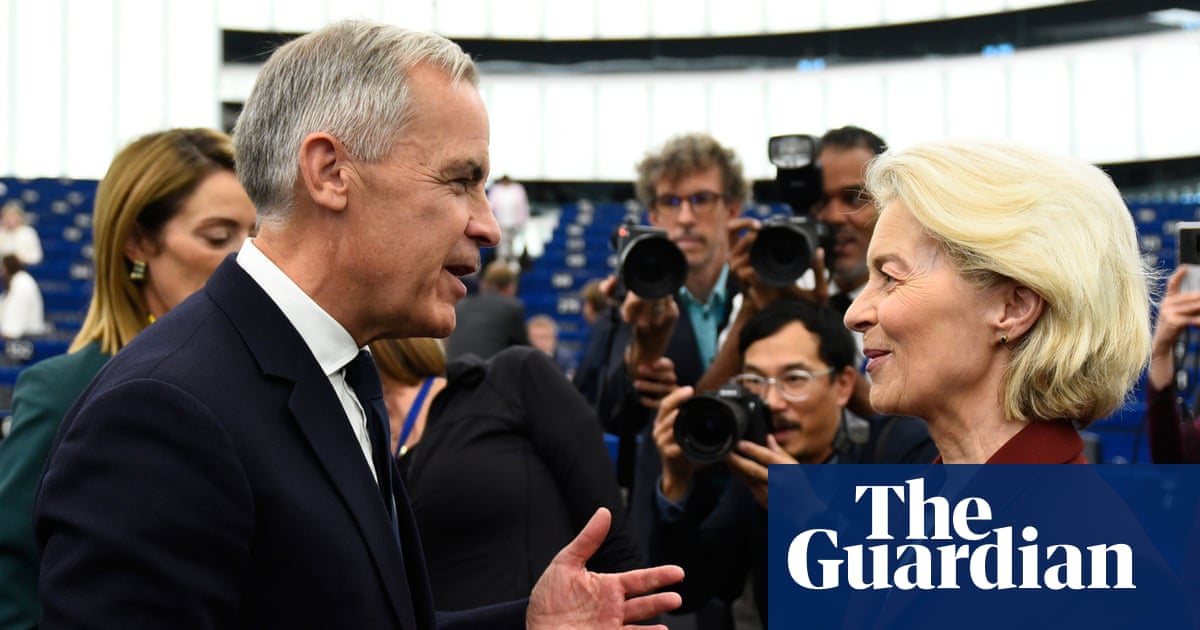
The European Commission has advanced a proposal to designate Canada as its first associate member, a diplomatic gesture intended to solidify transatlantic cooperation in an era marked by geopolitical volatility. Ursula von der Leyen, the commission president, framed the initiative around shared perspectives on critical issues including artificial intelligence regulation, climate action, and the conflict in Ukraine. The suggestion was met with enthusiasm in Ottawa, where Prime Minister Mark Carney welcomed the concept of a future alliance built on collective resilience and deep cooperation.
Despite the warm reception, the proposal faces immediate scrutiny regarding its legal feasibility. Associate membership is not currently recognized within the European Union’s treaties, nor is there an established blueprint for what such a status would entail. Critics in Brussels describe the term as a political hypothesis rather than a concrete institutional arrangement. The absence of a legal framework means that realizing this vision would require significant treaty reform, a process that member states have shown little appetite to undertake given the complexity and consensus requirements involved.
The timing of the proposal appears closely linked to escalating trade tensions between Canada and the United States under the current administration in Washington. Facing persistent tariff threats and rhetoric characterizing Canada as an extension of American territory, Ottawa has sought to diversify its economic and strategic partnerships. Aligning more closely with European industrial strategies, defense initiatives, and scientific research programs offers a potential counterbalance to reliance on its southern neighbor. Donald Trump dismissed the proposed tie-up as laughable and threatened further tariffs, underscoring the high-stakes environment driving these diplomatic maneuvers.
For the European Union, Canada represents an attractive partner due to its political stability, abundant critical minerals, and alignment with democratic values. The proposal also serves to bolster the bloc’s morale following recent setbacks, including Iceland’s rejection of deeper accession negotiations. By positioning Canada as a key ally, the EU aims to demonstrate its capacity to foster strategic autonomy among like-minded democracies without requiring full membership. This approach could help redefine the union’s role as an institutional hub for global cooperation beyond its geographic boundaries.
Historically, the concept of an outer ring of allied nations has been discussed since the tenure of former Commission President Jacques Delors. This 'second circle' model envisions countries bound by shared values and security interests but excluded from full voting rights or regulatory integration. Similar arrangements already exist for non-EU members of the European Economic Area, such as Norway and Switzerland, which enjoy single-market access while adopting EU rules without representation in Brussels. However, these models are largely tailored to European neighbors and may not translate directly to a distant partner like Canada.
Legal scholars argue that a realistic framework for EU-Canada relations would need to go beyond existing trade agreements like Ceta. Alberto Alemanno, a professor of EU law, suggested that the relationship might resemble the customized arrangements seen in the EU-Swiss partnership. Such a structure could facilitate collaboration in specific areas such as defense procurement, supply chain security, and participation in programs like Horizon Europe and Erasmus+. However, the precise mechanics of visa-free work access or shared regulatory committees remain undefined.
The broader implications of this proposal extend beyond Canada-EU relations. It may signal a shift toward a more flexible model of international engagement where democracies organize around strategic autonomy without formal union membership. This approach could offer lessons for other nations seeking closer ties with Europe, including the United Kingdom, which has expressed regret over its departure from the bloc. However, the lack of clarity regarding the scope and benefits of associate membership leaves many questions unanswered.
As discussions continue, the focus remains on translating political intent into actionable policy. While the proposal reflects a desire for deeper integration in areas such as defense and technology, the absence of a legal pathway means that progress will likely be incremental. The EU and Canada must navigate complex negotiations to define the parameters of their partnership, balancing the need for strategic alignment with the realities of institutional constraints. The outcome could set a precedent for how the bloc engages with non-European allies in an increasingly fragmented global landscape.
In the short term, the proposal serves as a symbolic affirmation of shared values and mutual interests. It highlights the willingness of both parties to explore new forms of cooperation in response to external pressures. However, without concrete steps toward treaty reform or detailed agreements on specific sectors, the concept of associate membership remains largely aspirational. The coming months will reveal whether this diplomatic initiative can evolve into a substantive framework for transatlantic collaboration.
Sources behind this briefing
Go to the original reporting
- The Guardian World↗The EU’s Canada offer is more mood than reality but it could hint at a future geometry for the bloc

