The short version
- European officials praised Spain for managing the sudden arrival of tens of thousands of migrants in Ceuta without breaching the Schengen zone.
- The EU migration commissioner criticized Madrid’s plan to regularize half a million undocumented residents, calling it a poor signal for other member states.
- Italy and Denmark suspended border checks with Spain, while Brussels proposed new early-warning systems and stronger external border cooperation.
European Union interior ministers have formally commended Spain for its handling of the recent migrant crisis in Ceuta, describing the response as swift and effective. The emergency meeting, convened to address the political fallout from the influx, concluded with a message of solidarity aimed at calming tensions among member states who had previously expressed alarm. Officials emphasized that the situation is now under control and that the integrity of the Schengen area remains intact.
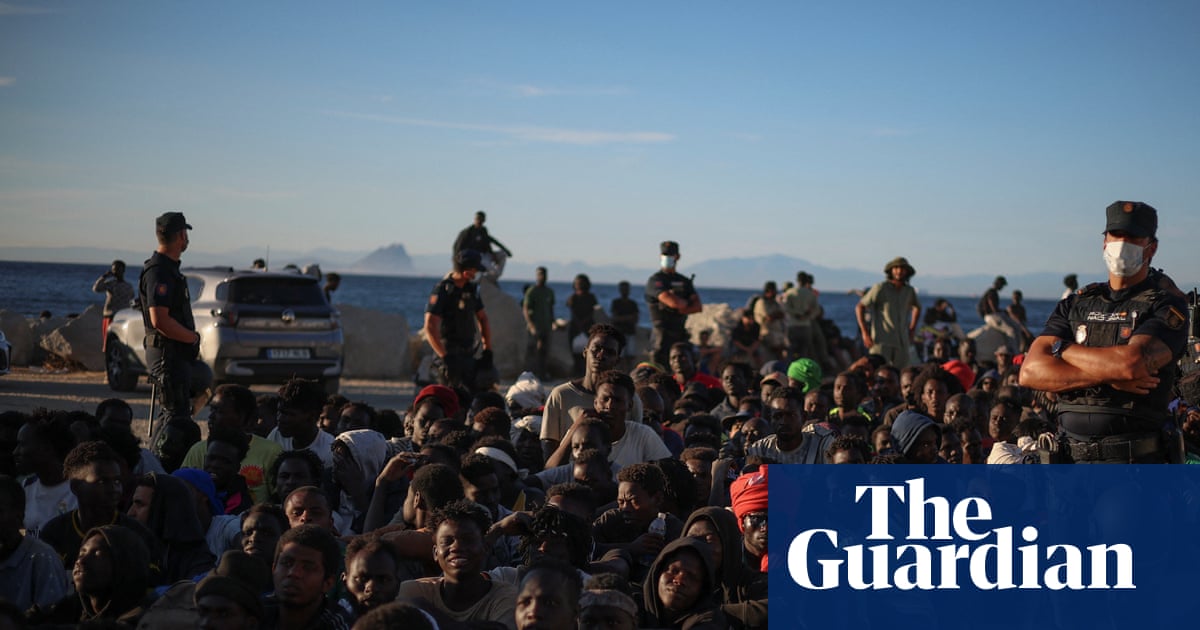
The crisis began when approximately 72,000 people crossed from Morocco into the Spanish enclave in just two days last month. Spain’s interior minister reported that roughly 70,000 of those individuals have since been returned to Morocco. The event resulted in significant loss of life, with Spanish authorities confirming at least 75 deaths on their side of the border and Ceuta officials reporting an additional 88 fatalities, including 11 on the Moroccan side. Images from the scene showed large crowds gathering for aid, highlighting the humanitarian scale of the incident.
Despite the praise for operational management, significant disagreement remains regarding Spain’s domestic migration policies. Magnus Brunner, the EU commissioner for migration, stated that while the regularisation scheme is a matter of national competence, it sends a negative signal to the rest of Europe. The plan aims to grant legal status to 500,000 undocumented migrants and asylum seekers, a move that has already attracted nearly 1.2 million applicants. Brunner noted that the policy primarily benefits Latin Americans with cultural and linguistic ties to Spain, but warned it could encourage irregular migration elsewhere.
This criticism aligns with concerns raised by a coalition of 22 EU nations, led by Italy and Denmark, who signed a letter characterizing the amnesty as a pull factor for illegal migration. These countries argued that such policies undermine collective border security efforts. The dispute highlights the ongoing friction between national sovereignty in migration matters and the EU’s desire for a unified approach to external borders.
Tensions were further exacerbated by Italy’s decision to temporarily reintroduce border checks with Spain, a move supported by Finland and Denmark. Although the two countries do not share a land border, the suspension affects air travel and involves additional passenger screenings. Spanish Prime Minister Pedro Sánchez condemned these actions as driven by prejudice and political interest, noting that Ceuta is not part of the Schengen zone. French officials, however, maintained that the Schengen system itself was not the problem, even as they stepped up their own controls.
During the meeting, ministers endorsed a five-point strategy proposed by European Commission President Ursula von der Leyen to strengthen Europe’s external borders. The plan includes developing early-warning systems, improving cooperation with non-EU countries, and enhancing efforts to combat migrant smuggling networks. Officials stressed the need for better situational awareness through pre-frontier intelligence and social media monitoring to counter malicious actors who may manipulate information to drive migration flows.
The EU’s foreign policy service is currently investigating the potential role of Russian disinformation in fueling the crisis, though officials caution that it is too early to draw definitive conclusions. Migration commissioner Brunner suggested that criminal networks and online misinformation likely played a key role in organizing the mass crossing. The incident follows a Supreme Court ruling in Spain that prevented the summary return of migrants stopped at sea, a decision Moroccan authorities had warned would cause problems.
Humanitarian concerns remain high, particularly regarding the treatment of unaccompanied minors. Local reports indicate that around 800 children are being held in facilities across Ceuta. The Spanish government has allocated approximately 25 million euros to assist these minors and ensure their rights are respected. As the EU moves forward with its new border security measures, the focus will shift to preventing similar incidents while managing the political divisions that have surfaced within the bloc.
The Ceuta crisis underscores the fragility of European migration policy in an era of rising nationalist sentiment and complex geopolitical dynamics. While immediate fears of a Schengen breakdown have subsided, the underlying issues of border control, solidarity, and national policy autonomy remain unresolved. The coming months will likely see continued debate over how to balance security concerns with humanitarian obligations across the continent.
Sources behind this briefing
Go to the original reporting
- The Guardian World↗EU chief criticises Spain’s migrant plan after Ceuta crisis meeting
- BBC News↗EU commends Spain's 'swift response' to Ceuta migrant crisis

