The short version
- The European Union agreed to extend sanctions on Russia for three years, a significant shift from the standard six-month review cycle.
- Two Russian billionaires were removed from the blacklist at the request of France and Luxembourg, sparking diplomatic friction within the bloc.
- Ukrainian officials condemned the exemptions as unjustifiable, arguing they undermine the integrity of the sanctions regime.
The European Union has reached a compromise to extend its sanctions regime against Russia for three years, marking a departure from the standard six-month review cycle. This decision allows the bloc to maintain restrictions on nearly 3,000 individuals and companies accused of supporting the war in Ukraine while simultaneously removing two prominent Russian billionaires from the blacklist. The agreement was finalized just before a deadline expired on Tuesday, preserving the broader sanctions framework despite significant internal disagreement among member states regarding the specific exemptions.
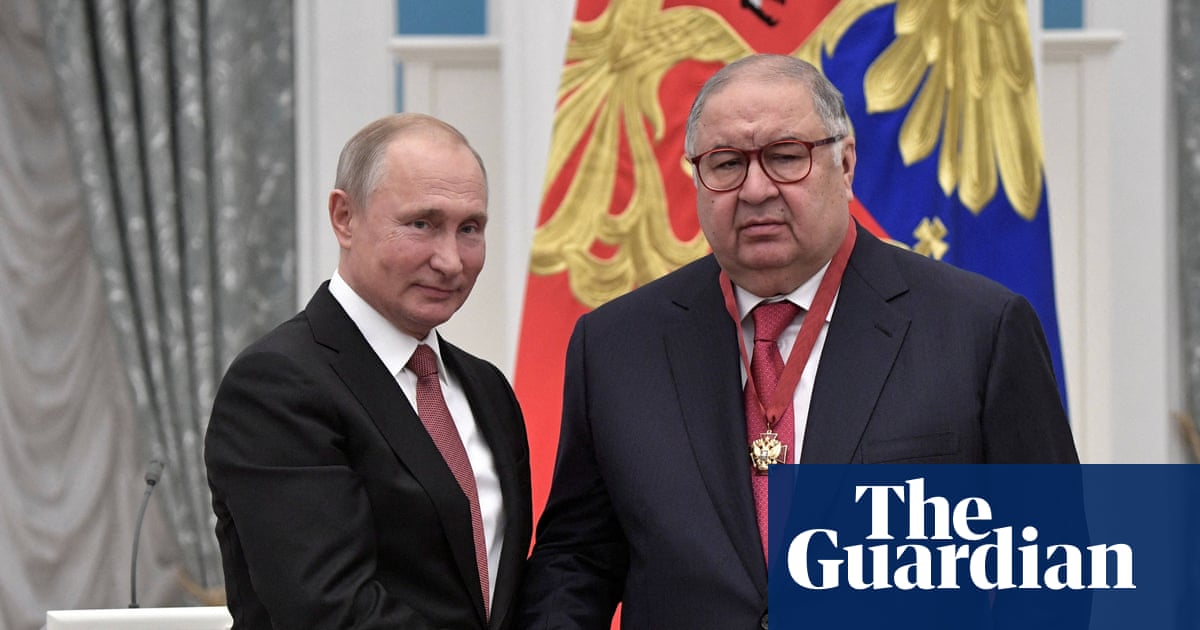
The delisting of Alisher Usmanov and Mikhail Fridman was driven by national interests cited by France and Luxembourg, respectively. France argued for Usmanov’s removal on national security grounds, reportedly linked to a prisoner exchange involving French nationals and Azerbaijan. Meanwhile, Luxembourg sought the exemption for Fridman, who is currently suing the Grand Duchy for 16 billion euros over the freezing of his assets. These requests created a diplomatic standoff, as EU sanctions require unanimous approval, meaning any single member state can block or demand changes to the list.
Many EU governments expressed anger and concern that allowing member states to weaken sanctions in defense of national interests sets a dangerous precedent. The compromise was described by Ireland, which holds the EU presidency, as difficult but necessary to preserve the overall durability of the sanctions framework. By extending the renewal period to 36 months, officials aim to enhance predictability and reduce the administrative burden of frequent reviews, even though this came at the cost of removing two high-profile figures.
Ukraine reacted strongly against the decision, with President Volodymyr Zelenskyy stating on social media that no name on the sanctions list is there by accident. He emphasized that each designation represents a reason why the war started and continues. Andrii Sybiha, Ukraine’s foreign minister, called the move shameful and unjustifiable, arguing that it provides Moscow with a sense of impunity and humiliates the EU. He warned that the decision highlights division among Europeans, which could be exploited by Russian leadership.
The path to agreement was fraught with last-minute objections, particularly from Latvia. Facing parliamentary elections on October 3, the Latvian government initially refused to accept the proposed compromise. Prime Minister Andris Kulbergs instructed his foreign minister to engage in talks with Paris and Brussels to find a solution that did not involve delisting the oligarchs. Diplomats reported that Latvia eventually agreed to abstain rather than block the entire package, allowing the broader sanctions extension to proceed.
The blacklist maintained under this agreement includes Russian President Vladimir Putin, Foreign Minister Sergey Lavrov, members of the Duma, major banks, energy companies, and entities within the military industrial complex. The decision reflects the complex balance EU member states must strike between maintaining a unified front against Russia and addressing specific national legal or security concerns. While the core sanctions remain intact, the removal of Usmanov and Fridman has drawn scrutiny regarding the consistency and political vulnerability of the bloc’s punitive measures.
Looking ahead, senior EU officials have promised to present approximately 1,600 new designations next month. These additions will target individuals and entities involved in the Russian military industrial complex, aiming to tighten the net around those supporting the war effort. However, the recent standoff suggests that future negotiations may face similar difficulties. The process of agreeing on sanctions has become increasingly tortuous, as seen in the previous round agreed upon in July, indicating that maintaining unity will require continuous diplomatic effort.
The three-year extension is intended to provide stability and signal long-term commitment to pressuring Russia. Nevertheless, the controversy surrounding the exemptions underscores the challenges of enforcing collective action when national interests diverge. As the EU moves forward with new designations, it must navigate the delicate task of reinforcing its sanctions regime while managing internal dissent. The outcome of this compromise will likely influence how future sanctions are negotiated and implemented within the bloc.
Sources behind this briefing
Go to the original reporting
- The Guardian US↗EU removes two oligarchs from Russia sanctions list as deadline looms

