The short version
- The European Union's digital entry and exit system has caused substantial delays and frustration for non-EU citizens traveling through Schengen zone borders during the peak summer season.
- Travelers report critical data errors, including unrecorded departures that incorrectly deplete their permitted stay allowances, creating risks of future entry bans.
- While authorities allowed temporary relaxations of biometric requirements to manage queues, concerns persist regarding system interoperability and the repeated collection of personal data.
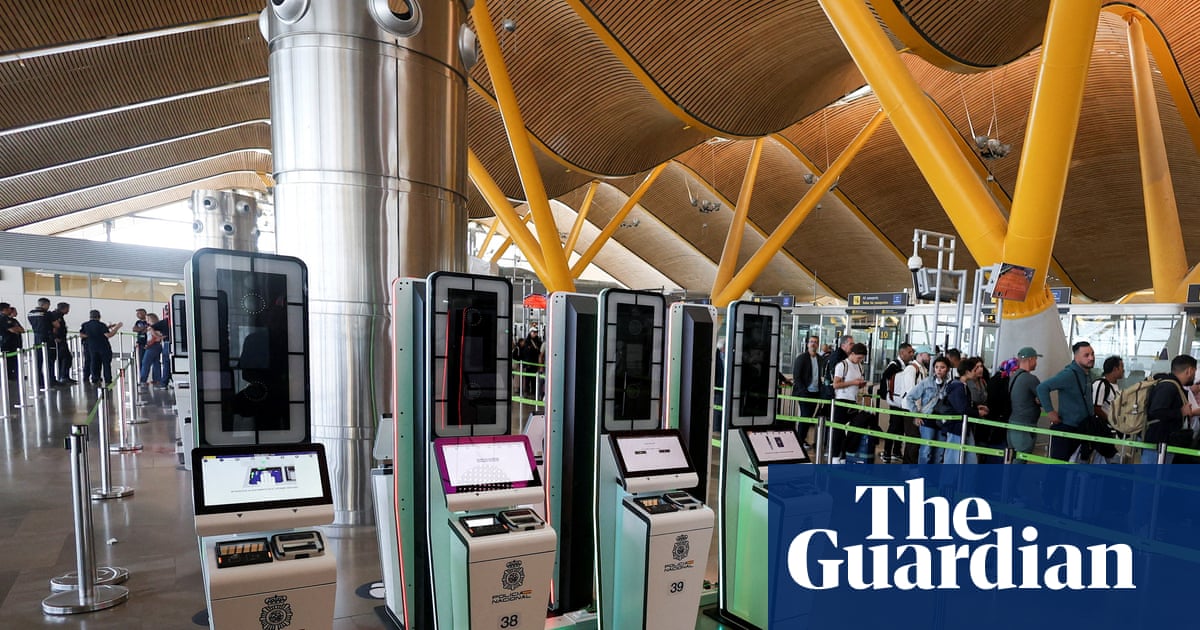
British travelers heading to the European Union this summer encountered significant disruptions caused by the bloc’s newly implemented digital border control measures. The Entry/Exit System, designed to automate the registration of non-EU citizens entering and leaving the Schengen area, has been operational since April after a pilot phase last autumn. However, the transition has been marked by technical instability and logistical bottlenecks that have compounded existing travel anxieties regarding extreme heat and potential fuel shortages.
The primary function of the system is to monitor compliance with the rule limiting non-EU visitors to ninety days within any one hundred and eighty-day period. By requiring biometric data collection, including fingerprints and photographs, at both arrival and departure, the scheme aims to replace manual passport stamping. Despite these intentions, the implementation has faced severe criticism from passengers who have experienced hours of waiting times and missed flight connections. Reports indicate that some travelers faced delays lasting up to three hours, prompting calls from airlines and airport operators to suspend the system during the busy summer months.
Brussels declined requests to halt the rollout, maintaining that the system must proceed despite the operational difficulties. In response to unmanageable queues, border police were granted permission to relax certain requirements under a temporary opt-out provision. This measure, which allows officials to bypass full biometric processing when lines become excessive, is set to expire next month. The decision reflects a tension between enforcing strict regulatory compliance and maintaining the flow of international travel during peak periods.
Beyond the immediate inconvenience of long waits, travelers have raised serious concerns about the accuracy of the data recorded by the system. One retired academic reported that his departure from the Schengen zone was not properly logged, causing his available stay allowance to diminish incorrectly. He discovered that while he had physically left the area, the digital record suggested he remained inside, potentially flagging him as an overstayer. This error could lead to future entry refusals, a risk that underscores the high stakes of accurate data management in border control.
The individual affected by this discrepancy attempted to resolve the issue by contacting French authorities but received no response for weeks. When he eventually checked his status online, the system showed zero days remaining, only to update later with a corrected balance. His spouse, who traveled on the same itinerary, reportedly retained her full allowance, highlighting inconsistencies in how the system processes identical travel histories. These discrepancies suggest that the database may not be reliably syncing individual records across different entry and exit points.
Other travelers have pointed out systemic issues regarding communication between member states. A solicitor from Manchester described her experience at Frankfurt Airport as confusing and inefficient, noting a lack of clear signage or staff assistance to guide passengers through the new procedures. She observed that despite having already provided biometric data in previous visits, she was required to do so again. This repetition contradicts the stated goal of the system, which is to streamline border crossings by storing initial registration data for future use.
The requirement to repeatedly submit fingerprints has also drawn criticism from privacy-conscious travelers who question where this sensitive information is stored and who has access to it. The lack of transparency regarding data sharing between different EU countries adds to the uncertainty surrounding the system’s operation. Passengers are left wondering whether their biometric profiles are being updated in real-time across all member states or if silos of information are causing redundant checks and potential errors.
Students and long-term visa holders face additional confusion as the system appears designed primarily for short-term visitors. One university student studying in Munich noted that airport signage described the system as a tool for registering visitors, which does not accurately reflect her status as a resident with a twelve-month visa. This mismatch between the system’s design and the diverse realities of non-EU travelers suggests that the implementation may not fully account for all categories of entry, leading to further administrative friction.
As the temporary relaxation of border checks nears its end, the pressure on the system is expected to increase. The combination of technical glitches, data inaccuracies, and procedural confusion has left many travelers uncertain about their legal status within the Schengen zone. Without significant improvements in system reliability and inter-agency coordination, the Entry/Exit System risks undermining the very efficiency it was meant to create, leaving both authorities and passengers grappling with a fragmented border control landscape.
The coming months will be critical in determining whether these issues are temporary teething problems or indicative of deeper structural flaws. If the system continues to produce errors that affect travelers’ ability to enter the EU, it could lead to broader diplomatic tensions and calls for reform. For now, British citizens and other non-EU nationals must navigate a border environment that is still finding its footing, balancing security objectives with the practical realities of international travel.
Sources behind this briefing
Go to the original reporting
- The Guardian US↗‘Pretty shambolic’: new EU border checks cause stress for UK travellers

