The short version
- The European Union's flexibility period for enforcing biometric border checks expired on September 6, theoretically requiring full implementation of the Entry/Exit System.
- Technical issues in France and ongoing manual processing at major UK-EU crossing points mean many travelers will not face new biometric requirements immediately.
- Aviation industry groups are urging Brussels to extend suspension powers, citing previous disruptions that damaged passenger confidence and incurred high costs for airlines.
The European Union’s temporary flexibility measures regarding border controls officially concluded on September 6, marking the end of a period during which member states could pause enforcement of the bloc’s new Entry/Exit System. This regulatory shift was intended to standardize biometric data collection for non-EU citizens entering and leaving the Schengen area. However, despite the expiration of these discretionary powers, indications from multiple sources suggest that full compliance is not imminent across all borders.
The transition has been fraught with operational challenges that have already manifested in significant disruptions during earlier peak travel periods. In early summer, several European airports experienced severe congestion as border agencies attempted to implement the new digital registration requirements. These bottlenecks resulted in numerous passengers missing their flights and connections, prompting urgent appeals from the aviation sector for more time to adjust infrastructure and procedures.
Airlines and travel industry representatives have consistently argued that the system is not yet ready for universal enforcement. The International Air Transport Association highlighted the tangible negative impacts on passengers, noting that systemic failures erode trust in European travel infrastructure. Furthermore, carriers face substantial financial penalties when delays cause missed connections, creating a strong economic incentive to avoid further chaos.
Despite these industry pleas, the European Commission has not extended the official period of operational adjustment beyond the September deadline. A commission spokesperson indicated that while the formal flexibility window has closed, Brussels remains in contact with specific member states experiencing difficulties. The commission stated it is prepared to offer additional support to those few border crossing points that require further time to stabilize their operations.
In practice, this support appears to translate into continued lax enforcement rather than strict adherence to the new rules. Technical problems have plagued the implementation of the Entry/Exit System in France, a major destination for cross-Channel travelers. Consequently, passengers traveling to French territories are not expected to encounter changes in border procedures next week, as the software commissioned by French authorities remains problematic.
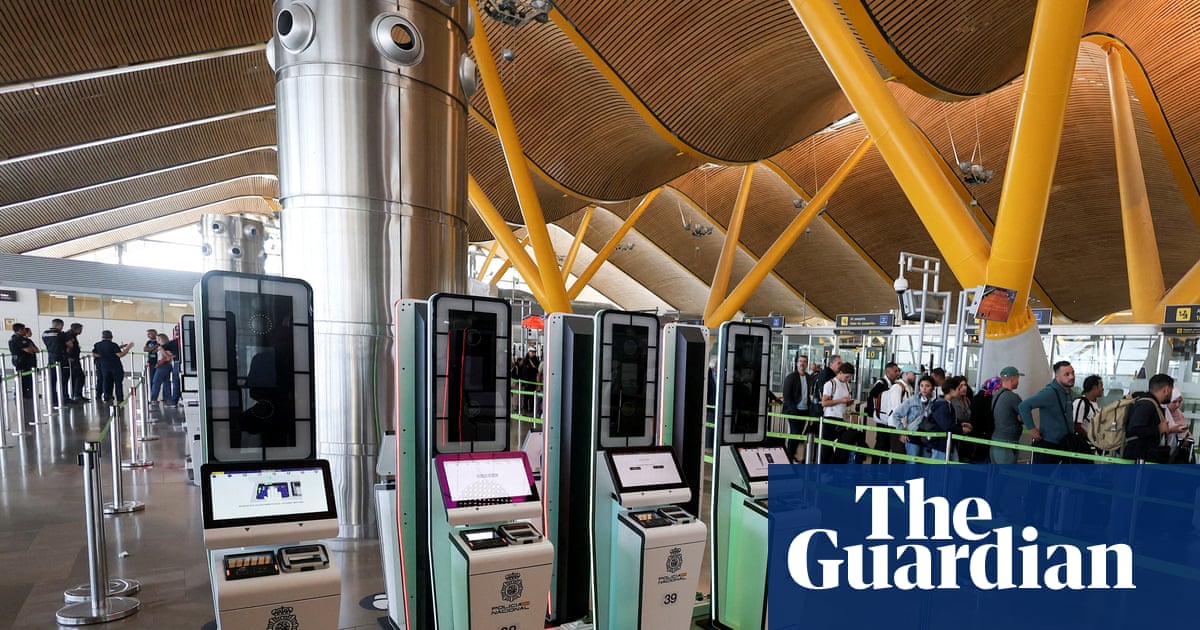
The situation is similarly stagnant at key transport hubs connecting the United Kingdom and mainland Europe. Expensive fingerprinting kiosks installed by Eurotunnel, the Port of Dover, and Eurostar at London St Pancras International are still not functional. As a result, car drivers crossing from Dover are not subject to the new biometric checks, and Eurostar continues to process enrollments manually through border officers rather than using automated systems.
Industry insiders suggest that this pattern of non-enforcement is likely to continue in other high-traffic areas as well. A senior airline source noted that border officials in popular tourist destinations, particularly Greece, have unofficially exempted UK passengers from EES checks to prevent the formation of long queues. This informal arrangement allows travel to proceed without the delays associated with the new biometric requirements.
Travel advocacy groups are maintaining pressure on European regulators to acknowledge these realities. Luke Petherbridge of Abta emphasized that the Entry/Exit System is not yet fully or consistently operational across all participating countries. The trade body continues to push for an official extension of suspension powers, arguing that premature enforcement risks repeating the disruptions seen earlier in the year.
As the holiday season progresses, travelers should anticipate a patchwork of border control standards rather than a uniform application of EU law. While the legal framework demands biometric verification, technical limitations and operational pragmatism are likely to keep many airports and crossing points operating under the old, less stringent protocols for the foreseeable future.
The divergence between regulatory intent and on-the-ground reality highlights the complexities of implementing large-scale digital border management systems. Until technical issues are resolved and infrastructure is fully deployed, the promise of streamlined, secure border crossings remains elusive, leaving passengers to navigate an inconsistent landscape of enforcement.
Sources behind this briefing
Go to the original reporting
- The Guardian World↗Travellers to EU face renewed queues as border-check flexibility rules expire