The short version
- The EU agency responsible for large-scale IT systems has filed a lawsuit against IBM, Atos, and Leonardo over delays in delivering the border management system.
- Travelers have experienced significant disruptions, including three-hour wait times and missed flights, due to technical outages and staffing shortages since the system's launch.
- Officials maintain that the legal dispute concerns past development issues rather than current operational stability, asserting the system remains fully functional across Europe.
The European Union has initiated legal proceedings against a consortium of technology firms responsible for implementing its new border management infrastructure. The lawsuit targets IBM, French IT provider Atos, and Italian defense contractor Leonardo, alleging failures in delivering the entry/exit system according to contractual timelines. This legal move was disclosed in recent annual accounts from EU-Lisa, the bloc’s agency for large-scale IT systems in justice and security, which stated it activated available remedies to protect its financial interests following various delivery delays.
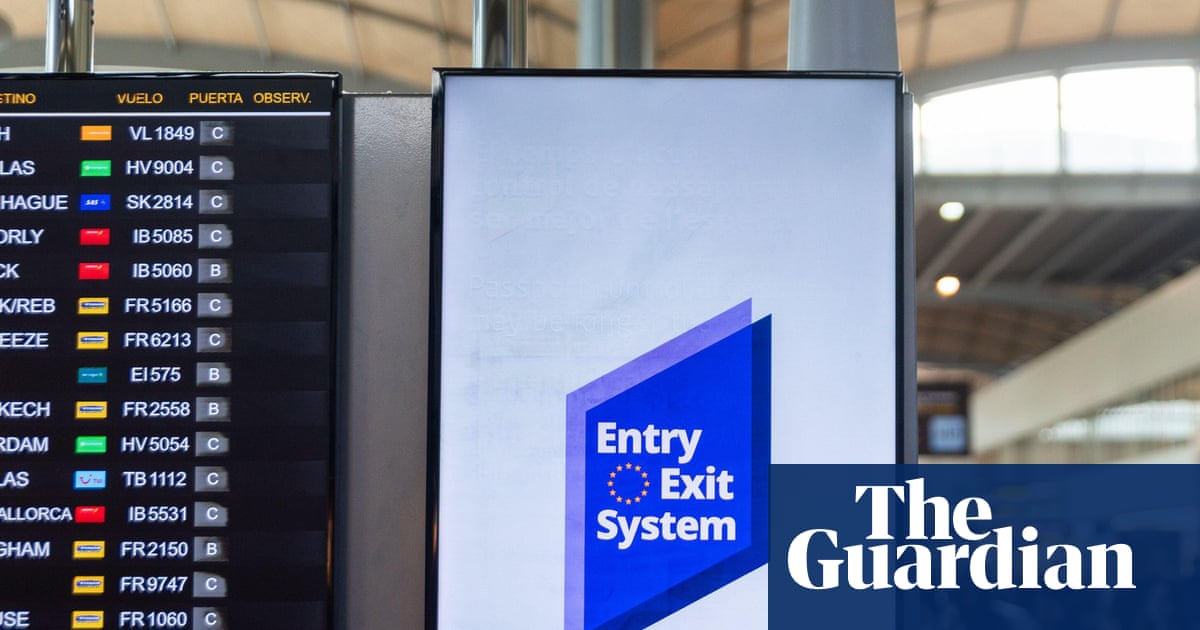
The entry/exit system began operations in October 2025, introducing stricter security protocols for travelers entering the Schengen area. The technology requires non-citizens of Schengen member states, Ireland, or Cyprus to undergo biometric checks, including facial photography and fingerprint scanning, before crossing borders. While designed to enhance security within the bloc’s border-free travel zone, the rollout has been marred by significant technical difficulties that have impacted passenger experience at major airports.
Reports indicate that the system has suffered from regular outages and malfunctioning kiosks since its launch. These technical failures, combined with a reported lack of staff at border checkpoints, have led to severe bottlenecks during peak travel periods. Some passengers have missed flights due to wait times extending up to three hours, prompting complaints from airport authorities about the reliability of the new infrastructure. The disruptions highlight the challenges of integrating complex biometric technology into high-volume transit hubs.
EU-Lisa filed its claim on December 22, 2025, with a court in Estonia, where the agency is headquartered. The decision to pursue legal action underscores the severity of the contractual breaches perceived by the agency. However, the European Commission has clarified that it is not a party to this specific case. The Commission noted that the lawsuit concerns delays during the system's development phase rather than its current operational status, attempting to separate past implementation failures from present-day functionality.
Despite the legal challenges and reported technical issues, officials maintain that the entry/exit system is fully operational across Europe. EU-Lisa stated that the lawsuit has no impact on the functioning of the border management tools currently in use. This assertion aims to reassure travelers and member states that security checks remain effective despite the ongoing dispute with the technology providers. The distinction between development delays and operational stability is central to the agency's public messaging.
The consortium members have not yet provided detailed responses to the allegations. The Guardian has reached out to IBM, Atos, and Leonardo for comment regarding the lawsuit and the reported system failures. EU-Lisa also declined to provide further details on the legal case, citing its active status. The lack of immediate commentary from the companies leaves the specific nature of the contractual disputes largely opaque to the public.
The entry/exit system represents a significant shift in how the EU manages border security. By mandating biometric data collection for non-EU travelers, the bloc aims to strengthen control over who enters and exits the Schengen area. The system covers 25 of the 27 EU member states, along with Iceland, Liechtenstein, Norway, and Switzerland. Its successful implementation is critical for maintaining the integrity of the border-free zone while addressing security concerns.
As the legal case proceeds in Estonia, the focus remains on whether the technology firms will be held financially accountable for the delays. The outcome could have implications for future public-private partnerships in European infrastructure projects. Meanwhile, travelers continue to navigate a system that promises enhanced security but has delivered inconsistent performance. The balance between operational continuity and contractual enforcement will likely remain a point of contention in the coming months.
The incident highlights the broader challenges of digital transformation in government services. Large-scale IT projects often face risks related to integration, staffing, and technical reliability. The EU’s decision to sue its contractors signals a willingness to enforce strict accountability for public technology investments. As the system matures, it will be important to monitor whether the reported outages persist or if they were isolated incidents during the initial rollout phase.
For now, the entry/exit system remains in place, with biometric checks continuing at border crossings across Europe. The legal dispute serves as a reminder of the complexities involved in deploying such extensive technological networks. Stakeholders will be watching closely to see how the resolution of this case affects future collaborations between EU agencies and private technology providers.
Sources behind this briefing
Go to the original reporting
- The Guardian US↗EU sues IBM and two European firms over troubled entry/exit border system


