The short version
- A seven-group rebel alliance including the TPLF has launched attacks against Ethiopian government forces in multiple northern regions.
- The offensive includes the seizure of three airports and towns near Addis Ababa, prompting flight suspensions and international calls for restraint.
- Analysts warn that shifting alliances and potential Eritrean involvement could destabilize the broader Horn of Africa region.
Fears of a return to large-scale civil war in Ethiopia have intensified following a coordinated offensive by rebel groups from Tigray into neighboring regions. The escalation marks a significant breach of the uneasy calm that has persisted since the 2022 Pretoria Agreement ended the devastating conflict between the federal government and the Tigray People’s Liberation Front (TPLF). Both sides are currently accusing each other of triggering this renewed open conflict, which threatens to unravel years of fragile peacebuilding efforts.
The violence began with the announcement of a new rebel coalition called the Ethiopian Peoples’ Forces Alliance for Survival. This alliance comprises seven armed groups from across the country and explicitly aims to depose Prime Minister Abiy Ahmed’s government in Addis Ababa. The formation of this broad coalition signals a strategic shift, uniting factions that were previously fragmented or even aligned with the federal forces during the earlier war.
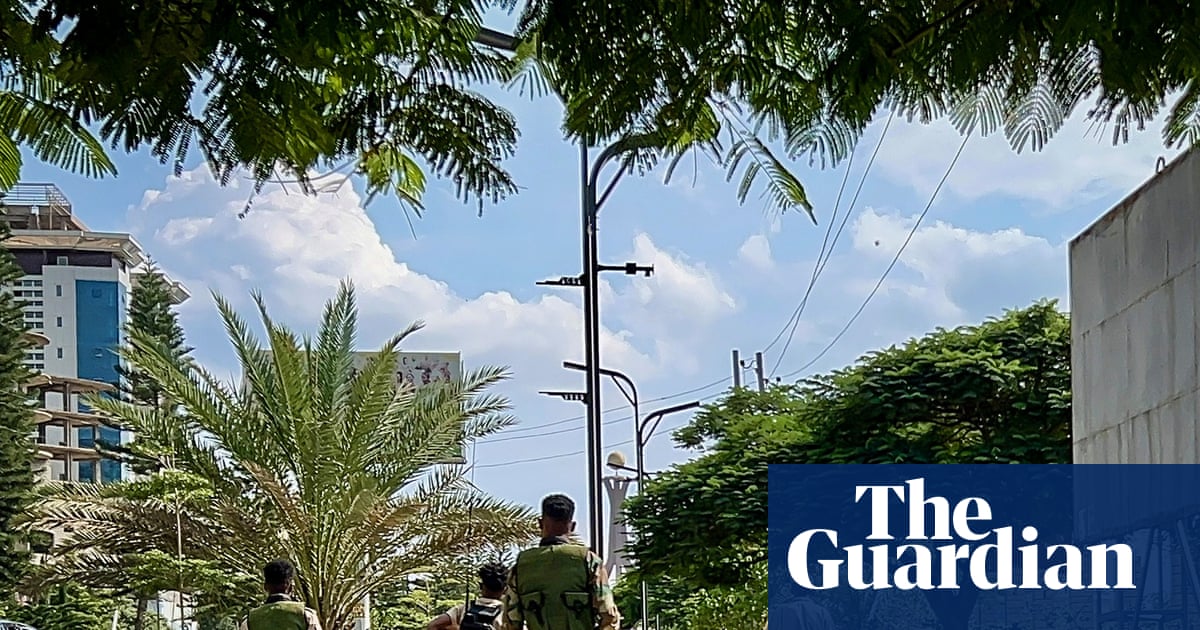
Military operations have escalated rapidly over the past week. TPLF fighters seized control of three airports from federal police, leading Ethiopian Airlines to suspend flights to the region due to safety concerns. Ground troops also launched attacks into the Afar and Amhara regions. In Afar, heavy artillery fire was reported as rebels attempted to capture the town of Yallo near the Tigrayan border. Control of Abala, another border town, reportedly shifted to rebel hands, along with several other locations in Afar.
The strategic implications of these moves are severe. Fighting has been reported around Weldiya, a key Amhara town that serves as one of the few remaining routes to the capital, Addis Ababa. The federal army claims to have killed 272 TPLF soldiers during attacks in the North Wollo Zone of Amhara, though these figures remain unverified by independent monitors. No casualty numbers have been released for federal forces or civilians, leaving the human cost of this new phase unclear.
TPLF leadership has characterized the current situation as a full-blown war. Vice-President Amanuel Assefa confirmed that Tigrayan forces are fighting alongside local armed groups in Afar and Amhara. This cooperation represents a dramatic reversal from the 2020-2022 conflict, when groups like Fano—an insurgent faction now part of the new alliance—fought alongside the government against the TPLF. The shifting dynamics suggest that previous alliances have dissolved, replaced by a unified front against the central government.
International observers are closely monitoring the role of Eritrea, Ethiopia’s historic adversary. Analysts suggest that the TPLF may receive support from Asmara, which fears landlocked Ethiopia might attempt to invade its territory to gain access to the Red Sea. While Assefa stated there was no information regarding Eritrean plans and denied any immediate request for intervention, government spokesperson Billene Seyoum accused alliance members of collaborating with financial backing from Eritrea. Eritrea has repeatedly denied such accusations.
The Ethiopian government has responded with strong rhetoric. President Taye Atske-Selassie Amde addressed the United Nations General Assembly, condemning forces of destruction and mayhem while accusing adversarial elements of interfering in internal affairs. He emphasized that Ethiopia had exercised immense restraint and made progress with its neighbors. The federal narrative frames the rebel offensive as an external threat rather than a domestic political dispute.
The international community has urged immediate de-escalation. African Union Chair Mahmoud Ali Youssouf called for utmost restraint from all warring parties and advocated for the resumption of direct talks. An EU spokesperson similarly demanded a recommitment to the Pretoria Agreement. The stakes extend beyond Ethiopia’s borders, as renewed fighting could draw in armed groups from across the region and further destabilize an area already strained by war in neighboring Sudan and tensions along the Red Sea.
The TPLF ruled Ethiopia from 1991 until 2018, before being sidelined by the rise of Abiy Ahmed. This political marginalization eventually triggered the civil war that killed approximately 600,000 people between 2020 and 2022. The current offensive represents the most serious challenge yet to the peace process established in Pretoria. As fighting continues, the potential for a broader regional conflict looms large, threatening to undo recent diplomatic gains and plunge millions back into insecurity.
What comes next remains uncertain. The ability of the federal government to contain the offensive and the willingness of international partners to mediate will determine whether this escalation leads to a negotiated settlement or a prolonged return to war. With key routes to the capital under threat and major airports closed, the immediate humanitarian and logistical challenges are already mounting. The coming days will be critical in assessing whether the Pretoria Agreement can survive this latest shock.
Sources behind this briefing
Go to the original reporting
- The Guardian World↗Fears of return to war as Tigray rebels launch offensive against Ethiopian army