The short version
- Shein received a score of 28 out of 100, surpassing major Australian retailers like Myer and Windsor Smith in an ethical fashion assessment.
- The Baptist World Aid report found that only 13 percent of surveyed companies could demonstrate payment of living wages to supply chain workers.
- Many low scores resulted from a lack of participation, with over half of the assessed businesses providing no additional information beyond public records.
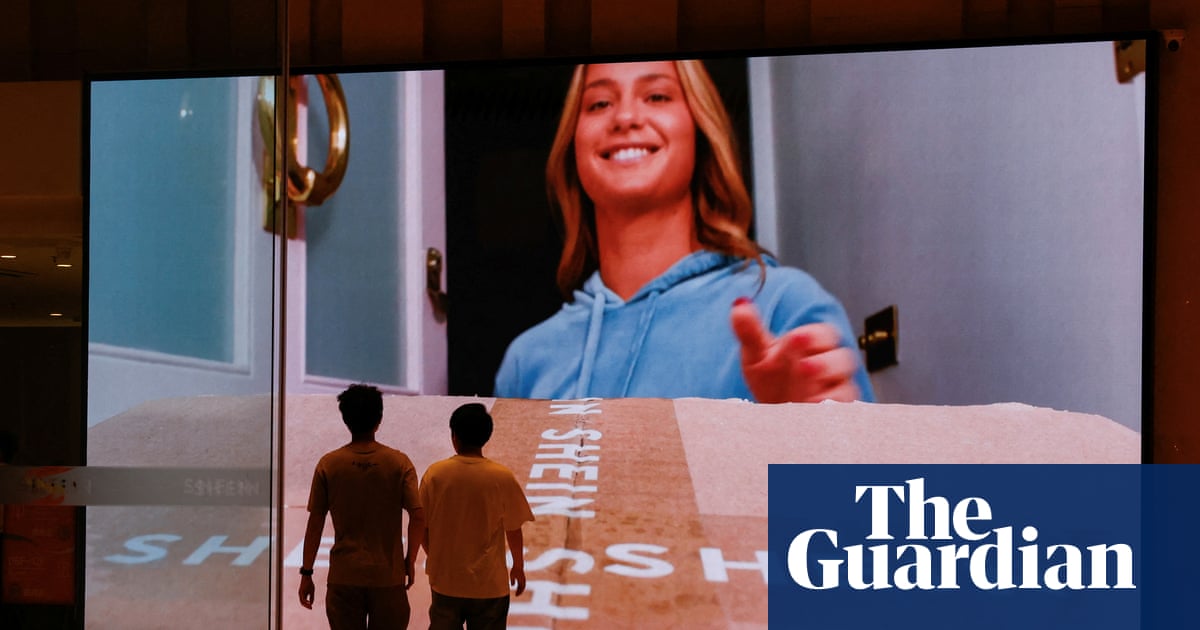
A comprehensive review of fashion industry ethics has revealed that Shein, the Chinese ultra-fast fashion e-commerce platform, achieved higher ethical standards than several prominent Australian retailers. The eleventh annual report by Baptist World Aid evaluated 138 companies representing 543 brands, assessing their practices across five key supply chain areas including worker empowerment and environmental sustainability. While Shein’s score of 28 out of 100 remained below the industry average of 31.5, it exceeded the ratings of well-known domestic entities such as Myer, Windsor Smith, Ghanda, and Boardriders, which owns Quiksilver.
The disparity in scores largely reflects differences in corporate transparency rather than a definitive ranking of moral superiority. Baptist World Aid researchers engaged with companies over a 13-month period, sending approximately 16 communications to ensure awareness of the assessment process. Shein provided additional internal information to support its evaluation, whereas competitors like Windsor Smith and Ghanda did not participate. Consequently, these non-participating brands were assessed solely on publicly available data, a methodology that typically yields lower rankings due to limited visibility into internal operations.
The report underscores a systemic failure in the global fashion industry regarding worker compensation. Only 13 percent of the surveyed companies could provide evidence of paying a living wage to any workers within their supply chains. This metric is central to the assessment, which aims to measure the strength of systems designed to protect against exploitation from raw material gathering through garment manufacturing. The low participation rate further complicates the picture, with 58 percent of businesses evaluated only on public records compared to 42 percent that offered more detailed insights.
Among the lowest performers were Ghanda and Windsor Smith, both receiving scores of zero. Temu, another Chinese e-commerce competitor to Shein, also scored zero. Other notable Australian brands fared poorly, with swimwear label Seafolly scoring one, activewear maker 2XU scoring two, and formal wear brand Bec and Bridge scoring three. Boardriders received a score of three, while Myer’s retail arm and apparel business achieved a score of 20. These figures highlight the challenges even established retailers face in demonstrating robust ethical frameworks.
Katherine Halliday, the ethical fashion lead at Baptist World Aid, defended the methodology against criticisms that focusing on living wages might inadvertently favor international fast-fashion brands. She emphasized that the report is designed to evaluate the strength of a company’s systems for protecting workers rather than judging absolute performance. Halliday noted that some companies possess a greater appetite for transparency, which allows for more accurate scoring. She expressed satisfaction with Shein’s improved score compared to previous years, attributing this change to increased public scrutiny and subsequent adjustments in the company’s practices.
The assessment analyzed over 15,000 data points derived from company policies, practices, and performance metrics. High-scoring brands demonstrated comprehensive efforts such as conducting factory audits, providing workers’ rights training, and assessing the environmental impact of their primary fibers. Denim brands, intimates apparel, outdoor gear, and some luxury labels emerged as top performers in this year’s review. The Australian underwear label Mighty Good Basics achieved the highest score of 94, though the report identified it as an outlier rather than a representative benchmark for the industry.
The findings come at a time when Australia ranks as the world’s highest consumer of textiles per capita. More than 200,000 tonnes of clothing end up in landfills annually, underscoring the environmental urgency behind these ethical assessments. The report identifies overproduction as a growing challenge to sustainability, noting that cheap prices often encourage excessive consumption. While Shein has faced criticism for its environmental footprint and role in promoting overconsumption, its willingness to engage with the assessment process allowed for a more nuanced evaluation than that of its silent competitors.
Despite the variations in individual scores, the overarching message from Baptist World Aid is one of widespread room for improvement. Halliday stated that everyone in the industry has significant work to do to enhance supply chain ethics. The report serves as a call for greater accountability and transparency across all market segments, from ultra-fast fashion giants to traditional high street retailers. As consumer awareness grows, the pressure on companies to disclose their practices and improve labor conditions is likely to intensify.
The methodology used in this year’s report continues to draw debate within the industry. Some brand owners have previously objected to sustainability reports that prioritize living wage metrics, arguing that this approach can skew comparisons between different types of retailers. However, Baptist World Aid maintains that rigorous engagement and clear criteria are essential for meaningful assessment. The organization’s commitment to contacting all assessed companies ensures that low scores due to non-participation are a reflection of corporate choice rather than oversight.
Looking ahead, the fashion industry faces increasing scrutiny regarding its social and environmental impact. The contrast between Shein’s participatory approach and the silence of major Australian retailers highlights a strategic divergence in how brands handle public accountability. While no company achieved a perfect score, the data provides a clear snapshot of current practices and areas needing urgent attention. Consumers and regulators alike are likely to use these findings to demand higher standards from both international and domestic fashion providers.
Sources behind this briefing
Go to the original reporting
- The Guardian World↗Fast-fashion giant Shein outperforms several Australian retailers on ethics, report says