The short version
- ESPN broadcast all eight NWSL final regular-season games simultaneously for the first time, utilizing a hybrid whiparound and watchalong format anchored by Ali Krieger and Kelsey Riggs Cuff.
- The coverage faced technical difficulties including feed cuts and audio synchronization issues, though it successfully captured key moments such as Gotham FC securing the Shield and Jess Fishlock’s farewell.
- This broadcast experiment occurs against a backdrop of media instability for the league, which recently dropped a partner due to missed payments despite a lucrative multi-year deal.
The National Women’s Soccer League concluded its regular season with a historic broadcasting experiment that placed all eight final matches on air simultaneously. For the first time in the fourteen-year history of the league, a single network carried every game, transforming what is traditionally a fragmented viewing experience into a centralized event. ESPN executed this ambitious slate from its headquarters in Bristol, Connecticut, deploying a production team that included more than one hundred fifty staffers across the United States and approximately twenty at the main studio.
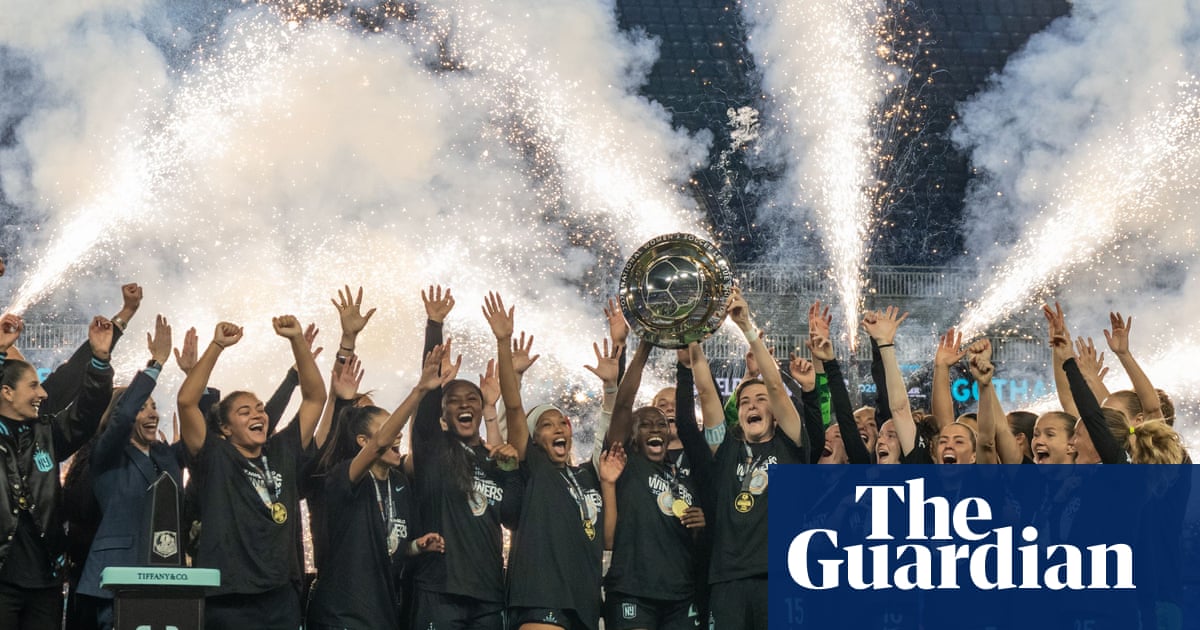
The scale of the operation was driven by the high stakes involved. With sixteen teams participating in the final round, the league faced a complex web of implications for playoff positioning and home-field advantage. Gotham FC and San Diego Wave were competing for the NWSL Shield, while four other clubs vied for superior seeding and three fought for the final postseason berths. To manage the uncertainty, the league simulated the day’s outcomes fifty thousand times, identifying over two hundred potential playoff bracket configurations and thousands of possible result combinations.
Ali Krieger, a former Gotham FC captain who transitioned to a lead analyst role at ESPN, co-hosted the coverage with Kelsey Riggs Cuff. Their show blended elements of traditional whiparound broadcasts with interactive watchalong features, drawing inspiration from women’s basketball analysis and popular sports talk formats. The hosts prepared extensively for the unpredictable nature of live sports, consulting researchers and compiling detailed notes to navigate the breaking news atmosphere that defined the day.
Despite meticulous planning, the broadcast encountered several technical disruptions. A surprise upset in a college volleyball match delayed the start of the studio show by twenty-five minutes, pushing the Gotham FC headliner into a later slot on ESPN2. During the Portland Thorns match, the video feed cut out just as a player approached a penalty kick, abruptly switching to an interview and then to a different game. Viewers also reported audio synchronization problems, highlighting the difficulties of managing multiple live feeds across various platforms including ESPN+ and linear television.
The coverage did manage to capture significant narrative moments despite the production challenges. Angel City FC scored three goals against Boston Legacy, while Washington Spirit netted a crucial goal during a triple-box display. The broadcast also highlighted Seattle Reign’s go-ahead goal, which proved vital for their playoff aspirations. Perhaps the most poignant moment came when Jess Fishlock was substituted in Seattle, allowing a national audience to witness the farewell of an NWSL icon who had defined the league for over a decade.
Krieger reflected on the intensity of Decision Day, noting that players exhibit a different level of urgency when more than just a win is at stake. Her perspective as a former player who also ended her career on a similar high-stakes day added depth to the analysis. The show featured guests such as Megan Rapinoe and Olivia Moultrie, providing real-time reactions from inside stadiums and recovery rooms, which helped maintain viewer engagement even when game footage was interrupted.
This broadcasting milestone arrives during a period of financial turbulence for the NWSL’s media rights landscape. Although the league signed a deal valued at sixty million dollars per season through 2027, it recently terminated its partnership with Victory+ after the streamer failed to make required payments. The fragmented nature of current distribution channels contrasts sharply with the unified presentation ESPN attempted on Decision Day.
The experiment serves as a test case for how major sports networks can handle simultaneous multi-game events in women’s soccer. While the technical glitches revealed the complexity of such an undertaking, the ability to centralize attention on multiple critical matches suggests a growing appetite for comprehensive coverage. As the league moves into the postseason, the success or failure of this broadcast model may influence future negotiations and production strategies.
For fans and analysts alike, the day demonstrated both the excitement and the logistical hurdles of modern sports broadcasting. The integration of studio analysis with live game feeds required constant adaptation to unexpected events, from scheduling conflicts to signal loss. Whether this format becomes a standard for future Decision Days remains to be seen, but it marked a significant shift in how the NWSL’s most critical moments are presented to the public.
The implications extend beyond a single day of soccer. As women’s sports continue to gain visibility and investment, the infrastructure supporting their broadcast must evolve to meet viewer expectations. The challenges faced by ESPN on this occasion underscore the need for robust technical solutions and flexible production models that can handle the dynamic nature of live sports without compromising the viewing experience.
Sources behind this briefing
Go to the original reporting
- The Guardian US↗Goals, guests and 6,561 scenarios: inside ESPN on the biggest NWSL Decision Day yet


