The short version
- The National Pharmacy Association reports that approximately 3,400 tonnes of partially used medicines were discarded in England during the 2024-25 period.
- This waste imposes an estimated annual cost of £480 million on the NHS and contributes to environmental degradation and antimicrobial resistance risks.
- Health officials are urging patients to avoid over-ordering repeat prescriptions and are promoting digital tools to help manage medication usage more effectively.
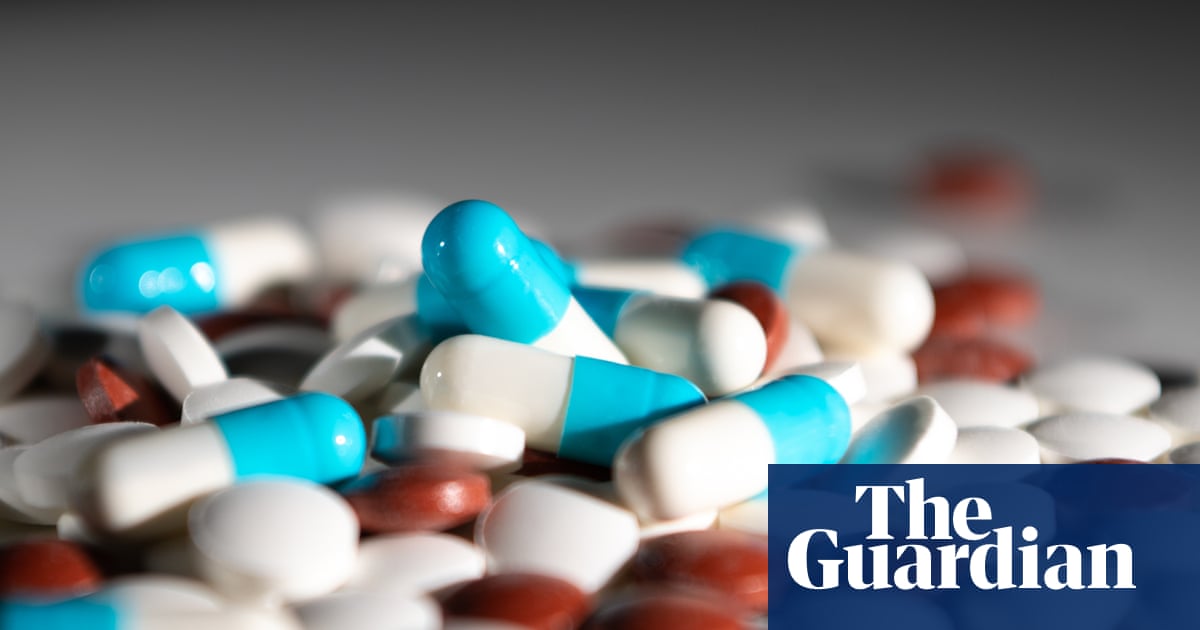
A significant volume of pharmaceutical waste is accumulating across England, with industry estimates suggesting that discarded medicines could fill seventy-five standard swimming pools each year. The National Pharmacy Association, representing thousands of independent community pharmacies, analyzed data from regional health bodies to determine that roughly 3,400 tonnes of partly used medications were disposed of during the 2024-25 fiscal period. This accumulation represents not only a logistical challenge for waste management but also a substantial financial drain on the National Health Service.
The economic impact of this disposal is considerable. The NPA calculated that the problem costs the NHS at least £480 million annually. Olivier Picard, chair of the association, emphasized that these funds could be redirected toward improving patient services if waste were reduced. He noted that once medication leaves a pharmacy, it must be disposed of even if unopened and unused, highlighting the importance of ensuring patients only obtain medicines they are certain to utilize.
Beyond the financial implications, the environmental and health consequences of pharmaceutical waste are gaining attention. Experts warn that improper disposal can contaminate ecosystems, while leftover medications stored in homes pose safety risks. Dr. Rasha Abdelsalam Elshenawy, a senior lecturer at the University of Hertfordshire, pointed out that surplus antibiotics kept by patients are sometimes taken later without medical supervision. This practice fuels antimicrobial resistance, which remains one of the most pressing threats to modern medicine.
The root cause of much of this waste appears to be linked to repeat prescription systems. Patients with multiple ongoing prescriptions often order more medication than they consume, leading to expiration and disposal. The NPA is calling for more frequent reviews of these repeat prescriptions to identify medications that are no longer needed or effective. By ensuring that prescriptions align with current patient needs, pharmacies can help prevent the accumulation of unused drugs.
Public behavior plays a critical role in this issue. Health advocates are urging individuals to avoid over-ordering when managing their medication schedules. Patients are encouraged to speak with pharmacists if they have concerns about their prescriptions, as these professionals can assist in optimizing usage and reducing waste. The goal is to shift the culture from bulk ordering to precise, need-based consumption.
In response to growing concerns, NHS England has implemented measures to help patients manage their prescriptions more effectively. The health service has enhanced its mobile application to allow users to better track and order repeat prescriptions digitally. This technological intervention aims to provide clearer visibility into medication needs, potentially reducing the likelihood of accidental over-ordering or forgotten doses that lead to waste.
Local NHS services are also running campaigns to reduce medicines waste as part of broader efforts to optimize usage. These initiatives coincide with a wider trend showing a decline in the prescription of dependency-forming medications over the last decade. However, officials acknowledge that more work is needed to address the scale of the problem and ensure that resources are used efficiently across the health system.
This issue arises against a backdrop of severe medicine shortages affecting the UK. In June, health leaders warned that Britons were facing some of the most significant supply disruptions on record, impacting common painkillers, epilepsy drugs, and hormone replacement therapies. The contrast between wasted stock and scarce supplies underscores the urgency of improving prescription management to ensure equitable access and resource conservation.
Specific medications such as Estradot, used for menopausal hormone replacement, and Creon, which aids digestion for patients with pancreatic cancer and cystic fibrosis, have been highlighted in reports of long-lasting supply issues. The Royal College of GPs and the NPA have both drawn attention to these shortages, emphasizing the need for a balanced approach that minimizes waste while maintaining reliable access to essential treatments.
Moving forward, the focus remains on collaborative efforts between patients, pharmacists, and health authorities. Regular medication reviews, responsible ordering practices, and improved digital management tools are seen as key strategies to tackle this growing problem. By addressing both the financial and environmental costs of pharmaceutical waste, the NHS aims to create a more sustainable and efficient healthcare system for all users.
Sources behind this briefing
Go to the original reporting
- The Guardian World↗Wasted medicine in England could fill 75 swimming pools a year, pharmacy group says

