The short version
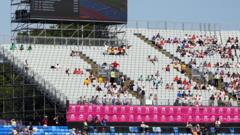
- Visible empty seats at Birmingham's Alexander Stadium sparked debate over pricing strategies for the historic championships.
- Organizers maintain that ticket sales have surpassed expectations, particularly for weekend evening sessions.
- Fans and officials cite high costs for tickets and concessions as barriers to broader public engagement.
The European Athletics Championships in Birmingham opened with a notable absence of spectators in key sections of the Alexander Stadium, drawing immediate scrutiny regarding accessibility and value. On Monday evening, when British sprinter Amy Hunt claimed victory in the women's 100-meter final, approximately 10,000 seats remained vacant. The attendance figure of 13,623 represented roughly 59 percent of the venue's 23,000 capacity, a statistic that stood in stark contrast to the celebratory atmosphere on the track.
Organizers for Birmingham 2026 have pushed back against the visual narrative of an empty stadium. Officials stated they were pleased with commercial performance, noting that ticket sales had significantly exceeded their initial projections. They highlighted that Friday, Saturday, and Sunday evening sessions are nearing sell-out status, with several other time slots approaching full capacity. This discrepancy between weekday mid-week attendance and weekend demand suggests a fluctuating pattern of interest rather than a uniform lack of support for the event.
Central to the controversy is the pricing structure for spectators. Category A tickets for prime viewing areas along the home straight cost £150 on Monday, with no discounted rates available for junior attendees. For comparison, similar seats for the men's 100-meter final in Rome two years prior were priced at 88 euros, approximately £75. The current pricing model has led some attendees to describe the costs as excessive, particularly given that there are no concessions for younger fans who might otherwise be inspired to take up the sport.
Attendees expressed frustration not only with entry fees but also with the cost of amenities inside the venue. British Olympian Sharron Davies took to social media to highlight the high prices of official food vendors, noting that pork rolls were sold for £18.50 and hot dogs for £15. These figures have fueled broader concerns that the event is pricing out casual fans and families, potentially undermining the goal of promoting grassroots participation in athletics.
Logistical challenges further complicated the experience for those who did attend. Fans traveling from outside Birmingham reported difficulties with transport infrastructure. The nearest train station requires a mile-long walk to reach the stadium, necessitating shuttle bus services from the city center. For drivers, parking was scarce, with some finding spaces only two miles away. These friction points added to the overall cost and effort required to attend, contributing to the perception that the event is not easily accessible.
Some observers pointed to external factors that may have dampened attendance. The recent Commonwealth Games, also held in the United Kingdom within the same fortnight, likely split the potential audience. Fans who had already traveled for or invested in the Commonwealth Games may have chosen not to duplicate their efforts for the European Championships. Additionally, BBC commentator Steve Cram noted that while the stadium was not full, he expected Birmingham to adjust and improve attendance figures as the competition progressed.
Despite the criticism, there is a sense of optimism among some stakeholders regarding the long-term impact. Jenny Meadows, co-coach of Keely Hodgkinson, acknowledged the empty seats but expressed belief that final evening sessions would fill up. Culture Secretary Lisa Nandy also indicated expectations for increased attendance as the championships continued. The argument here is that initial weekday figures may not reflect the peak interest levels seen during marquee events later in the week.
The debate over affordability extends beyond this single event, touching on broader trends in sports spectatorship. Fans like Adam Hilton, who traveled from Manchester, questioned whether the high costs represent a systemic issue where enthusiasts are being priced out of major sporting occasions. The concern is that if such events remain exclusive to those with higher disposable income, they fail to inspire the next generation of athletes and fans, particularly in regions outside London.
As the championships move into their second week, attention will shift to whether weekend sessions deliver the sell-out crowds organizers predict. The contrast between the empty stands on Monday and the anticipated full houses on Saturday and Sunday will remain a focal point for critics and supporters alike. The outcome may influence how future international sporting events are priced and marketed in the United Kingdom.
Ultimately, the first European Athletics Championships hosted by Britain face a test of public engagement. While commercial metrics suggest success, the visible gaps in the stadium raise questions about inclusivity and value. Balancing profitability with accessibility will be crucial for maintaining public support and ensuring that the sport remains vibrant and reachable for all demographics.
Sources behind this briefing
Go to the original reporting
- BBC News↗Criticism as thousands of seats empty at Europeans Athletics Championships

