The short version
- Elke Sommer died at age 85 in Los Angeles due to heart failure, according to reports from Bild magazine.
- Her career included notable roles in Hollywood productions alongside major stars such as Paul Newman and Peter Sellers.
- After reducing her acting workload, she focused on painting and engaged in a significant legal battle with Zsa Zsa Gabor.
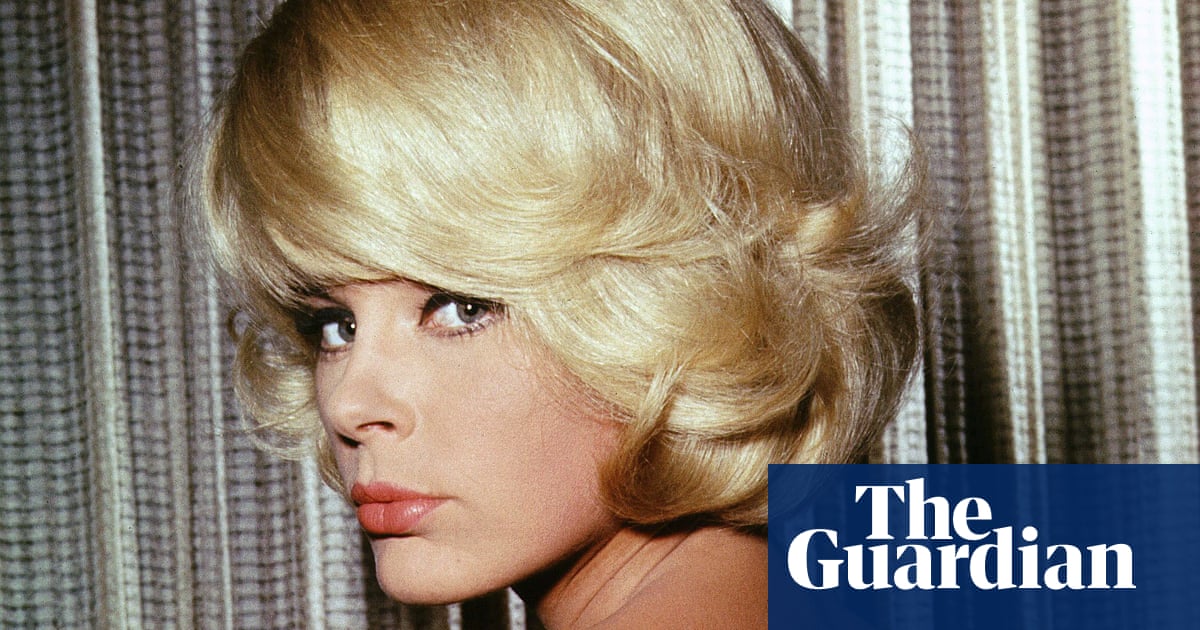
Elke Sommer, the German actress who became an international star during the mid-20th century, has died at the age of 85. Reports indicate that she passed away in Los Angeles from heart failure. Her death marks the end of a career that bridged European cinema and Hollywood stardom, characterized by her fluency in multiple languages and a distinctive screen presence that captivated audiences across continents.
Born Elke Schletz in Berlin in 1940 to a Protestant pastor, Sommer’s early life was shaped by the turmoil of World War II. Her family evacuated to Bavaria during the conflict, an experience that preceded her entry into the entertainment industry. Initially intending to work as an interpreter, she found herself on a different path after winning a beauty contest in Italy in 1958. This victory caught the attention of renowned Italian director Vittorio de Sica, who offered her roles in several comedy films, launching her professional journey.
Sommer’s transition to English-language cinema was facilitated by her linguistic abilities. She made her debut in an English film with the 1961 British comedy Don’t Bother to Knock, starring opposite Richard Todd. Her talent and charisma quickly garnered attention, leading to a billing as one of the most exciting women in global cinema alongside contemporaries like Melina Mercouri and Jeanne Moreau. Her breakthrough in Hollywood came with the 1963 film The Prize, where she played the lover of Paul Newman’s character. This role earned her a Golden Globe for most promising newcomer, solidifying her status in the American film industry.
The actor’s career accelerated with her appearance in A Shot in the Dark, a sequel to The Pink Panther franchise. In this film, she embraced a glamorous image as a maid suspected of murder, working alongside Peter Sellers. This success opened doors to other high-profile projects, including The Art of Love with James Garner and Dick Van Dyke, and The Oscar with Stephen Boyd. She also starred in Boy, Did I Get a Wrong Number!, a comedy featuring Bob Hope. By 1968, she had achieved leading actor status with The Wicked Dreams of Paula Schultz, a film about an East German athlete who escapes over the Berlin Wall.
During the 1970s, Sommer diversified her portfolio by appearing in cult horror films directed by Mario Bava, such as Baron Blood and Lisa and the Devil. She also worked with British director Ralph Thomas on sex comedies Percy and Percy’s Progress. Her versatility was further demonstrated in two significant British productions: a 1974 adaptation of Agatha Christie’s And Then There Were None, where she played secretary Vera Clyde, and the 1975 comedy Carry On Behind. These roles showcased her ability to navigate different genres and maintain relevance in changing cinematic landscapes.
As her acting career progressed, Sommer began to scale back her screen appearances. She continued to work on notable projects, including The Prisoner of Zenda with Peter Sellers and A Nightingale Sang in Berkeley Square. However, she increasingly turned her attention to painting, a passion that became a central focus of her later years. This shift reflected a broader desire to explore creative outlets beyond the demands of Hollywood and international film sets.
Sommer’s personal life included two marriages. She was married to writer Joe Hyams from 1964 until their divorce in 1981. Later, she wed hotelier Wolf Walther in 1993; he survived her by a short period, passing away in 2026. Her public profile was also marked by a contentious feud with actress Zsa Zsa Gabor. The dispute began after they appeared together on the television show Circus of the Stars and escalated into a long-running legal battle. Sommer was ultimately awarded $3.3 million in damages for defamation, a significant resolution to the conflict.
Her legacy remains that of a versatile performer who successfully navigated the transition from European cinema to Hollywood stardom. Sommer’s ability to master languages and adapt to various roles allowed her to work with some of the most prominent figures in film history. From her early days in Italian comedies to her later focus on art, her life reflected a continuous pursuit of creative expression. Her contributions to cinema and her personal resilience in the face of public scrutiny leave a lasting impact on the cultural landscape of the 20th century.
Sources behind this briefing
Go to the original reporting
- The Guardian World↗Elke Sommer, prolific German star of A Shot in the Dark and And Then There Were None, dies aged 85