The short version
- Delayed unofficial results in close races are standard procedure and not indicative of fraud, according to election technology experts.
- Political figures and social media users have historically spread falsehoods regarding late-arriving ballots, a trend expected to continue.
- Democrats in Congress and state election officials are preparing for potential federal interference and claims of irregularities.
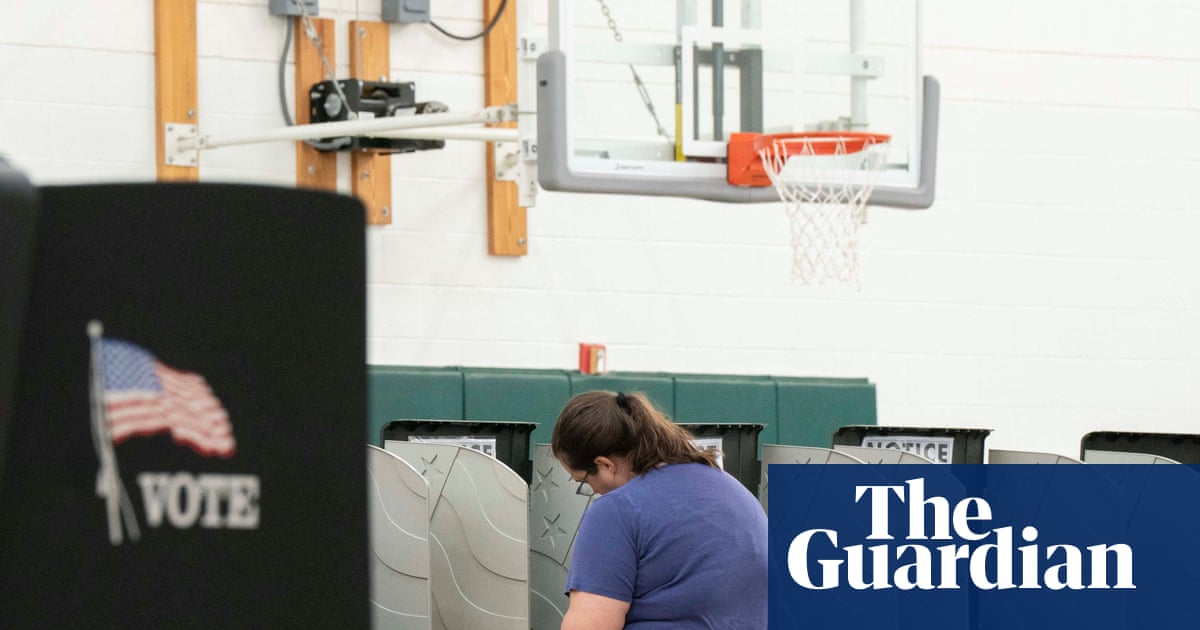
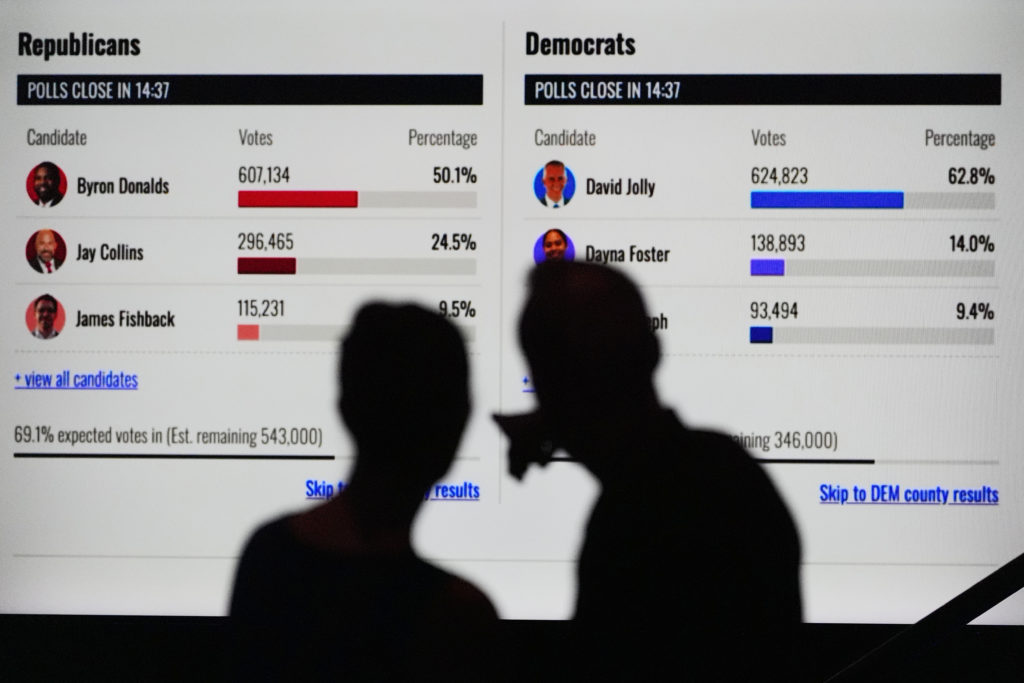
As the United States approaches the 2026 midterm elections, election experts and political analysts are urging voters to expect delays in unofficial results, particularly in competitive Senate and House races. Ryan Macias, an election technology and cybersecurity expert, clarified that variations in counting speed across states do not signal fraud but rather reflect differences in state laws and the volume of ballots processed. He noted that media outlets often project winners based on sufficient evidence, which can take time to accumulate in tight contests.
Historical data supports the expectation of prolonged counting periods. Joe Lenski, executive vice president of SSRS, pointed out that close races may not be determined for several days or even weeks, citing Alaska and California as examples where final tallies have taken up to two weeks. In 2018, three statewide races in Florida required recounts to settle outcomes. Similarly, in 2020, candidates who led early in the count did not always secure victory, illustrating that initial projections are not definitive.
Despite these normal procedures, misinformation remains a significant concern. Past elections have seen elected leaders and social media users spread falsehoods claiming that late-night arrivals of ballots, often referred to as 'ballot dumps,' are evidence of fraud. Some narratives falsely assert that only Democratic-led cities take days to count votes. Experts warn that such claims are likely to resurface, potentially undermining public confidence in the electoral process.
In response to these threats, Democrats in Congress are actively preparing for potential election fraud claims. Meanwhile, state election officials are bracing for federal interference but remain confident in their ability to persevere. Stateline reports that officials expect challenges but are committed to upholding the integrity of the vote. This preparation includes reinforcing cybersecurity measures and ensuring transparent communication with the public.
Voters are also encouraged to play a role in smoothing the election process. Those voting by mail are advised not to wait until the last minute to submit their ballots. Many election offices provide secure drop boxes to expedite the return of mailed votes, while the U.S. Postal Service recommends mailing ballots at least one week before the deadline. These steps help ensure that all valid votes are counted accurately and efficiently.
The competitive nature of several key Senate races adds to the complexity of the counting process. Polls indicate tight contests in states such as Michigan, Maine, Iowa, Alaska, Kansas, and Texas. If early counts are close, media outlets may need to wait for officials to process more ballots before projecting winners. This delay is a function of accuracy rather than inefficiency, ensuring that every vote is accounted for.
No state is required to complete its official count on election night. State laws set specific deadlines for certifying final results, which often occur weeks after the polls close. This legal framework allows for thorough verification and resolution of any discrepancies. As such, the absence of immediate results should not be interpreted as a sign of irregularity but as part of the established democratic process.
The upcoming midterms highlight the ongoing tension between efficient election administration and the spread of misinformation. While experts emphasize that delays are normal, the potential for political actors to exploit these timelines for disruptive purposes remains high. Preparing for this scenario involves both institutional safeguards and public education to maintain trust in the electoral system.
Ultimately, the 2026 midterms will test the resilience of American election infrastructure against both logistical challenges and coordinated disinformation campaigns. By understanding the normalcy of delayed results and recognizing the tactics used to spread falsehoods, voters can better navigate the post-election period with confidence in the integrity of the process.
Sources behind this briefing
Go to the original reporting
- PBS NewsHour↗When will we know 2026 midterm election results? It may take some time, but that's normal
- PBS↗5 expert takeaways on 2026 midterm election security
- Time Magazine↗How Trump Could Interfere With the Midterms on Election Day, and the Days After
- NPR↗Here's how Democrats in Congress are preparing for election fraud claims