The short version
- An 84-year-old woman was rescued alive from the rubble of her home three days after a powerful earthquake struck Flores island in eastern Indonesia.
- The 7.7-magnitude seismic event has killed at least 73 people, injured over 900, and displaced nearly 60,000 residents across the region.
- Relief operations are hampered by damaged infrastructure and mountainous terrain, while frequent aftershocks continue to prevent many displaced families from returning to their homes.
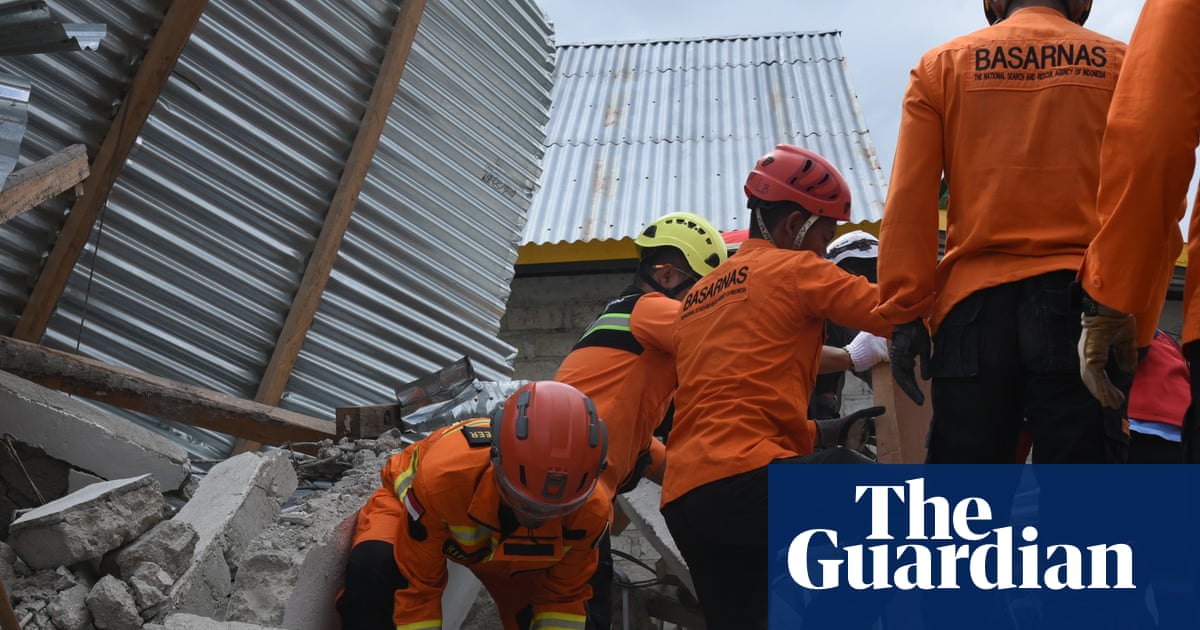
Authorities in eastern Indonesia have confirmed the rescue of an 84-year-old woman who survived three days trapped beneath the collapsed remains of her home following a major earthquake. Paulina Pobi was discovered on Tuesday in Nitunglea village, having been buried under bamboo walls since the initial tremor struck on Saturday morning. Her survival is being described by local officials as exceptional given the duration of entrapment and the severity of the structural damage surrounding her.
The seismic event that triggered this crisis was a 7.7-magnitude earthquake located off the coast of Flores island. The disaster has resulted in significant loss of life and displacement, with official counts indicating at least 73 fatalities and more than 900 injuries. Nearly 60,000 people have been forced to leave their homes as buildings crumbled and landslides altered the landscape. The immediate aftermath saw widespread destruction, particularly in rural areas where construction materials were less resilient to such intense shaking.
Access to Nitunglea village was initially blocked by a landslide triggered by the quake, delaying rescue efforts for several days. Local police official Bambang Supeno stated that Pobi has been safely evacuated and transported to the nearest health center for evaluation. Another local official, Rudolfus Riba, noted that Pobi’s paralysis prevented her from moving or calling out, which contributed to the delay in her discovery. Despite being trapped without food or water for days, she was found with no serious injuries, though she exhibited signs of weakness due to dehydration and starvation.
The broader response to the disaster has been complicated by the region’s challenging geography. Indonesia’s disaster mitigation agency reported that 398 tons of aid, including food supplies, tents, and refugee shelters, have been delivered to affected communities. However, the distribution process remains slow due to Flores’ mountainous terrain and roads damaged by the shallow earthquake. To overcome these logistical barriers, the government has expanded the use of military aircraft, ships, and personnel to reach remote areas that are inaccessible by ground transport.
Seismic activity continues to pose a significant threat to recovery efforts. Indonesia’s geological agency recorded more than 3,000 aftershocks since Saturday, with at least 86 strong enough to be felt by residents. These ongoing tremors have created an atmosphere of fear among displaced communities, many of whom are reluctant to return to damaged structures even if they appear stable. The psychological impact of the disaster is becoming a focal point for authorities, who recognize that trauma extends beyond physical injuries.
Regional police chief inspector general Rudi Darmoko emphasized the need to address the mental health needs of survivors, particularly children. He noted that refugees are suffering from both physical wounds and psychological distress resulting from the sudden loss of home and security. This dual burden complicates long-term recovery plans, as emergency services must balance immediate medical care with ongoing support for emotional well-being in temporary shelters.
While some commercial activity is resuming, with grocery stores and petrol stations beginning to reopen on the island, debris still covers many streets. Search teams continue to dig through rubble in hopes of finding other potential victims, though the passage of time reduces the likelihood of further survivals. The contrast between the reopening of essential services and the ongoing search operations underscores the uneven pace of recovery across different parts of the affected region.
Indonesia’s vulnerability to such disasters is rooted in its geographic position on the Pacific Ring of Fire, a zone characterized by intense seismic and volcanic activity stretching from Japan through Southeast Asia. The country has experienced numerous significant earthquakes in recent decades, including the devastating 9.1-magnitude quake off Sumatra in 2004, which triggered a tsunami that killed approximately 220,000 people across the region. This historical context highlights the persistent risks faced by communities in this seismically active zone and the importance of preparedness measures.
As aid distribution continues and search operations persist, the focus remains on supporting the displaced population and mitigating further harm from aftershocks. The rescue of Paulina Pobi serves as a poignant reminder of individual resilience amidst widespread devastation. However, the broader challenge lies in coordinating effective relief efforts across difficult terrain while addressing the complex physical and psychological needs of tens of thousands of affected residents.
Future steps will likely involve sustained international and domestic support to rebuild infrastructure and provide long-term assistance to survivors. The government’s deployment of military resources indicates a recognition of the scale of the logistical challenges involved. Monitoring seismic activity and ensuring safe conditions for returnees will be critical components of the recovery strategy in the coming weeks and months.
Sources behind this briefing
Go to the original reporting
- The Guardian US↗‘Like a miracle’: 84-year-old woman pulled alive from rubble three days after Indonesian quake

