The short version
- Pensions for Gurkhas who retired before 1997 are based on lower Nepalese cost-of-living standards rather than UK expenses.
- Widows in towns like Reading report relying on friends and minimal benefits to cover rent, food, and utilities.
- Local politicians and the Ministry of Defence maintain a commitment to veteran welfare while acknowledging ongoing disparities.
A growing number of elderly Gurkha veterans and their widows are reporting severe financial strain as they attempt to manage daily life in the United Kingdom. These individuals, many of whom served alongside British forces in Southeast Asia during the mid-20th century, find that their retirement income is significantly lower than that of their British Army counterparts. The core issue stems from pension calculations that rely on living cost estimates from Nepal rather than the actual expenses incurred in UK towns where thousands of Gurkhas have settled.
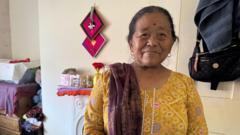
Indumati Thapa, an 87-year-old widow living in Reading, illustrates the personal impact of this disparity. Her husband, a former soldier who fought in Malaya and Borneo during the 1950s and 1960s, passed away in 2020. Although he left her a pension, Thapa states that the amount is inadequate to cover basic necessities such as rent, bills, and food. She supplements this income with approximately £100 per week in benefits and relies heavily on the generosity of friends to maintain her standard of living.
Thapa resides in a small two-bedroom flat in central Reading alongside her friend Devisara Rana. Both women are part of a broader community of widowed Gurkha families who feel they have been neglected by the state. Through a translator, Thapa expressed a sense of being let down by the government, noting that a larger pension would substantially improve her financial situation and overall quality of life. The sentiment reflects a wider dissatisfaction among veterans who believe their service has not been adequately compensated in their later years.
The geographic mismatch between pension valuation and actual residence creates a persistent gap in support. While the pensions are designed around Nepalese economic conditions, recipients live in areas like Reading where housing and utility costs are considerably higher. This discrepancy forces many elderly veterans and their families to navigate a modern British society with limited resources, often depending on younger relatives who can help them manage administrative tasks and access services.
Devisara Rana, another widow living with Thapa, has recently lost both her husband and son. Despite having few material possessions, she expresses a deep desire to return to Nepal for the remainder of her life. However, financial constraints prevent her from affording the trip home. Her wish to spend her final days with family in her homeland highlights the emotional toll of economic hardship, which extends beyond mere survival to include personal fulfillment and closure.
Political representatives have acknowledged the urgency of the situation. Matt Rodda, the Labour MP for Central Reading, has been actively pressing both previous Conservative and current Labour administrations to improve pension rights for older Gurkhas. He emphasizes the moral obligation of the country to show gratitude and support for those who served with distinction over decades. Rodda is also working to ensure that these veterans and their families receive all available assistance to mitigate their financial difficulties.
The Ministry of Defence maintains that it holds the service of Gurkhas in high regard and remains committed to supporting their welfare. Officials state they will continue collaborating with partners in both Nepal and the UK to provide necessary support and recognition. However, many veterans and their advocates argue that verbal commitments are insufficient without tangible increases in pension amounts that reflect the true cost of living in Britain.
Time is a critical factor for this demographic, as many of those who served in the 1950s and 1960s are now advanced in age. The inability to read or write English further isolates some veterans, making them dependent on others to advocate for their needs. As the population of elderly Gurkha veterans shrinks, the pressure to resolve these pension inequities intensifies, with calls for immediate action to prevent further hardship among those who have already endured significant sacrifice.
The situation remains unresolved as veterans continue to face daily financial challenges. While the government asserts its dedication to veteran welfare, the lived experiences of widows like Thapa and Rana suggest a disconnect between policy and reality. The ongoing struggle underscores the need for a comprehensive review of pension structures to ensure they provide adequate support for Gurkha families residing in the UK.
Sources behind this briefing
Go to the original reporting
- BBC Business↗The Gurkha families fighting for their pensions