The short version
- Abdul El-Sayed becomes the first Muslim American U.S. senator following his victory in Michigan.
- His use of Arabic phrases like 'habibi' drew widespread celebration from Arab communities globally.
- The win marks a significant counter-narrative to years of Islamophobic rhetoric and political attacks.
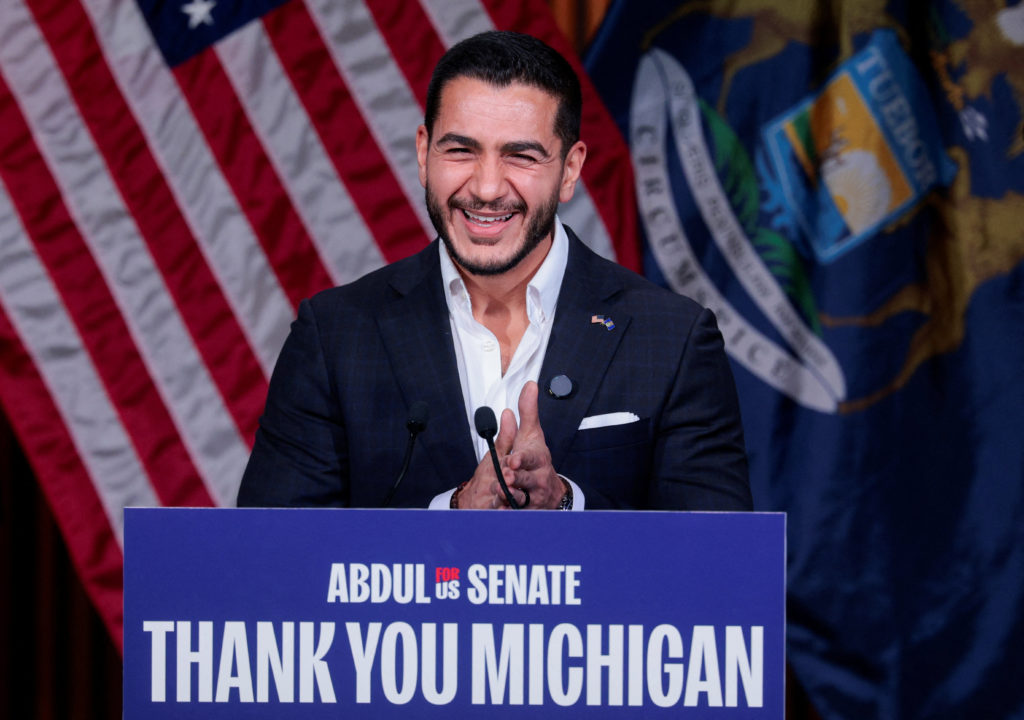
Abdul El-Sayed has secured a historic victory in the Michigan Senate race, becoming the first Muslim American to serve in the United States Senate. His election represents a notable shift in the political landscape, particularly given the intense scrutiny and hostility he faced during the campaign. Rather than adopting a defensive posture, El-Sayed chose to lean into his Egyptian heritage and faith, using his victory speech to reframe the narrative surrounding his identity.
In a moment that resonated far beyond Detroit, El-Sayed addressed Vice President JD Vance directly, employing the Arabic term 'habibi,' which translates roughly to 'my beloved' or 'buddy.' This linguistic choice was not merely decorative; it served as a pointed rebuttal to Vance’s earlier warnings that El-Sayed would incite violence in Detroit. By invoking this common term of affection found throughout Arab pop culture and daily speech, El-Sayed highlighted the absurdity of the fears projected onto him by his political opponents.
The reaction to this rhetorical strategy has been overwhelmingly positive among Arab communities both in the United States and across the Middle East. Social media platforms filled with clips of music videos featuring the word 'habibi,' as well as memes referencing Egyptian cinema. This outpouring of joy stands in stark contrast to the region’s recent history of conflict and trauma, offering a rare moment of collective celebration. For many, El-Sayed’s success feels like a validation of their cultural presence in American public life.
El-Sayed also noted a shift in his own campaign messaging, moving from 'inshallah,' or 'God willing,' to 'hamdulillah,' meaning 'thank God.' This linguistic pivot underscores the transition from hopeful anticipation to realized achievement. His supporters have embraced this terminology, with some wearing shirts that read 'Habibi for Abdul.' The adoption of these phrases into the political lexicon signals a broader acceptance of diverse cultural expressions in high-stakes electoral politics.
The path to this victory was fraught with challenges, including persistent Islamophobic rhetoric from prominent political figures. During the campaign, President Donald Trump referred to El-Sayed as a 'jihadist' and deliberately misstated his name, invoking associations with the September 11 attacks. These attacks were part of a long-standing pattern of prejudice against Arab and Muslim Americans, who have often been depicted in popular media as terrorists or subjects of baseless fears regarding Islamic law.
Despite these efforts to marginalize him, El-Sayed’s campaign successfully turned the tables by mocking his critics rather than engaging with their premises on their own terms. His gentle ribbing of Vance and Trump was met with approval from voters who were tired of negative campaigning. The use of humor and cultural pride helped to humanize El-Sayed in the eyes of undecided voters while energizing his base. This approach demonstrated that authenticity could be a powerful political tool.
The significance of this win extends beyond individual achievement; it challenges decades of stereotyping and exclusion. Arab and Muslim Americans have faced systemic barriers and prejudice, often forced to navigate a political environment that views their identities with suspicion. El-Sayed’s success suggests that these narratives are losing their potency. His ability to connect with voters through shared values and cultural pride indicates a changing electorate that is more open to diverse leadership.
Looking ahead, El-Sayed’s tenure in the Senate will be closely watched for signs of how this new dynamic plays out in legislative matters. While his victory speech focused on celebration and reconciliation, the practical implications of his presence in Washington remain to be seen. The joy expressed by Arab communities worldwide reflects a deep desire for representation and respect. As El-Sayed prepares to take office in January, he carries with him the hopes of a community long denied a voice in the highest levels of government.
The use of 'habibi' in such a prominent political context is likely to have lasting effects on how language and identity are discussed in American politics. It demonstrates that cultural specificity can be a source of strength rather than division. For El-Sayed, this victory is not just a personal triumph but a symbolic milestone for millions of Americans who share his background. The coming months will reveal whether this moment marks the beginning of a broader transformation in how diversity is perceived and valued in the nation’s capital.
Sources behind this briefing
Go to the original reporting
- PBS NewsHour↗'JD, habibi.' Arabs celebrate El-Sayed's use of a term of affection in his victory speech


